If you’re working on a tiling project, cutting Hardibacker board can feel tricky at first. But don’t worry—once you know the right tools and techniques, you’ll be able to cut through it cleanly and easily.
In this guide, you’ll discover simple steps that save you time and prevent costly mistakes. By the end, you’ll have the confidence to handle your Hardibacker cuts like a pro, making your project smoother and more successful. Keep reading to learn exactly how to get it done right.
Tools For Cutting Hardibacker
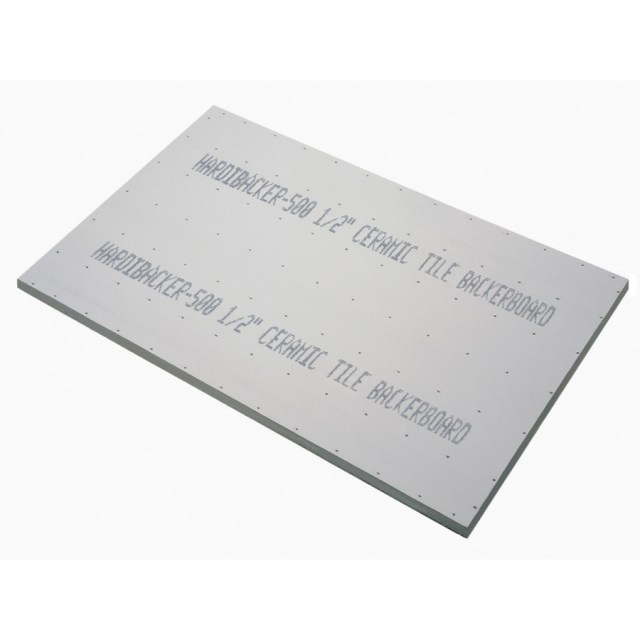
Hardibacker board is a tough material used for tiling and construction. Cutting it correctly needs the right tools.
This guide explains the tools to use for clean and safe cuts on Hardibacker board.
Choosing The Right Saw
A good saw makes cutting Hardibacker easier and neater. You need a saw that can handle cement board.
Common saw types for Hardibacker are circular saws and score-and-snap tools.
- Circular Saw:Use with a diamond blade or carbide-grit blade. It cuts fast and straight.
- Score-and-Snap Tool:Score the board with a utility knife, then snap it along the line.
- Jigsaw:Useful for curves but slower and less clean than a circular saw.
Essential Safety Gear
Cutting Hardibacker creates dust and debris. Protect yourself with safety gear.
- Dust Mask or Respirator:Prevents inhaling harmful dust particles.
- Safety Glasses:Protect your eyes from flying chips and dust.
- Gloves:Protect your hands from sharp edges and tools.
- Hearing Protection:Use earplugs or earmuffs if using power saws.
Additional Helpful Tools
Some extra tools make cutting Hardibacker smoother and more accurate.
- Measuring Tape and Pencil:Mark precise cut lines before cutting.
- Straightedge or T-square:Help draw straight lines for cutting.
- Clamps:Secure the board to your work surface for safety and accuracy.
- Work Table or Sawhorses:Provide a stable surface to cut on.
Preparing Hardibacker For Cutting
Cutting Hardibacker board requires careful preparation. Proper measuring and securing help achieve clean cuts.
Taking time to prepare the board makes the cutting process safer and easier.
Measuring And Marking
Measure the Hardibacker board with a tape measure. Mark the cut lines clearly using a pencil or chalk. Use a straight edge for precise lines.
- Measure twice to avoid mistakes
- Mark the cut line on the smooth side
- Use a carpenter’s square for right angles
- Check measurements before cutting
Securing The Board
Keep the Hardibacker board steady during cutting. Use clamps to hold it in place on a stable work surface.
| Tool | Purpose |
| Clamps | Hold board steady |
| Work table | Provide flat cutting surface |
| Support blocks | Prevent board bending |
Cutting Techniques
Cutting Hardibacker board correctly makes your project easier. Use the right tools and ways to cut the board cleanly.
This guide shows simple cutting techniques for Hardibacker board. You will learn how to make straight cuts, curved cuts, and use the scoring and snap method.
Straight Cuts
Straight cuts on Hardibacker board need careful measuring and a sharp blade. Mark your cut line clearly before cutting.
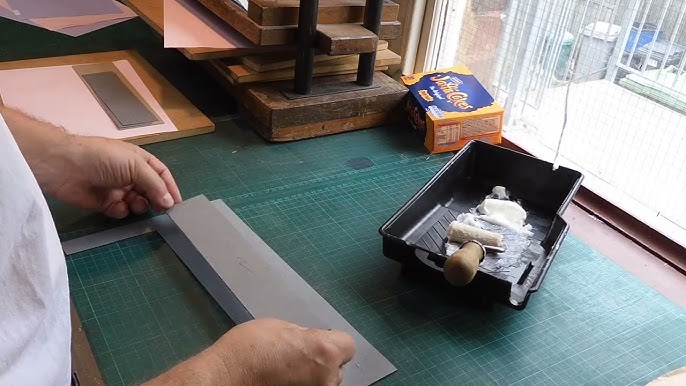
Use a straight edge like a metal ruler to guide your cut. Score the board deeply with a utility knife. Repeat the scoring line a few times to cut through the board.
- Measure and mark your cut line.
- Place a straight edge along the line.
- Score the board with a sharp utility knife.
- Make several passes to deepen the cut.
- Snap the board along the score line.
Curved Cuts
Curved cuts are harder than straight cuts. Use a jigsaw with a carbide blade to cut curves smoothly.
Draw your curved line clearly on the board. Cut slowly to avoid chipping. Support the board well to keep it steady.
- Draw the curve on the board.
- Use a jigsaw with a carbide blade.
- Cut slowly along the curve.
- Keep the board steady and supported.
- Sand edges if needed for smoothness.
Scoring And Snap Method
This method works well for straight cuts and saves time. Score the board with a utility knife and snap it by hand.
Score deeply but do not cut through the board. Place the board edge on a firm surface. Apply downward pressure to snap it cleanly.
- Mark your cut line clearly.
- Score the board multiple times with a sharp knife.
- Place the board edge on a table or bench.
- Hold one side and press down to snap the board.
- Use sandpaper to smooth rough edges.

Credit: www.tilemountain.co.uk
Managing Dust And Debris
Cutting Hardibacker board creates a lot of dust and small debris. Managing this dust keeps your workspace clean and safe.
Proper dust control protects your lungs and reduces mess. Use the right tools and methods to handle dust well.
Dust Control Tips
Use a mask rated for dust particles before cutting Hardibacker board. This protects your lungs from harmful dust.
- Cut outside or in a well-ventilated area to avoid dust buildup.
- Use a dust collection system or vacuum attached to your saw.
- Wet the board slightly before cutting to reduce airborne dust.
- Wear safety glasses to protect your eyes from flying debris.
Cleanup Best Practices
Clean dust and debris right after cutting to prevent spreading. Use these steps for effective cleanup.
| Cleanup Task | Recommended Method |
|---|---|
| Sweeping | Use a damp mop or wet cloth to avoid dust rising |
| Vacuuming | Use a vacuum with a HEPA filter for fine dust |
| Disposal | Seal dust and debris in a plastic bag before discarding |
| Protective Gear | Wear a dust mask and gloves during cleanup |
Common Mistakes To Avoid
Cutting Hardibacker board needs care and the right tools. Many people make simple errors that cause damage or injury.
Knowing which mistakes to avoid helps you work safely and get clean cuts every time.
Incorrect Tool Use
Using the wrong tools can break the board or make rough cuts. Hardibacker is tough, so you need tools made for cement boards.
Tools like a carbide-tipped scoring knife or a circular saw with a diamond blade work best. Avoid dull blades or regular saws.
- Do not use a utility knife alone for thick boards
- Avoid wood blades; they wear out quickly
- Use tools designed for cement or tile boards
Poor Measurement
Wrong measurements lead to wasted material and bad fits. Always measure twice before cutting your board.
Mark your cut lines clearly with a pencil. Use a straight edge to guide your cuts for accuracy.
- Double-check all measurements before cutting
- Use a ruler or tape measure for precision
- Mark cuts on the front side for better visibility
Ignoring Safety Precautions
Hardibacker boards create dust that can harm your lungs and eyes. Wear safety gear to protect yourself.
Use a dust mask, safety glasses, and gloves. Work in a well-ventilated area to reduce dust buildup.
- Always wear a dust mask or respirator
- Protect your eyes with safety goggles
- Use gloves to avoid skin irritation
- Cut outdoors or in a ventilated space
Credit: haus2home.com
Finishing Touches
After cutting Hardibacker board, finish the edges for a clean look. Proper finishing ensures better adhesion and durability.
This guide covers smoothing the cut edges and preparing the board for installation.
Smoothing Cut Edges
Rough edges can cause problems during installation. Smooth them using sandpaper or a rasp. This step reduces dust and prevents chipping.
- Use medium-grit sandpaper to smooth sharp edges
- Sand evenly along the cut line to avoid uneven surfaces
- Wear a mask to avoid inhaling dust
- Clean the edges with a damp cloth after sanding
Preparing For Installation
Check the board size and shape before fixing it in place. Make sure the edges are clean and free from debris.
| Preparation Task | Details |
| Check edge smoothness | Edges should feel smooth to touch |
| Clean the surface | Remove dust and dirt with a damp cloth |
| Dry the board | Ensure the board is dry before applying adhesives |
| Fit test | Place the board in position to confirm the cut is correct |
Credit: www.homedepot.com
Frequently Asked Questions
What Tools Are Needed To Cut Hardibacker Board?
To cut Hardibacker board, you need a carbide-tipped scoring knife, a circular saw with a carbide-tipped blade, or an electric jigsaw. A straight edge or T-square will help guide your cuts. Always wear safety goggles and a dust mask to protect yourself from dust and debris.
How Do You Score Hardibacker Board?
To score Hardibacker board, use a carbide-tipped scoring knife. Place a straight edge along the cut line. Drag the knife firmly along the line, scoring the board deeply. Repeat the process until you achieve a clean score. Snap the board along the scored line for a clean cut.
Can You Use A Jigsaw On Hardibacker Board?
Yes, you can use a jigsaw to cut Hardibacker board. Ensure you use a carbide-tipped blade for best results. Mark your cutting line clearly and follow it with the jigsaw. Go slowly to avoid splintering. Use a dust mask to protect yourself from fine dust particles.
Is It Necessary To Wear Safety Gear?
Yes, wearing safety gear is essential when cutting Hardibacker board. Use safety goggles to protect your eyes from debris. Wear a dust mask to avoid inhaling harmful dust. Gloves can protect your hands from sharp edges. Safety should always be your top priority when cutting materials.
Conclusion
Cutting Hardibacker board is simple with the right tools and care. Score the board clearly before snapping it to avoid rough edges. Use a straightedge to guide your cuts for accuracy. Take your time and wear safety gear to protect yourself.
Practice on a scrap piece to build confidence. Following these steps helps you get clean, precise cuts every time. Keep your workspace tidy and tools sharp for best results. You can complete your project smoothly and efficiently with these tips.