Are you ready to tackle your next tiling project but unsure how to cut backer board without making a mess? Cutting backer board might seem tricky at first, but with the right tools and simple steps, you can do it quickly and cleanly.
Imagine saving time, avoiding costly mistakes, and getting that perfect fit every time. In this guide, you’ll discover easy techniques that make cutting backer board straightforward—even if you’ve never done it before. Keep reading, and you’ll gain the confidence to handle your project like a pro.
Credit: www.simplydesigning.net
Choosing The Right Backer Board
Backer boards are important for tile and stone projects. Picking the right one makes cutting and installation easier. This guide helps you understand your options.
Knowing the types of backer boards and the tools needed for cutting helps you work safely and get good results.
Types Of Backer Boards
There are several types of backer boards. Each has different features and uses. Choose based on your project needs and cutting ease.
- Cement Board:Very strong and water-resistant. Good for wet areas like bathrooms. It is heavy and needs a special saw blade.
- Fiber Cement Board:Lighter than cement board but still durable. It cuts easier and handles moisture well.
- Foam Backer Board:Made from foam with a waterproof surface. Easy to cut with standard tools and light to handle.
- Glass Mat Board:Uses fiberglass mats for strength. It is water-resistant and cuts with a utility knife or saw.
Tools Needed For Cutting
Cutting backer boards requires the right tools. Different boards need different blades or knives. Using the correct tool makes the cut clean and safe.
| Backer Board Type | Recommended Cutting Tools | Notes |
|---|---|---|
| Cement Board | Carbide-tipped scoring knife, circular saw with diamond blade | Wear mask for dust; slow cutting |
| Fiber Cement Board | Carbide blade saw, scoring knife | Less dust than cement board |
| Foam Backer Board | Utility knife, handsaw | Cut easily with basic tools |
| Glass Mat Board | Utility knife, fine-tooth saw | Score and snap or saw gently |
Preparing The Workspace
Cutting backer board requires a clean and safe workspace. Preparing the area helps you work faster and avoid accidents.
Start by organizing tools and clearing space. Safety comes first to protect yourself and others nearby.
Clearing The Area
Remove all obstacles from your workspace. Make sure the floor is clear to avoid tripping or slipping.
- Move furniture and other items away from the cutting area
- Ensure good lighting to see your measurements clearly
- Keep your tools within easy reach but not cluttered
- Ventilate the room well to reduce dust buildup
Safety Precautions
Wear the right gear to protect yourself from dust and sharp edges. Follow safety rules to prevent injuries.
| Safety Gear | Purpose |
| Safety Glasses | Protect eyes from dust and debris |
| Dust Mask | Prevent inhaling harmful dust particles |
| Work Gloves | Shield hands from cuts and splinters |
| Long Sleeves | Protect skin from irritation |
Measuring And Marking
Cutting backer board needs careful measuring and marking. This helps get clean, straight cuts every time.
Taking your time with these steps makes your project easier and more accurate.
Accurate Measurement Techniques
Use a tape measure to get exact dimensions. Measure twice to avoid mistakes before cutting.
Keep the tape straight and flat on the board. This stops errors from bending or twisting.
- Start from one edge of the backer board
- Read the tape at eye level for accuracy
- Mark the measurement points clearly
- Double-check distances before marking
Marking Guidelines
Use a pencil to mark cutting lines on the backer board. Light marks help keep lines visible without showing after cuts.
Draw straight lines with a ruler or straightedge. Avoid freehand lines to keep cuts clean and precise.
- Mark all corners and edges clearly
- Label pieces if cutting multiple parts
- Use a square tool for right angles
- Check marks before cutting to confirm placement
Cutting Techniques
Cutting backer board correctly is important for a clean and precise fit. Different tools and techniques work best depending on the project and material.
Below are some common cutting techniques for backer board. Each method has its own benefits and uses.
Scoring And Snap Method
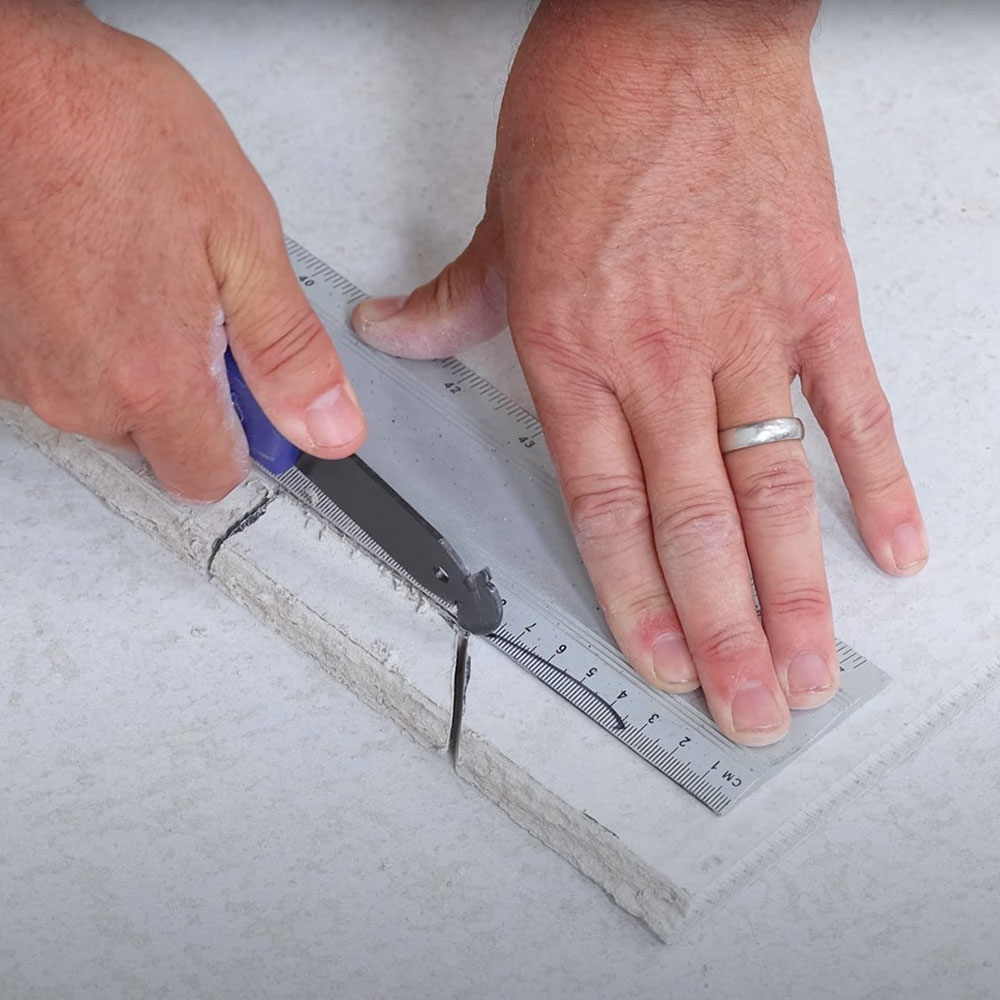
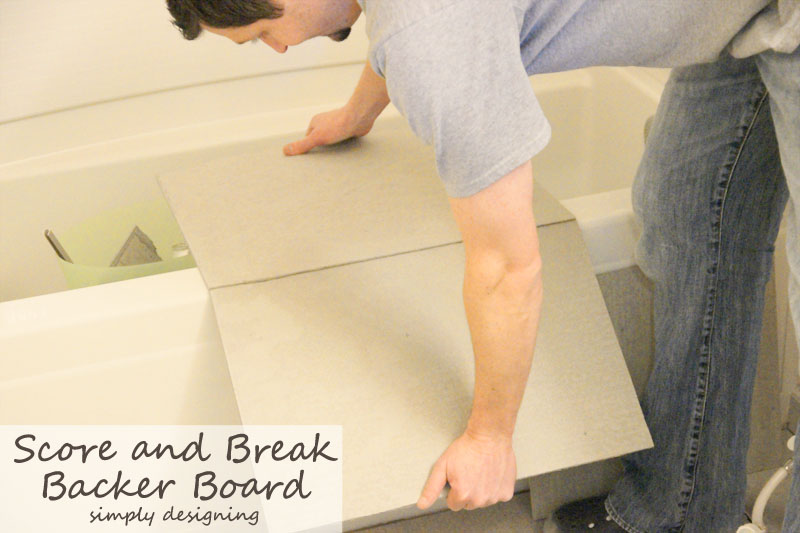
This method works well for thin cement backer boards. It involves scoring the surface and then snapping the board along the line.
Use a straight edge and utility knife to score deeply. Then apply pressure to snap the board cleanly.
- Score the front side of the board with a sharp blade
- Snap the board by pressing it down or bending it over a sharp edge
- Trim any rough edges with sandpaper or a rasp
Using A Utility Knife
A utility knife is a simple and effective tool for cutting backer board. It works best on thinner boards or for small cuts.
Score the board multiple times along a straight line. Cut slowly to keep the line clean and straight.
- Use a new, sharp blade for easier cutting
- Make several passes to deepen the score before snapping
- Wear gloves to protect your hands from sharp edges
Power Tools For Cutting
Power tools make cutting backer board faster and easier, especially for thick or large sheets. Common tools include circular saws and jigsaws.
Use a carbide-tipped blade designed for cement board to reduce dust and wear. Cut slowly and steadily for clean edges.
- Circular saw with a diamond or carbide blade works well for straight cuts
- Jigsaw is good for curved or detailed cuts
- Wear a dust mask and eye protection for safety
Handling Edges And Finishing
Cutting backer board needs care to keep edges neat and safe. Sharp or rough edges can cause problems during installation.
Proper finishing improves the board’s look and helps it fit well with other materials. Let’s look at ways to handle edges after cutting.
Smoothing Cut Edges
Use sandpaper or a sanding block to smooth rough edges. This removes sharp parts and prevents injuries.
Work gently along the edge until it feels smooth to touch. Clean dust off after sanding to keep the surface clean.
- Choose medium-grit sandpaper for best results
- Smooth both sides of the cut edge
- Wear a mask to avoid inhaling dust
Dealing With Irregular Cuts
Irregular cuts can leave uneven edges that are hard to fit. Trim these edges carefully using a utility knife or rasp.
If the board is too uneven, cut a new edge straight with a saw. Measure and mark a clear line before cutting.
- Use a straightedge to guide your cuts
- Cut slowly to avoid chipping the board
- Check the fit before final installation

Credit: www.simplydesigning.net
Common Mistakes To Avoid
Cutting backer board is a task that needs care and the right tools. Making mistakes can waste materials and time.
This guide will help you avoid common errors when cutting backer board for your project.
Using The Wrong Tools
Many people try to cut backer board with dull or unsuitable tools. This causes rough edges and can damage the board.
Always use a sharp utility knife or a carbide-tipped scoring tool for smooth cuts.
Cutting Without Measuring Twice
Rushing to cut without double-checking measurements leads to mistakes. You might cut pieces too small or too big.
Measure carefully and mark the board clearly before cutting.
Not Supporting The Board Properly
Cutting backer board without proper support causes it to bend or break. This can ruin the board and your work.
Place the board on a flat, stable surface and support both sides while cutting.
Ignoring Safety Precautions
Backer board dust can irritate your eyes and lungs. Cutting without protection is risky.
Wear safety glasses, a dust mask, and gloves to stay safe during cutting.
Cutting Too Deep In One Pass
Trying to cut through the board in one go can cause uneven edges or cracking.
Score the board lightly several times before snapping it to get a clean break.
Tips For Perfect Cuts
Cutting backer board correctly makes your project easier and neater. Using the right tools and techniques helps you get clean edges.
Follow simple tips to improve your cutting accuracy and finish strong on your work.
Use The Right Tools
Select tools designed for backer board. A utility knife, a straight edge, and a carbide scoring blade work best. Power saws with carbide-tipped blades also cut smoothly.
Score And Snap Method
Mark your cut line clearly with a pencil. Score along the line using a utility knife and a straight edge. Then snap the board along the scored line to get a clean break.
- Measure twice to avoid mistakes
- Use a firm straight edge for scoring
- Apply steady pressure on the knife
- Snap the board on a firm surface
Cutting Curves And Shapes
For curves or shapes, use a jigsaw with a fine blade. Draw the shape on the board first. Cut slowly to follow the lines closely.
Safety Tips
| Tip | Reason |
| Wear safety glasses | Protects eyes from dust and chips |
| Use a dust mask | Prevents inhaling dust particles |
| Cut on a stable surface | Prevents slips and uneven cuts |
| Keep fingers clear | Avoids injury from blades |

Credit: www.tilemountain.co.uk
Frequently Asked Questions
What Tools Do I Need To Cut Backer Board?
To cut backer board, you’ll need a utility knife, a circular saw with a carbide-tipped blade, and safety gear. Ensure you have a straightedge for guiding your cuts and a marker for marking lines. A dust mask and goggles are essential to protect against dust and debris.
How Do I Score Backer Board For Cutting?
To score backer board, use a utility knife and a straightedge. Firmly press the knife along the marked line. Repeat several times until a deep groove forms. Once scored, snap the board along the line to separate. This method ensures clean, straight cuts.
Can I Use A Jigsaw To Cut Backer Board?
Yes, you can use a jigsaw for cutting curves in backer board. Equip it with a carbide-grit blade for best results. Ensure you secure the board to prevent movement. A jigsaw is ideal for intricate cuts that require precision. Always wear safety gear to protect against dust and debris.
Is It Necessary To Wear Protective Gear When Cutting?
Yes, wearing protective gear is essential when cutting backer board. A dust mask prevents inhalation of harmful particles. Goggles protect your eyes from debris. Gloves offer grip and protect your hands from sharp edges. Safety is crucial, so ensure you’re well-protected before starting the cutting process.
Conclusion
Cutting backer board is easier than it seems. Use the right tools for clean cuts. Measure twice to avoid mistakes. Score and snap for straight lines. Always wear safety gear to protect yourself. Practice on scrap pieces before starting. With patience, you can finish the job well.
This skill helps in many home projects. Keep your workspace clean and organized. Now, you can handle backer board cutting confidently.