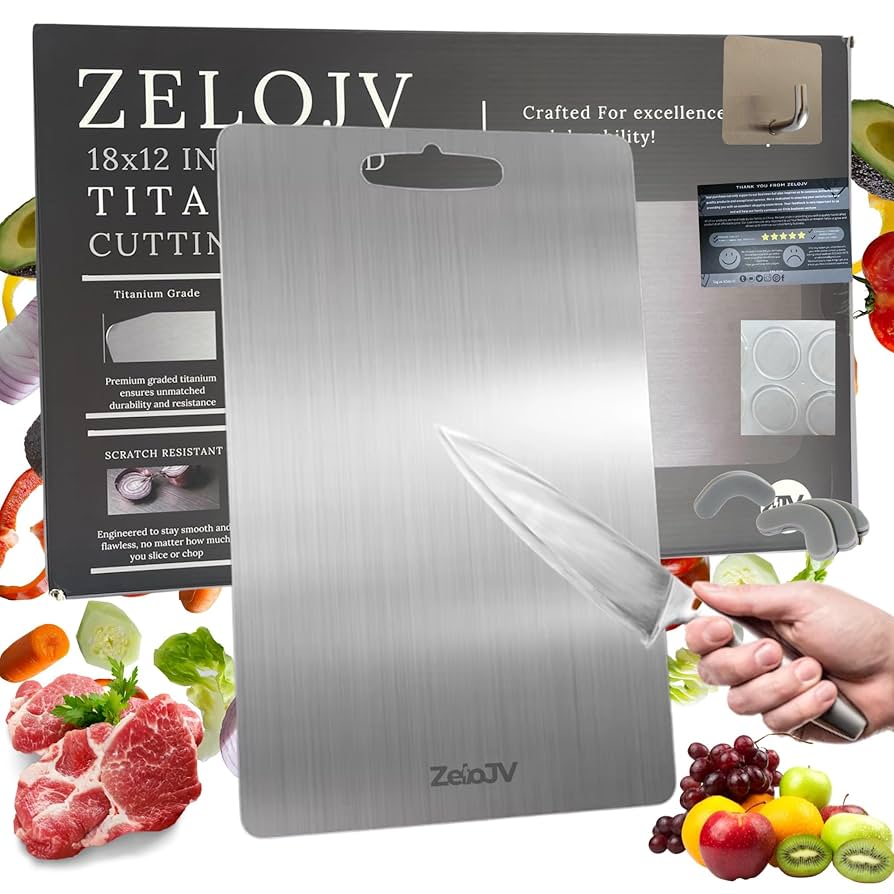
Are you wondering how much a cutting board should cost? Whether you’re upgrading your kitchen tools or buying your first one, knowing the price range can help you make a smart choice.
You want a cutting board that fits your budget without sacrificing quality or durability. You’ll discover the factors that affect cutting board prices and how to find the perfect one for your needs. Keep reading to make sure you get the best value for your money.
Types Of Cutting Boards
Cutting boards come in many materials. Each type has its own benefits and costs.
Choosing the right board helps keep your kitchen clean and safe. Here are common types.
Wood Cutting Boards
Wood boards are popular for their durability and style. They are gentle on knives.
They can be expensive but last a long time with care. Common woods include maple and walnut.
- Durable and long-lasting
- Good for knife edges
- Requires regular oiling
- Can be pricey
Plastic Cutting Boards
Plastic boards are affordable and easy to clean. Many are dishwasher safe.
They come in many colors, which helps avoid cross-contamination. They wear out faster than wood.
- Inexpensive
- Dishwasher safe
- Color-coded options
- Can get knife marks easily
Bamboo Cutting Boards
Bamboo boards are eco-friendly and harder than wood. They resist water better.
They need less oiling but can dull knives faster. Prices are moderate compared to wood.
- Eco-friendly choice
- Water resistant
- Harder on knives
- Moderate cost
Glass And Composite Boards
Glass boards are easy to clean and look modern. They are very hard on knives.
Composite boards mix materials for strength. They resist stains and scratches well.
- Glass: hygienic but dulls knives
- Composite: durable and stain-resistant
- Both are easy to clean
- Prices vary widely

Credit: www.surlatable.com
Factors Influencing Cutting Board Prices
Cutting board prices vary widely. Many factors affect their cost.
Understanding these factors helps you pick the right board for your needs and budget.
Material Quality
Material plays a big role in price. Wood, plastic, bamboo, and composite all differ.
- Hardwoods like maple cost more than softwoods.
- Bamboo is eco-friendly and mid-priced.
- Plastic boards are cheaper but less durable.
- Composite boards offer balance but vary in price.
Size And Thickness
Larger and thicker boards use more materials. This raises the price.
| Size | Thickness | Price Impact |
| Small (8×10 inches) | 0.5 inch | Lower price |
| Medium (12×18 inches) | 1 inch | Moderate price |
| Large (18×24 inches) | 1.5 inches | Higher price |
Brand Reputation
Trusted brands often charge more for quality assurance and warranty.
New or generic brands may offer lower prices but less reliability.
Craftsmanship And Design
Handmade boards with unique designs cost more. Machine-made boards are cheaper.
- Hand carving or engraving
- Edge finishing and smoothness
- Custom shapes or inlays
- Food-safe finishes and oils
Price Ranges For Different Cutting Boards
Cutting boards come in many types and prices. Choosing the right one depends on your budget and needs.
This guide shows common price ranges for budget, mid-range, and premium cutting boards.
Budget Options
Budget cutting boards are usually made from plastic or bamboo. They work well for everyday use but may wear out faster.
- Plastic boards cost between $5 and $15.
- Bamboo boards range from $10 to $20.
- They are lightweight and easy to clean.
Mid-range Choices
Mid-range cutting boards often use better wood or thicker plastic. They last longer and look nicer in the kitchen.
| Material | Price Range | Features |
|---|---|---|
| Hardwood (Maple, Walnut) | $30 – $70 | Durable, good for knives |
| High-Quality Plastic | $20 – $50 | Dishwasher safe, stain-resistant |
| Bamboo (Thicker) | $25 – $50 | Eco-friendly, sturdy |
Premium And Luxury Boards
Premium cutting boards use exotic woods or special designs. They often have unique features and last for years.
- Exotic woods like teak or cherry cost $80 to $200+
- Custom designs or engraved boards can be above $200
- Some include juice grooves or handles for convenience
Value Beyond Price
Cutting boards come in many prices. The cost is not the only thing to think about. Good cutting boards give value beyond just price.
Choosing the right cutting board means looking at how long it lasts, how easy it is to clean, and if it keeps food safe.
Durability And Longevity
Durability means how well a cutting board holds up over time. A strong board will not crack or wear out quickly.
Wood and plastic boards can last many years if used carefully. This saves money in the long run.
- Hardwoods like maple resist cuts and dents
- High-quality plastic boards resist stains and scratches
- Thicker boards tend to last longer
Maintenance And Care
Taking care of a cutting board keeps it in good shape. Cleaning and storing it properly helps it last.
Wood boards need oiling to stop drying and cracking. Plastic boards should be washed well and dried quickly.
- Wash boards with warm, soapy water after use
- Dry boards fully before storing to avoid mold
- Apply mineral oil to wooden boards once a month
Food Safety Considerations
Food safety is very important with cutting boards. Boards must stay clean to stop germs from spreading.
Using separate boards for meat and vegetables can reduce the risk of cross-contamination.
- Clean boards thoroughly after each use
- Use different boards for raw meat and produce
- Replace boards if they have deep cuts that trap bacteria
Where To Buy Cutting Boards
Cutting boards come in many styles and prices. Finding the right place to buy one depends on your needs.
You can shop for cutting boards online, in specialty stores, or from local artisans. Each option offers unique choices.
Online Retailers
Online shops have a wide variety of cutting boards. You can compare prices and read reviews before buying.
Many online retailers offer fast shipping and easy returns. You can find boards made of wood, plastic, or bamboo.
- Large selection of brands and materials
- Customer reviews help with choices
- Convenient home delivery
Specialty Kitchen Stores
Specialty kitchen stores focus on cooking tools and supplies. They often carry high-quality cutting boards.
Store staff can give advice on which board fits your cooking style. You can see and feel the boards before buying.
- Expert advice on cutting board types
- Hands-on experience with the product
- Often carry premium and durable boards
Local Artisan Shops
Local artisans make unique cutting boards by hand. These boards often have special designs or wood types.
Buying from artisans supports small businesses. You get a cutting board that is one of a kind and high quality.
- Handcrafted and unique designs
- Supports local craftsmen and businesses
- Custom options may be available

Credit: www.walmart.com
Tips For Choosing The Right Cutting Board
Choosing the right cutting board helps make cooking easier and safer. It also protects your knives and keeps your kitchen clean.
There are many types of cutting boards. Picking one that fits your needs is important for a good cooking experience.
Matching Board To Cooking Needs
Think about what you will cut most often. Different boards work better for certain foods and tasks.
- Wood boards are good for chopping vegetables and fruits.
- Plastic boards are easy to clean and work well with raw meat.
- Bamboo boards are hard and durable for heavy use.
- Glass boards look nice but can dull knives quickly.
Balancing Price And Quality
Cutting boards come in many price ranges. It is best to find one that fits your budget and lasts long.
| Price Range | Material | Durability |
| Low | Plastic | Moderate |
| Medium | Bamboo | High |
| High | Wood (Maple, Walnut) | Very High |
Considering Aesthetic Appeal
Your cutting board can add style to your kitchen. Choose a color and texture that matches your decor.
- Natural wood tones offer a warm, classic look.
- Bright plastic boards add a pop of color.
- Bamboo boards have a sleek, modern feel.
- Keep boards clean to maintain their appearance.

Credit: www.amazon.com
Frequently Asked Questions
What Factors Affect Cutting Board Prices?
Cutting board prices vary due to material, size, and brand. Materials like wood, plastic, or bamboo influence cost. Larger boards typically cost more. Brand reputation and design can also impact price. Always compare features and quality to find the best value.
How Much Do Wooden Cutting Boards Cost?
Wooden cutting boards generally range from $20 to $150. Prices depend on wood type, size, and craftsmanship. Premium woods like maple or walnut are more expensive. Handmade boards or those with unique designs can cost more. Always consider durability and maintenance when choosing.
Are Plastic Cutting Boards Cheaper?
Plastic cutting boards are usually more affordable than wood. They typically cost between $10 and $40. Prices depend on size, thickness, and brand. Plastic boards are often dishwasher safe and more convenient for everyday use. However, they may wear out faster than wood.
How Often Should I Replace My Cutting Board?
Replace your cutting board when it shows deep cuts or warping. These can harbor bacteria and become unsanitary. Plastic boards may need replacing more often than wooden ones. Regular maintenance and cleaning can extend a board’s life. Always prioritize hygiene and safety.
Conclusion
Cutting boards come in many types and prices. You can find simple plastic ones for a few dollars. Wooden boards usually cost a bit more but last longer. Think about how often you cook and what fits your budget. Choosing the right size and material matters too.
A good cutting board makes food prep safer and easier. Spend wisely, and your kitchen will benefit every day.