Have you ever reached for a liquid measuring cup when a recipe calls for dry ingredients and wondered if it’s really okay to use it? You’re not alone.
Using the wrong measuring tool can change the outcome of your dish, leaving you frustrated and confused. But don’t worry—this article will clear up the mystery. By the end, you’ll know exactly when and how to use a liquid measuring cup for dry ingredients without ruining your recipe.
Keep reading to make your cooking and baking easier and more precise!
Credit: www.kingarthurbaking.com
Differences Between Liquid And Dry Measuring Cups
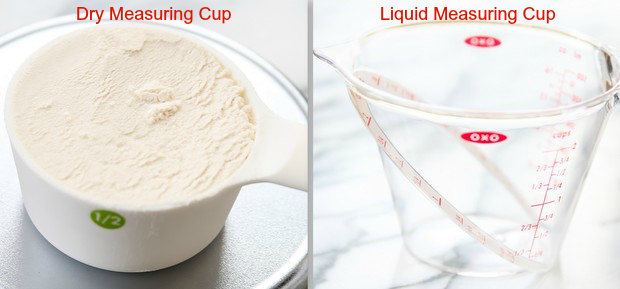
Measuring ingredients correctly is important for cooking and baking. Liquid and dry measuring cups look similar but serve different purposes.
Using the right cup ensures you get accurate measurements and better results in your recipes.
Design And Material
Liquid measuring cups usually have a spout for easy pouring. They are often made of clear glass or plastic. This lets you see the liquid level from the side.
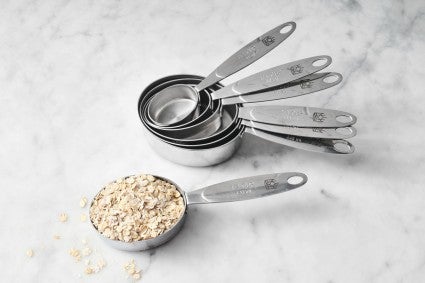
Dry measuring cups are solid and made of metal or plastic. They do not have a spout. You fill them to the top and level off the extra.
- Liquid cups: clear, with a pouring spout
- Dry cups: solid, no spout, stackable
- Materials vary: glass, plastic, metal
Measurement Accuracy
Liquid cups show measurements on the side for easy reading. You measure liquids at eye level to avoid mistakes.
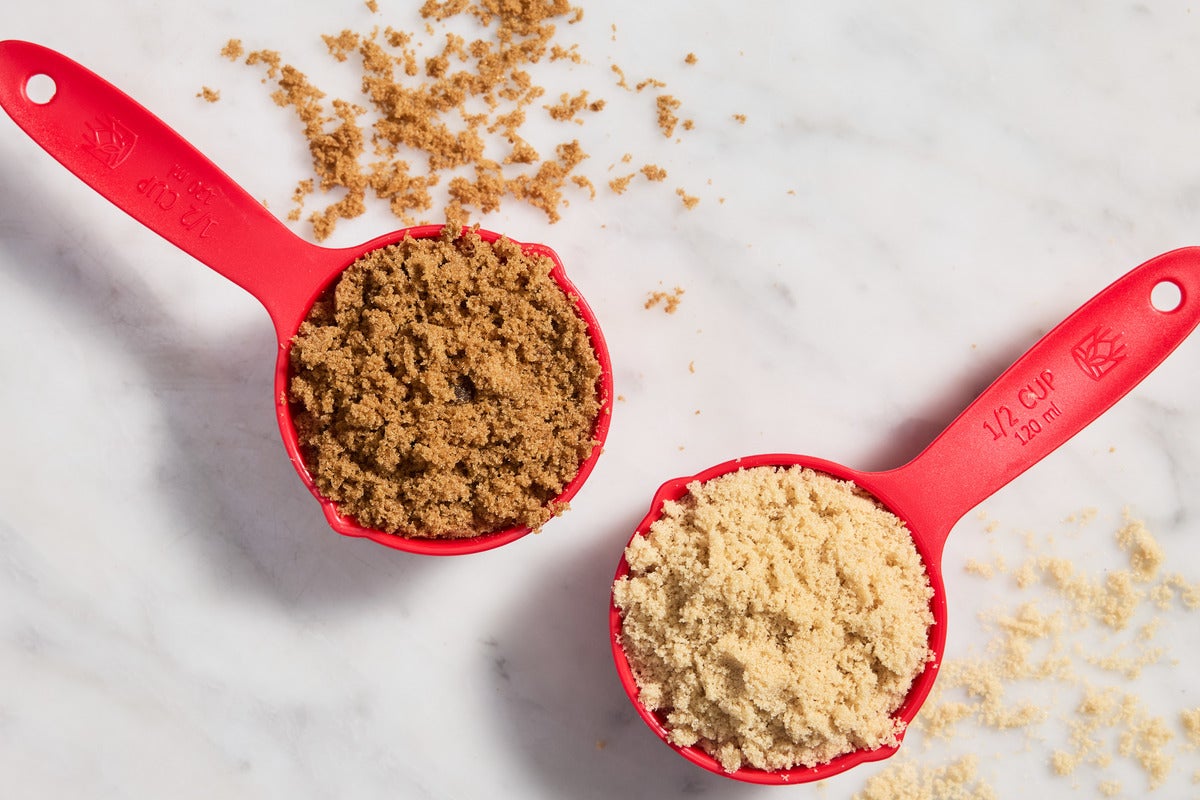
Dry cups are meant to be filled and leveled off. This gives precise amounts for flour, sugar, and other dry ingredients.
- Liquid cups: measure by volume, use eye level
- Dry cups: fill and level for exact amounts
- Using the wrong cup can cause errors in recipes
Common Sizes
Both liquid and dry measuring cups come in standard sizes. These sizes help you measure common amounts easily.
| Size | Common Use | Type |
|---|---|---|
| 1 cup (240 ml) | Main measuring cup for both dry and liquid | Liquid and Dry |
| 1/2 cup (120 ml) | Smaller quantities of dry ingredients | Dry |
| 1/3 cup (80 ml) | Used for baking smaller amounts | Dry |
| 1/4 cup (60 ml) | Small amounts of dry or liquid | Dry and Liquid |
Credit: www.kingarthurbaking.com
Challenges Of Using Liquid Cups For Dry Ingredients
Using a liquid measuring cup for dry ingredients can cause problems in cooking and baking. Liquid cups are made for wet ingredients like water or milk.
Dry ingredients need different handling for accurate measurement. Using the wrong cup can affect your recipe’s outcome.
Spillage And Overfilling
Liquid cups have tall sides and a pouring spout. These features make filling with dry ingredients tricky.
Dry ingredients can spill over easily because the cup is hard to fill evenly. Overfilling happens when you try to fit too much.
- Powders can scatter outside the cup
- Overfilled cups cause inaccurate amounts
- Spilled ingredients create messes and waste
Inconsistent Measurements
Liquid cups measure by volume with clear marks on the side. Dry ingredients need to be packed or leveled for correct volume.
Using a liquid cup for dry items often gives uneven measurements. This inconsistency affects how your food turns out.
- Dry ingredients settle differently in liquid cups
- Marks on liquid cups do not match dry ingredient needs
- Uneven packing causes wrong amounts
Difficulty In Leveling
Dry ingredients need to be leveled off for exact measurements. Liquid cups have wide openings and tall sides, making this hard.
It is tough to use a flat edge to level dry ingredients in a liquid cup. This leads to extra or less ingredient in your recipe.
- Wide cups make it hard to level ingredients evenly
- Pouring spouts get in the way of using a flat edge
- Uneven surfaces cause measurement errors
When Using Liquid Cups Works
Liquid measuring cups are made for wet ingredients like water or milk. They have a spout for easy pouring. You may wonder if you can use them for dry ingredients like flour or sugar.
Using liquid cups can work in some cases. It depends on the ingredient and how precise you need to be. Here are some tips for using liquid cups with dry or sticky ingredients.
Measuring Sticky Or Granular Ingredients
Sticky ingredients like honey or syrup fit well in liquid cups. You can pour them easily and see the amount clearly. Granular ingredients like sugar also work if they fill smoothly.
Make sure to level off the top for accuracy. Sticky ingredients may leave residue, so clean the cup well after use.
- Use liquid cups for honey, syrup, or molasses
- Sugar and salt work if poured evenly
- Clean sticky cups right after measuring
Small Quantity Measurements
Liquid measuring cups often have large markings. Small amounts can be hard to see or measure. This makes them less accurate for tiny dry ingredients.
Use smaller tools like measuring spoons for small quantities. Liquid cups are better for medium to large amounts.
- Liquid cups show less detail for small amounts
- Measuring spoons are better for tiny quantities
- Use liquid cups for 1/4 cup or more
Using Weight As A Backup
Weight measures ingredients more exactly than volume. If you need precision, use a kitchen scale. It works for both dry and liquid ingredients.
Liquid cups can be a quick tool. Weighing ingredients helps avoid mistakes and makes recipes turn out better.
- Use a scale for best accuracy
- Weight works for all ingredient types
- Liquid cups are good for rough measurements
Tips For Accurate Dry Ingredient Measurement
Measuring dry ingredients correctly is important for good baking and cooking results. Using the right tools and methods helps you get the right amount every time.
It can be confusing to use a liquid measuring cup for dry ingredients. This guide shares tips to measure dry ingredients accurately.
Spoon And Level Method
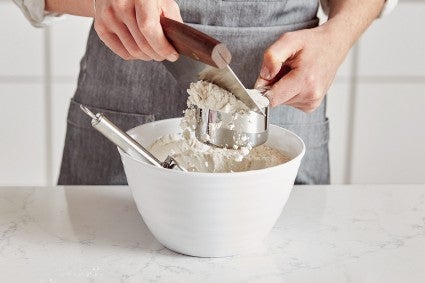
This method works well with flour and other dry ingredients. Use a spoon to fill the measuring cup or spoon without packing the ingredient.
After filling, use a flat edge to level off the ingredient. This gives a more accurate measure than scooping directly.
- Spoon dry ingredient gently into the cup
- Do not shake or pack the ingredient
- Use a knife or flat edge to level off excess
Using A Scale
A kitchen scale gives the most accurate dry ingredient measurement. Weighing ingredients avoids errors from volume measurements.
Place a bowl on the scale and zero it out. Then add the ingredient until you reach the recipe’s weight.
- Use grams or ounces for best results
- Zero the scale with your container before weighing
- Weigh each ingredient separately
Choosing The Right Tools
Liquid measuring cups and dry measuring cups look similar but serve different purposes. Dry cups are meant for ingredients like flour and sugar.
Using the correct tool makes measuring easier and more precise. Liquid cups have space for spills and clear markings for liquids.
- Dry cups are solid and meant to be leveled off
- Liquid cups have spouts and extra space to pour
- Use measuring spoons for small amounts
Expert Advice On Measuring Techniques
Using the right tools for measuring ingredients is key to good cooking. Many wonder if a liquid measuring cup can be used for dry ingredients.
This guide shares tips to measure dry ingredients accurately with any tool. It focuses on avoiding mistakes, adjusting recipes, and keeping measurements consistent.
Avoiding Common Mistakes
Measuring dry ingredients with a liquid cup can cause errors. Liquid cups have a spout and space above the measurement line, which affects dry ingredient levels.
- Do not fill a liquid cup above the line for dry items.
- Level off dry ingredients with a flat edge for accuracy.
- Use a dry measuring cup when possible to avoid guesswork.
- Check if your recipe specifies weight instead of volume.
Adjusting Recipes When Needed
If you use a liquid cup for dry items, you may need to adjust amounts. Dry ingredients packed too tightly can change the recipe’s outcome.
| Ingredient | Measure with Liquid Cup | Recommended Adjustment |
| Flour | Fill to line | Lightly spoon and level off |
| Sugar | Fill to line | Pack lightly or sift before measuring |
| Oats | Fill to line | Fluff and level, avoid packing |
Maintaining Consistency
Using the same measuring method helps keep your cooking consistent. Choose one tool and technique and stick with it for all recipes.
Tips for consistent measuring:
- Always use the same type of measuring cup for dry or liquid items.
- Measure on a flat surface for better accuracy.
- Write down any adjustments you make for future reference.
- Use a kitchen scale for the most precise results.
Credit: www.kingarthurbaking.com
Frequently Asked Questions
Can I Measure Dry Ingredients With A Liquid Cup?
Yes, you can use a liquid measuring cup for dry ingredients. However, it may not be as accurate. Liquid cups are designed for volume, not weight. For better precision, especially in baking, use dry measuring cups.
What’s The Difference Between Dry And Liquid Measuring Cups?
Dry measuring cups are meant for solids and powders. They provide exact measurements for ingredients like flour. Liquid measuring cups have a spout for pouring and measure volume, perfect for liquids.
How To Convert Liquid To Dry Measurements?
Converting liquid to dry measurements requires understanding density differences. For example, 1 cup of water equals 8 ounces, but 1 cup of flour weighs about 4. 5 ounces. Always check specific ingredient conversions for accuracy.
Why Use A Dry Cup For Dry Ingredients?
Dry measuring cups ensure precision, essential for baking. They measure ingredients like flour and sugar accurately. This precision helps achieve desired textures and flavors. Using the right tool prevents measurement errors.
Conclusion
Using a liquid measuring cup for dry ingredients can cause mistakes. Dry cups hold different amounts than liquid cups. This difference affects your recipe’s outcome. For best results, use the right tool for each ingredient. Dry measuring cups help measure solid items correctly.
Liquid cups work well with liquids like water or milk. Keeping these tips in mind makes cooking easier and more fun. Simple tools lead to better dishes every time. Choose wisely for tasty, consistent meals.