Are you tired of relying on bulky window air conditioners that block your view or don’t fit just right? You might be wondering if there’s a better way to cool your space without sacrificing style or comfort.
Installing a window air conditioner directly into your wall could be the perfect solution—but is it really possible? You’ll discover everything you need to know about wall installation for window AC units. By the end, you’ll have a clear idea if this option works for your home and how to do it safely and effectively.
Keep reading to unlock the cool comfort you deserve!
Wall Installation Basics
Choosing the right wall air conditioneris key for comfort. Pick a unit that fits the room size. Check the cooling powerin BTUs to match the space. Look for models made for wall installation. These are easier to set up and use less energy.
Tools and materialsneeded include a drill, level, screwdriver, measuring tape, and mounting brackets. Also, get caulk or foam for sealing. Safety gear like gloves and goggles helps protect during installation.
Measure the wall carefully. The openingmust fit the unit snugly. Find a spot near a power outlet and away from direct sunlight. Mark the wall for cutting. Prepare the area by clearing furniture and covering floors to avoid dust.

Credit: archexteriors.com
Step-by-step Installation
Measure the wall thickness and size of the air conditioner carefully. Mark the wall where the unit will fit. Use a saw to cut a neat opening in the wall. Make sure the hole is slightly bigger than the unit for easy fitting. Clean the edges of the cut to remove any debris.
Place the air conditioner into the opening slowly. Check if it fits well and is level. Use screws and brackets to secure the unit firmly in place. Tighten all fasteners but avoid over-tightening to prevent damage. The unit should not move or wobble once mounted.
Apply weatherproof sealant around the edges of the air conditioner. Insert insulation foam to block air leaks and keep the room cool. Cover any gaps with trim or molding for a finished look. Sealing and insulating help save energy and improve cooling efficiency.
Safety Considerations
Electrical requirementsmust match the air conditioner’s power needs. Use a dedicated outlet with correct voltage. Avoid using extension cords to prevent fire risks. Check the circuit breaker capacity before installation. Grounding the unit properly is essential for safety.
Structural supportis crucial to hold the air conditioner weight. The wall must be strong enough to bear the unit. Use a frame or braces for added stability. Secure the unit firmly to avoid accidents or damage. Weak walls can cause the unit to fall.
Weatherproofing tipshelp keep the air conditioner efficient. Seal gaps around the unit to stop air leaks. Use waterproof materials to prevent water damage. Check for proper insulation to avoid energy loss. Cover the unit during winter to protect it from snow and rain.

Credit: thelenmechanical.com
Common Challenges
Wall thickness can block the air conditioner from fitting properly. Some walls are too thick for standard units. Cutting into the wall may be needed to make space.
Weight is another concern. Air conditioners are heavy and need strong support. Without it, the unit might fall or cause damage. Installing a sturdy frame or bracket helps hold the weight safely.
Noise and vibration can be a problem too. Wall installations may cause louder sounds than window setups. Using rubber pads or insulation can reduce shaking and noise.
Maintenance And Care
Cleaning the Unitkeeps the air conditioner working well. Dust and dirt can block airflow and lower cooling power. Use a soft brush or cloth to clean the filters every month. Wash the filters with warm water and let them dry fully before putting back. Wipe the outside with a damp cloth to remove grime.
Seasonal Removal and Storagehelps protect the unit during cold months. Take the air conditioner out of the wall carefully. Cover it with a plastic bag or cloth to keep dust away. Store it in a dry, cool place to avoid damage. Check for any cracks or loose parts before reinstalling.
| Troubleshooting Common Problems | Possible Causes | Solutions |
|---|---|---|
| Unit not cooling | Dirty filters, low refrigerant | Clean filters, call a technician |
| Water leaking | Clogged drainage, tilted unit | Clear drain hole, adjust level |
| Unit making noise | Loose parts, debris inside | Tighten screws, clean inside |
Alternatives To Wall Installation
Window air conditionersfit into window frames and are easy to install. They cool a single room well but block the window view. Wall unitsare built into the wall and save window space. They need a hole in the wall and professional installation.
Portable air conditioners are easy to move from room to room. They require a vent hose to release hot air outside through a window or wall opening. These units do not need permanent installation and are good for renters.
| Type | Installation | Pros | Cons |
|---|---|---|---|
| Window Units | Fits in window frame | Easy to install, affordable | Blocks window, limited cooling area |
| Wall Units | Built into wall | Saves window space, neat look | Needs wall hole, professional install |
| Portable AC | No permanent install | Move anywhere, easy setup | Noisy, needs vent hose |
| Mini-Split Systems | Wall-mounted indoor unit | Quiet, energy efficient | High upfront cost, requires install |

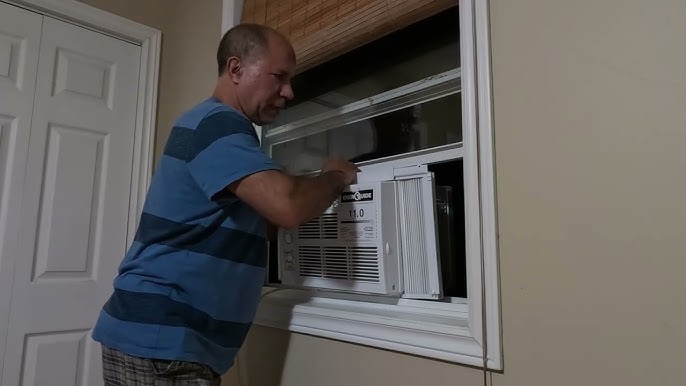
Credit: www.youtube.com
Frequently Asked Questions
Can A Window Ac Be Installed In A Wall?
Yes, you can install a window air conditioner in a wall with some modifications. Ensure the unit is properly supported and sealed. Use a wall sleeve if necessary for stability. Check the manufacturer’s instructions for compatibility and guidelines to avoid damaging the unit or wall.
What Tools Are Needed For Wall Installation?
You’ll need basic tools like a drill, screwdriver, level, and measuring tape. A wall sleeve may also be required for added support. Ensure you have materials to seal gaps and insulate around the unit. Follow safety precautions and consult a professional if you’re unsure about the installation process.
Is A Wall Sleeve Necessary For Installation?
A wall sleeve is recommended when installing a window AC in a wall. It provides necessary support and stability to the unit. The sleeve also helps prevent damage to the wall and improves insulation. Always check the air conditioner’s manual for specific requirements regarding wall installations.
Does Wall Installation Affect Ac Efficiency?
Wall installation can affect efficiency if not done correctly. Ensure the unit is securely mounted and sealed. Proper insulation prevents air leaks, maintaining cooling efficiency. Follow the manufacturer’s guidelines and consider professional installation to optimize performance and energy usage.
Conclusion
Installing a window air conditioner in the wall can work well. It needs careful measuring and a strong frame for support. Proper sealing keeps air and water out. This setup saves window space and cools rooms effectively. Always follow safety steps and local rules.
With the right tools and care, you can do it yourself. Enjoy a cooler home with a neat, sturdy installation.