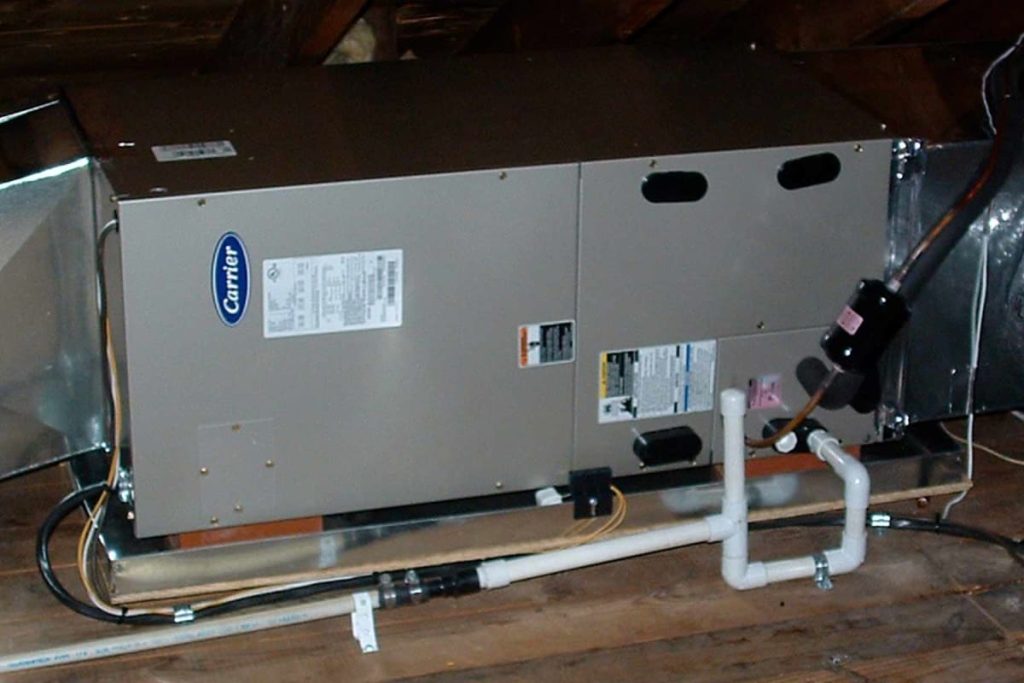
Have you ever noticed water pooling around your air conditioner and wondered, “Where is the drain pan on my AC?” Knowing the exact spot of this hidden but important part can save you from costly repairs and keep your home comfortable. You’ll discover where the drain pan is located, why it matters, and how to check it yourself.
By the end, you’ll feel confident in spotting potential issues early and protecting your air conditioner. Keep reading—you don’t want to miss these simple tips that could save you time and money.
Drain Pan Basics
The drain pancollects water that forms during air conditioning. This water comes from condensationinside the system. Without a drain pan, water could damage the unit or cause leaks.
Drain pans are usually made from durable materialsto hold water safely. Common materials include:
- Plastic– lightweight and resistant to rust
- Aluminum– strong and long-lasting
- Galvanized steel– coated to prevent corrosion
These materials help the pan last longer and prevent water damage. The drain pan is a simple but important partof air conditioners.

Credit: www.reddit.com
Typical Drain Pan Locations
The drain pancollects water that forms during cooling. It stops water from leaking inside your home. You can find it in a few common spots.
- Inside the Indoor Unit:Often, the drain pan sits right inside the air handler. It catches water dripping from the cooling coils.
- Beneath the Air Handler:Some systems place the drain pan below the air handler, acting like a tray to catch water.
- Near the Evaporator Coil:The drain pan may be close to the evaporator coil because this is where condensation happens.
How To Access The Drain Pan
- A screwdriver to remove the AC panel screws.
- A flashlight to see inside dark areas.
- A small bucket or towel to catch water spills.
- Gloves to protect your hands.
Locate the front or side panel of the indoor air handler unit. Use the screwdriver to carefully remove screws. Gently pull off the panel to expose the inside parts. The drain pan is a shallow, plastic tray under the evaporator coil. It collects water from condensation. Look for water or dirt in the pan. Clean or empty it if needed. Replace the panel by aligning it back and tightening the screws. Turn the AC back on and check for leaks.

Credit: www.reddit.com
Signs Of Drain Pan Issues
Water leaks and stainsnear the air conditioner are clear signs of drain pan problems. The drain pan collects water from the AC unit. If it cracks or clogs, water spills out and causes stains on walls or floors.
Unusual noiseslike dripping or gurgling sounds often come from a damaged drain pan. These sounds mean water is not draining properly and may cause bigger issues if ignored.
Mold and mildew growtharound the air conditioner or nearby areas is another warning sign. Standing water in a broken drain pan creates a perfect place for mold to grow, which can affect air quality and health.
Cleaning And Maintenance Tips
Keep the drain pan clean by removing dirt and water regularly. Use a cloth or sponge to wipe the pan. This stops mold and bad smells from forming. Check the pan for cracks or damage that may cause leaks.
- Clear the drain line with a mixture of water and vinegar.
- Remove debris like leaves or dust from the pan area.
- Ensure the pan is properly aligned under the coil to catch water.
- Look for standing water or slow drainage as warning signs.
Call a professional if water spills or the AC stops cooling. Problems like clogged drain lines or broken pans need expert care. Regular service helps keep the system working well.
Credit: www.walmart.com
Troubleshooting Common Problems
Drain pan overflowhappens when water builds up too fast. Dirt or debris can block the drain line. This stops water from leaving the pan. Overflow causes leaks and water damage. Check the pan and drain line for clogs often.
Slow drainagemakes water stay longer in the pan. This can lead to mold and bad smells. Clean the drain line with a vinegar solution to clear blockages. Make sure the drain pipe is not bent or crushed.
Corrosion and damageoccur when water sits too long in the pan. Rust can make holes in metal pans. Plastic pans may crack or break over time. Replace damaged pans quickly to avoid leaks.
Frequently Asked Questions
Where Is The Air Conditioner’s Drain Pan Located?
The drain pan is typically found beneath the evaporator coils. It collects condensation from the air conditioner’s operation. Accessing it usually requires removing the front cover. Ensure the air conditioner is powered off before inspection for safety.
How Do I Access The Ac Drain Pan?
To access the drain pan, turn off the AC unit. Remove the front panel or cover. This typically requires a screwdriver. Once removed, you should see the drain pan beneath the evaporator coils. Always ensure safety by unplugging the unit first.
Why Is My Ac Drain Pan Full Of Water?
A full drain pan often indicates a clogged drain line. This prevents water from properly exiting. Regular maintenance, like cleaning the drain line, can prevent this issue. If left unchecked, it can lead to water damage and reduced cooling efficiency.
How Often Should I Check The Ac Drain Pan?
Checking the drain pan should be part of routine maintenance. Ideally, inspect it every three to four months. Regular checks can help prevent overflow issues. This ensures your air conditioner operates efficiently and avoids potential water damage.
Conclusion
Knowing where the drain pan sits in your air conditioner helps you keep it clean. A clean drain pan stops water leaks and mold growth. Check it often, especially during hot months. Small care steps can avoid big problems later.
This simple part plays a key role in your AC’s health. Keep an eye on it to enjoy cool air all summer. Easy to find, easy to maintain. That’s smart home care.