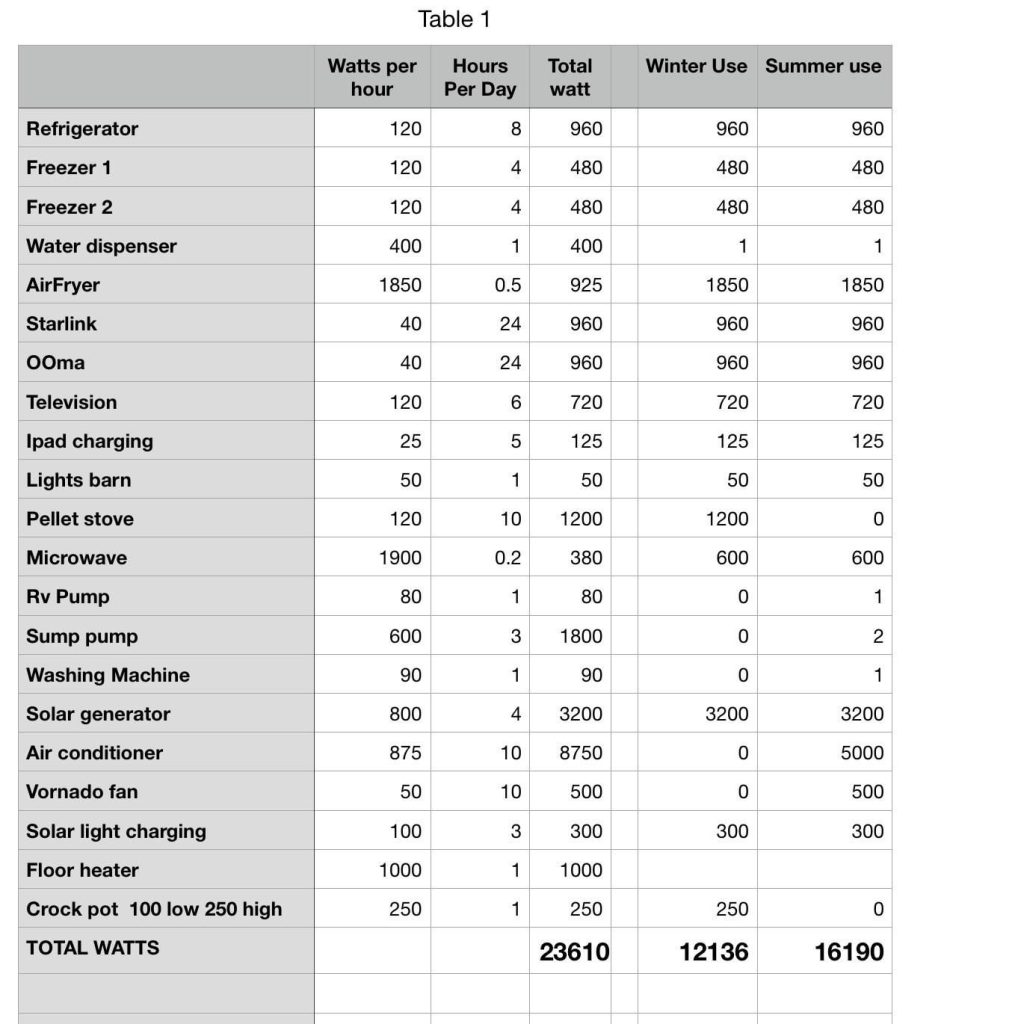
Wondering how many watts it takes to run your air conditioner? Knowing this can help you save money on electricity bills and avoid unexpected power issues.
If you want to keep your home cool without wasting energy, understanding your AC’s power needs is key. You’ll discover exactly how to figure out the wattage your air conditioner uses and simple tips to make it run more efficiently.
Keep reading—you’re about to unlock the secrets to smarter, cooler living.

Credit: udpwr.com
Air Conditioner Power Basics
Wattsmeasure the electrical power an air conditioner uses. BTUsshow how much heat the unit can remove from a room. Higher BTUs mean more cooling power. Watts tell you how much electricity the AC needs to run.
Different types of air conditioners use different amounts of power. Window units are usually smaller and use less power. Central air systems cool whole houses but use more watts. Portable ACs are easy to move but may use more energy than window units.
| Type | Typical Watts | Cooling Capacity (BTUs) |
|---|---|---|
| Window AC | 500 – 1,500 W | 5,000 – 12,000 BTUs |
| Portable AC | 800 – 1,500 W | 8,000 – 14,000 BTUs |
| Central AC | 3,000 – 5,000 W | 20,000 – 60,000 BTUs |
Cooling capacity tells how well an AC cools a space. A bigger room needs more BTUs. For example, a 12,000 BTU unit cools about 550 square feet. Watts used depend on the BTU rating and efficiency.
Calculating Power Needs
The size of the roomis key to knowing the power needed for an air conditioner. Larger rooms need more watts to cool the space well. Small rooms require less energy.
Good insulationhelps keep the cool air inside, lowering power use. Rooms with many windows or direct sunlight need more watts to stay cool. Sunlight adds heat that the AC must remove.
The number of peoplein the room matters too. More people produce more body heat. This heat makes the air warmer and the AC work harder.
- Small room (up to 150 sq ft): 5,000 to 6,000 watts
- Medium room (150-300 sq ft): 6,000 to 8,000 watts
- Large room (300+ sq ft): 8,000+ watts
Power Consumption By Ac Type
Window unitsusually use between 500 and 1,500 watts. They are good for cooling small rooms. These units plug into a regular outlet.
Split systemsuse about 1,000 to 2,000 watts. They have two parts: one inside and one outside. They cool medium-sized spaces well.
Central air conditionersneed more power, around 3,000 to 5,000 watts. They cool whole houses by moving cool air through ducts.
| AC Type | Power Use (Watts) | Best For |
|---|---|---|
| Window Units | 500 – 1,500 | Small rooms |
| Split Systems | 1,000 – 2,000 | Medium rooms |
| Central Air Conditioners | 3,000 – 5,000 | Whole houses |

Credit: calfohomeservices.com
Energy Efficiency Ratings
SEER(Seasonal Energy Efficiency Ratio) and EER(Energy Efficiency Ratio) show how well an air conditioner saves energy. SEER measures efficiency over a whole cooling season. EER measures efficiency at a single temperature point.
A higher SEER or EER means the air conditioner uses less powerto cool the same space. This lowers electricity bills. Lower ratings mean more energy use and higher costs.
- Energy Star modelsmeet strict efficiency rules.
- They use less wattsto run than standard models.
- Choosing these models helps reduce energy waste.
- They also help protect the environment by lowering emissions.
Estimating Electricity Costs
The power consumption of an air conditioner depends on its wattage. To find the hourly electricity cost, multiply watts by hours used, then divide by 1,000 to get kilowatt-hours (kWh). Multiply kWh by your local electricity rate. For example, a 1,500-watt unit running 5 hours uses 7.5 kWh. At $0.12 per kWh, that costs $0.90 per day.
Monthly and annual expenses are easy to estimate. Multiply daily costs by 30 for monthly, and by 365 for yearly bills. This helps plan your budget and see the impact of air conditioner use.
- Use a programmable thermostat to reduce running time.
- Keep filters clean for better efficiency.
- Close windows and doors to keep cool air inside.
- Use fans to circulate air and reduce AC load.
- Set temperature at 78°F (25.5°C) for balance of comfort and savings.
Power Supply Considerations
An air conditioner needs the right power supplyto work well. The circuitmust handle the wattsthe unit uses. Most home ACs need a dedicated circuitto avoid overloads.
| Voltage | Amperage | Purpose |
|---|---|---|
| 120V | 15-20A | Small window units |
| 240V | 20-30A | Central air conditioners |
Generators can power AC units during outages. Use a generator with enough wattageto cover the AC’s needs. Always follow safety ruleswhen using generators to avoid hazards.
Improving Ac Efficiency
Keeping an air conditioner running well means doing regular maintenance. Clean or replace filters every month. Dirt blocks airflow and lowers cooling power. Check the coils for dirt and clean them too. Clear debris around the outdoor unit to help airflow.
Setting the thermostatwisely saves energy. Keep the temperature at a comfortable but not too low level, around 78°F (26°C) when home. Use a programmable thermostat to raise the temperature when away. Small changes cut power use a lot.
- Use fans to move cool air faster.
- Close curtains to block heat from the sun.
- Seal leaks in doors and windows to stop cool air from escaping.
These small steps help reduce the wattageneeded to run the AC. Less power means lower electric bills and a cooler home.

Credit: truegear.com.au
Frequently Asked Questions
How Many Watts Does A Small Ac Use?
A small air conditioner typically uses between 500 to 1,500 watts. This depends on the model and its energy efficiency. It’s essential to check the unit’s specifications. Energy-efficient models can save on electricity costs, making them a smart choice for budget-conscious consumers.
What Wattage Is Needed For A 5,000 Btu Ac?
A 5,000 BTU air conditioner generally requires around 450 to 600 watts. This range varies based on the model’s efficiency and age. Modern units are often more energy-efficient. It’s advisable to review the product’s manual or label for precise wattage information.
Do Portable Acs Consume More Watts?
Portable air conditioners usually consume more watts than window units. They can range from 900 to 1,500 watts. This is due to their design and mobility features. However, they offer flexibility in placement, which can be beneficial for some users.
How To Calculate Ac Wattage Needs?
To calculate AC wattage, multiply the BTUs by 0. 293. This formula converts BTUs to watts, providing an estimate. Always check the manufacturer’s specifications for accuracy. Knowing the exact wattage helps in managing energy consumption and costs.
Conclusion
Knowing the watts an air conditioner uses helps save energy and money. Smaller rooms need fewer watts, while bigger spaces require more power. Choose the right size to keep your home cool and your bills low. Checking the wattage before buying can prevent surprises.
Stay comfortable without wasting electricity. Simple steps make a big difference in energy use. Keep this guide handy for smart cooling choices.