
Have you ever wondered why some food handlers use two different cutting boards while preparing meals? It might seem like a small detail, but this simple habit can make a huge difference in keeping your kitchen safe and your food fresh.
Using separate boards stops harmful germs from spreading between raw meat and fresh vegetables. If you want to protect your family and cook smarter, understanding this practice is key. Keep reading to discover why this easy step is a game-changer for your kitchen hygiene and how you can master it today.
Importance Of Using Separate Cutting Boards
Using separate cutting boards is important for safe food handling. It helps keep different foods apart and stops germs from spreading.
Food handlers often use two cutting boards to prepare raw meat and vegetables separately. This simple step protects people from getting sick.
Preventing Cross-contamination
Cross-contamination happens when harmful bacteria move from one food to another. Using separate cutting boards stops this transfer.
For example, raw meat can carry bacteria that cause illness. Using a different board for vegetables keeps them safe to eat.
- Use one board for raw meat, poultry, or fish
- Use another board for fruits and vegetables
- Clean and sanitize boards after each use
Reducing Foodborne Illness Risks
Foodborne illnesses happen when people eat food with harmful germs. Separate cutting boards lower this risk by keeping foods clean.
Using two cutting boards helps avoid mixing germs from raw foods with ready-to-eat foods. This keeps meals safer for everyone.
- Prevent germs from raw meat spreading
- Protect fresh foods from contamination
- Lower chances of food poisoning
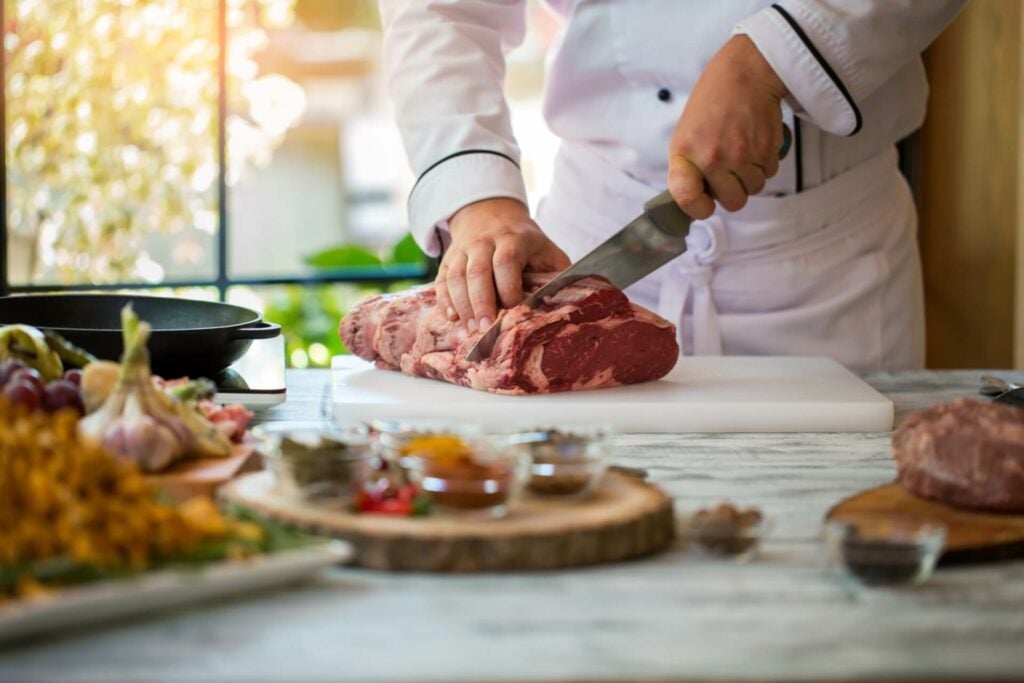
Credit: tabcpronto.com
Choosing The Right Cutting Boards
Using the correct cutting board is important for food safety. It helps avoid germs and keeps food fresh.
Different boards work best for different foods. Knowing how to pick the right one makes cooking safer and easier.
Materials And Durability
Cutting boards come in many materials like wood, plastic, and bamboo. Each has its pros and cons.
- Wood:Strong and lasts long. It is gentle on knives but needs careful cleaning.
- Plastic:Easy to clean and dishwasher safe. May get cuts and need replacing often.
- Bamboo:Hard and eco-friendly. It is less porous but can dull knives faster.
Color-coding Systems
Color-coding helps prevent cross-contamination. It shows which board to use for each food type.
| Color | Food Type |
| Red | Raw meat |
| Green | Fruits and vegetables |
| Blue | Raw fish |
| Yellow | Cooked meat |
| White | Dairy and bakery |
Proper Cleaning And Sanitizing Methods
Using two different cutting boards helps prevent cross-contamination. Cleaning and sanitizing them correctly is important for food safety.
This guide explains how to wash and sanitize cutting boards properly.
Washing Techniques
Wash cutting boards with hot, soapy water after each use. Scrub all surfaces well to remove food particles.
- Use a brush or sponge to clean the board.
- Rinse with clean water to remove soap.
- Dry the board with a clean towel or air dry it.
- For plastic boards, consider using a dishwasher if safe.
Sanitizer Options
Sanitize cutting boards to kill bacteria after washing. Use safe sanitizer solutions made for food surfaces.
| Sanitizer | Preparation | Contact Time |
| Bleach Solution | 1 tablespoon bleach per gallon of water | 2 minutes |
| Quaternary Ammonium | Follow product label instructions | 30 seconds to 1 minute |
| Vinegar | Use undiluted or mixed with water | 10 minutes |
Safe Cutting Practices
Using cutting boards correctly helps keep food safe. It stops germs from spreading between foods.
Food handlers should choose the right boards for different food types. This lowers risks of contamination.
Designating Boards For Specific Foods
Assign separate cutting boards for meats, vegetables, and fruits. This prevents bacteria from raw meat touching ready-to-eat foods.
- Use a red board for raw meat
- Use a green board for vegetables
- Use a yellow board for poultry
- Use a blue board for seafood
- Use a white board for bakery or dairy items
Avoiding Cross-use Mistakes
Cross-using cutting boards can spread harmful germs. Always wash boards well between uses or use different boards.
| Common Mistakes | Safe Practice |
| Using one board for raw meat and vegetables | Use separate boards for each food type |
| Not cleaning board between different foods | Wash board with hot soapy water after each use |
| Ignoring damage on boards that hide bacteria | Replace boards when they get deep cuts or cracks |
Storage And Maintenance Tips
Using two different cutting boards helps prevent cross-contamination in the kitchen. Proper storage and maintenance keep these boards safe and clean.
Following simple rules for storing and checking your cutting boards extends their life and keeps food safe.
Storing Cutting Boards Safely
Store cutting boards in a dry, clean place. Avoid stacking them while wet to prevent bacteria growth. Keep boards used for raw meat separate from those used for vegetables.
- Dry boards completely before storing
- Store boards upright for air circulation
- Use separate racks for different board types
- Keep boards away from heat and direct sunlight
Regular Inspection And Replacement
Check cutting boards often for deep cuts or cracks. Bacteria can hide in these damaged spots. Replace boards if they become hard to clean.
| Condition | Action |
|---|---|
| Small scratches | Clean and sanitize regularly |
| Deep grooves or cracks | Replace cutting board |
| Warped or split boards | Do not use; discard immediately |

Credit: foodhandler.com

Credit: www.reddit.com
Frequently Asked Questions
Why Use Different Cutting Boards For Meat And Vegetables?
Using separate cutting boards prevents cross-contamination between raw meat and vegetables. Bacteria from raw meat can transfer to vegetables, posing health risks. By using different boards, you ensure food safety and hygiene. This practice is especially important in commercial kitchens to comply with health regulations and maintain quality.
What Materials Are Best For Cutting Boards?
Wood and plastic are popular choices for cutting boards. Wood is durable and gentle on knives, reducing dulling. Plastic is easy to sanitize and dishwasher-safe. Both materials offer specific benefits, making them suitable for different kitchen needs. Choose based on your preference and the type of food being prepared.
How Often Should Cutting Boards Be Replaced?
Cutting boards should be replaced when they show deep grooves or cracks. Such damage can harbor bacteria despite thorough cleaning. Regularly inspect your boards for wear and tear. Depending on use, consider replacing wooden boards every few years and plastic boards annually to ensure food safety.
Can Cutting Boards Go In The Dishwasher?
Plastic cutting boards are generally dishwasher-safe, making them easy to sanitize. However, wooden boards should not be placed in dishwashers. The high heat and water can cause wood to warp or crack. Instead, clean wooden boards with hot, soapy water and dry immediately to maintain their condition.
Conclusion
Using two different cutting boards helps keep food safe and clean. One board can be for raw meat, the other for vegetables. This stops germs from spreading. It also makes cooking easier and faster. Always wash boards well after use.
This simple habit protects your health. Small steps in the kitchen make a big difference. Keep your cutting boards separate. Stay safe, eat healthy, and enjoy your meals.