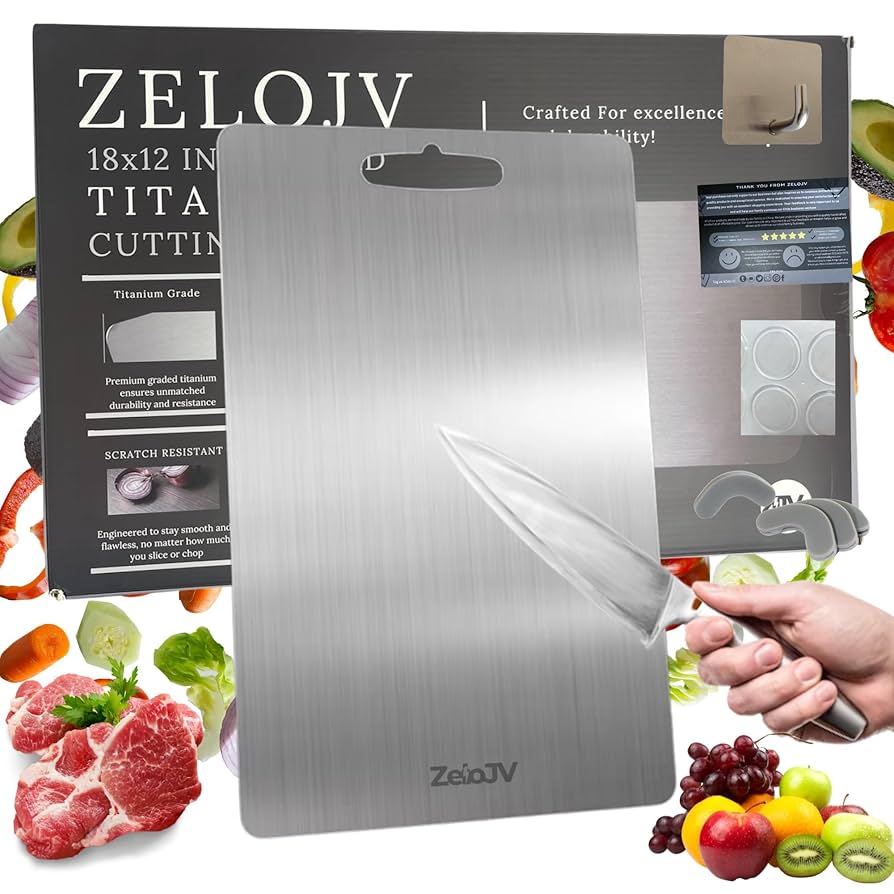
Are you wondering if metal cutting boards are safe to use in your kitchen? With so many options available, it’s easy to feel confused about which cutting board will keep your food fresh and your knives sharp.
You want something durable, easy to clean, and safe for your family’s health. But does metal fit the bill? Keep reading to discover the truth about metal cutting boards and whether they are the right choice for your cooking needs.
You might be surprised by what you learn next.
Safety Concerns With Metal Cutting Boards
Metal cutting boards are popular for their durability and easy cleaning. Still, many people worry about their safety in kitchens.
It is important to understand the safety concerns linked to metal cutting boards. These concerns focus on health risks and cross-contamination.
Potential Health Risks
Metal cutting boards can develop scratches and dents from knives. These small damages may trap bacteria and germs.
Using metal boards with sharp cuts may cause tiny metal pieces to mix with food. This can be harmful if eaten.
- Scratches can hide bacteria
- Metal flakes may contaminate food
- Hard surfaces may dull knives quickly
Cross-contamination Issues
Metal cutting boards do not absorb liquids, which helps reduce bacteria growth. Still, cross-contamination can happen if boards are not cleaned well.
Using the same metal board for raw meat and vegetables without cleaning can spread harmful germs. This can cause foodborne illnesses.
- Always wash boards with hot, soapy water
- Use separate boards for meat and vegetables
- Sanitize boards after heavy use

Credit: finance.yahoo.com
Material Types And Their Impact
Metal cutting boards come in different materials. Each type affects safety and use in the kitchen.
Knowing the metal type helps you choose the safest and most durable cutting board.
Stainless Steel Boards
Stainless steel boards resist rust and stains. They are strong and easy to clean.
These boards do not absorb bacteria, making them safe for food preparation.
- Non-porous surface prevents bacteria build-up
- Easy to sanitize with soap and water
- Can dull knives faster than softer boards
- Durable and resistant to damage
Aluminum And Other Metals
Aluminum boards are lightweight but can scratch easily. They may wear out faster.
Other metals, like copper, have different properties. Some may react with acidic foods.
- Aluminum is soft and can get cut marks
- Scratches can harbor bacteria if not cleaned well
- Copper has natural antimicrobial traits
- Some metals may change food taste or color
Durability And Maintenance
Metal cutting boards are known for their long-lasting strength. They resist scratches and dents better than many other boards.
Proper care is important to keep them safe and looking good. Cleaning and maintenance affect their lifespan and hygiene.
Resistance To Bacteria
Metal cutting boards do not absorb liquids or food particles. This makes it hard for bacteria to grow inside the board.
- Non-porous surface stops bacteria buildup
- Easy to spot and clean any residue
- Do not crack or warp, avoiding hidden germs
- Stainless steel boards resist corrosion
Cleaning Techniques
Cleaning metal cutting boards is simple but must be done carefully to keep them safe.
| Cleaning Method | Details |
| Soap and Warm Water | Use a sponge to scrub all surfaces well |
| Disinfecting | Apply a mild bleach solution or vinegar to kill germs |
| Drying | Wipe dry immediately to prevent water spots or rust |
| Avoid Abrasive Tools | Do not use steel wool to avoid scratches |

Credit: www.amazon.com
Effects On Knife Blades
Metal cutting boards can affect your knife blades differently than wood or plastic boards. The hardness of metal changes how the blade wears down over time.
Understanding these effects helps you choose the right cutting board and knives for your kitchen.
Blade Wear And Tear
Metal cutting boards are harder than wood or plastic. This can cause knives to dull faster. The blade edge hits the hard surface, which wears it down quickly.
Repeated use on metal boards may lead to chips or small damages on the blade edge. You need to sharpen your knives more often when using metal boards.
- Faster dulling of blades
- Possible chipping of edges
- More frequent sharpening needed
Recommended Knife Types
Some knives handle metal boards better than others. Softer steel blades may wear out fast. Harder steel knives resist damage more effectively.
Knives with strong, durable edges are best for metal cutting boards. Japanese knives with harder steel can last longer. Avoid very soft blades for metal surfaces.
- High-carbon stainless steel knives
- Japanese-style knives with hard edges
- Knives with thick, strong blades
Comparisons With Other Cutting Boards
Metal cutting boards are different from wood and plastic ones. Each type has its own strengths and weaknesses.
Knowing how metal cutting boards compare helps you pick the right one for your kitchen.
Wood Vs Metal
Wood cutting boards are gentle on knives and have natural antimicrobial properties. Metal boards are very durable but can dull knives faster.
Wood boards absorb moisture, which can cause bacteria to grow if not cleaned well. Metal boards do not absorb liquids, making them easier to clean.
- Wood is softer and protects knife edges.
- Metal is hard and can damage knives.
- Wood needs more care to stay clean.
- Metal is easy to sanitize and resists stains.
Plastic Vs Metal
Plastic cutting boards are lightweight and affordable. Metal boards weigh more and last longer.
Plastic can get deep knife cuts where bacteria hide. Metal boards have a smooth surface that resists cuts and germs.
- Plastic boards are easy to replace when worn.
- Metal boards do not wear out easily.
- Plastic boards can stain and retain odors.
- Metal boards do not stain or smell.

Credit: organizemee.com
Expert Recommendations
Metal cutting boards offer durability and a modern look. Safety depends on proper use and care.
Experts share tips on using metal boards safely and when they are the best choice.
Best Practices For Use
Clean metal boards thoroughly after each use. Use hot, soapy water and dry them well.
- Avoid cutting on metal boards with very sharp knives to prevent blade damage.
- Do not use metal boards for raw meat without cleaning immediately after.
- Sanitize metal boards regularly to stop bacteria buildup.
- Check for any dents or sharp edges that can cause injury.
When To Choose Metal Boards
Metal boards work best in busy kitchens or for certain food types.
| Use Case | Reason to Choose Metal |
| Cutting acidic foods | Metal won’t absorb acids or stains |
| High heat tasks | Metal resists heat better than wood or plastic |
| Heavy-duty cutting | Metal boards are strong and long-lasting |
| Frequent cleaning | Metal is easy to clean and sanitize |
Frequently Asked Questions
Are Metal Cutting Boards Safe For Knives?
Metal cutting boards can be harsh on knife edges, causing them to dull quickly. They are durable and easy to clean, but not ideal for preserving sharpness. For knife longevity, consider using wooden or plastic boards, which are gentler on blades while still providing a hygienic surface.
Do Metal Cutting Boards Harbor Bacteria?
Metal cutting boards are non-porous, which makes them resistant to bacteria buildup. They are easy to clean and sanitize, reducing the risk of contamination. Unlike wooden boards, they don’t absorb moisture, making them a hygienic option for food preparation, especially for raw meats and seafood.
Can Metal Cutting Boards Be Used For All Foods?
Metal cutting boards are suitable for most foods, but they may scratch under heavy use. They are excellent for preparing vegetables, fruits, and cooked meats. However, avoid cutting hard items like bones, which could damage the board. Their smooth surface ensures easy cleaning, maintaining hygiene standards.
Are Metal Cutting Boards Dishwasher Safe?
Yes, most metal cutting boards are dishwasher safe, offering convenient cleaning. They withstand high temperatures without warping, unlike some plastic boards. Ensure your specific board is dishwasher friendly by checking the manufacturer’s guidelines. Regular cleaning in a dishwasher helps maintain hygiene and prolongs the board’s lifespan.
Conclusion
Metal cutting boards offer strong durability and easy cleaning. They do not absorb bacteria like wood or plastic. Still, they can dull knives faster than softer boards. Careful use and regular cleaning keep them safe for food. Consider your cooking style before choosing metal boards.
They suit certain tasks well but not all. Choosing the right cutting board helps keep your kitchen safe and clean.