Have you ever noticed ice forming on your air conditioner and wondered why it’s happening? When your AC starts to ice up, it can stop working properly and leave your home feeling uncomfortable.
Understanding what causes this problem can save you from expensive repairs and keep your system running smoothly. You’ll discover the main reasons your air conditioner might be freezing and simple steps you can take to fix it before it gets worse.
Keep reading to protect your comfort and avoid costly headaches.
Common Signs Of Ac Icing
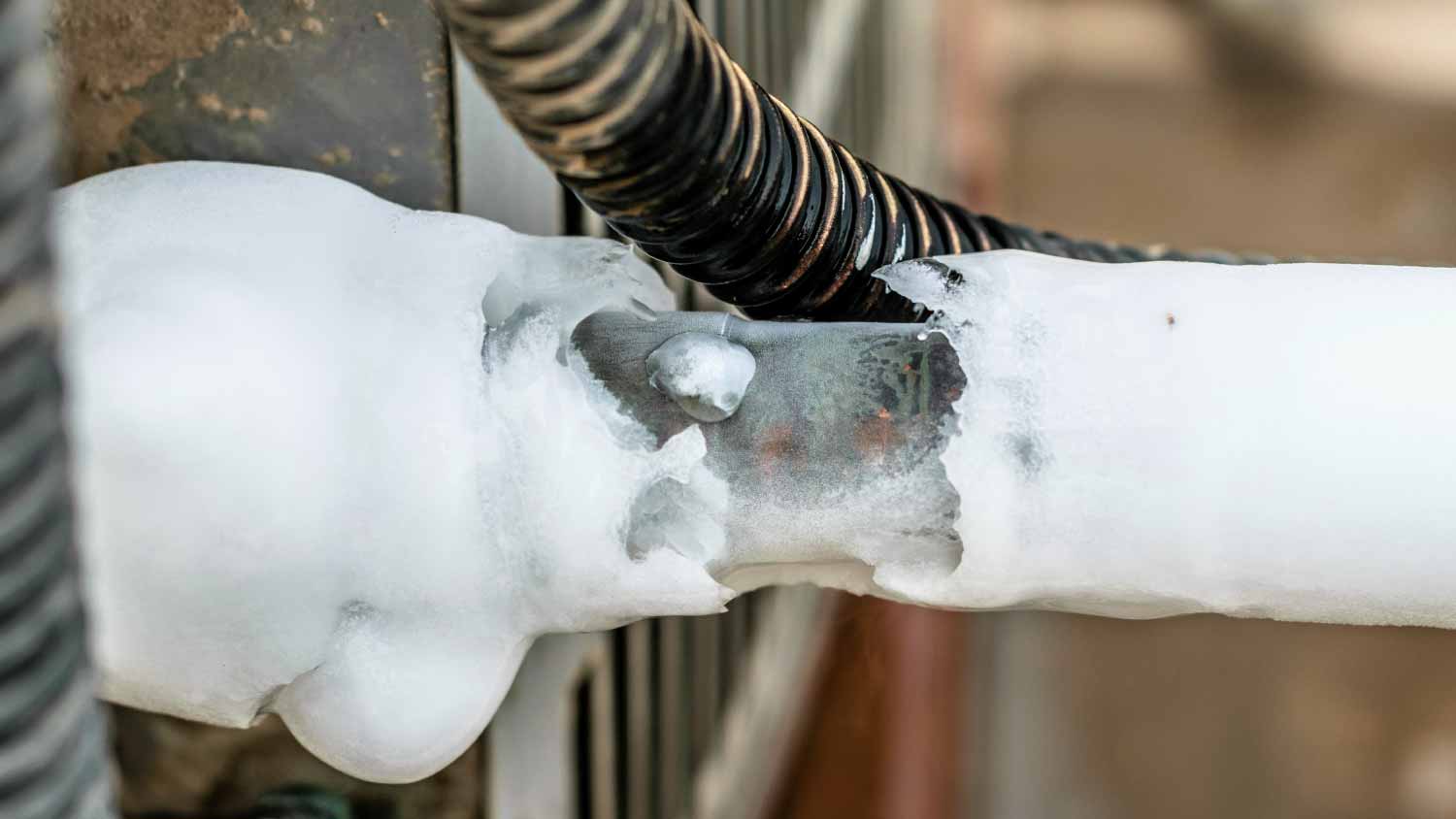
Visible iceon your AC unit is a clear sign of a problem. Ice may form on the evaporator coilor pipes. This happens when air flow is poor or refrigerant is low. The ice can block air and stop cooling.
Reduced cooling efficiencymeans the AC is not making the room cool enough. The unit runs longer but does not cool well. This can happen because ice blocks the coils, stopping heat from moving properly.
Unusual noiseslike hissing, rattling, or gurgling can occur. These sounds come from frozen parts or low refrigerant. Strange noises can warn you that the AC needs help before more damage happens.

Credit: www.delcohvac.com
Low Refrigerant Levels
Refrigerantis a key part of an air conditioner’s cooling process. It absorbs heat from inside the home and releases it outside. When refrigerant levels are too low, the system cannot absorb enough heat. This causes the evaporator coil to get too cold and ice can form on it.
Low refrigerant means less cooling power and more chance of freezing. The air conditioner may run longer but still cool less.
| Common Causes of Refrigerant Leaks |
|---|
| Corrosionon coils or pipes |
| Loose connectionsin the system |
| Puncturesor cracks in tubing |
| Wear and tearover time |
Poor Airflow Issues
Poor airflowcan cause an air conditioner to ice up. Clogged air filtersblock the flow of air, making the unit work harder and colder than usual. This can lead to ice buildup on the coils.
Blocked vents and registersstop air from moving freely through the system. When air cannot circulate, the evaporator coil gets too cold and freezes over.
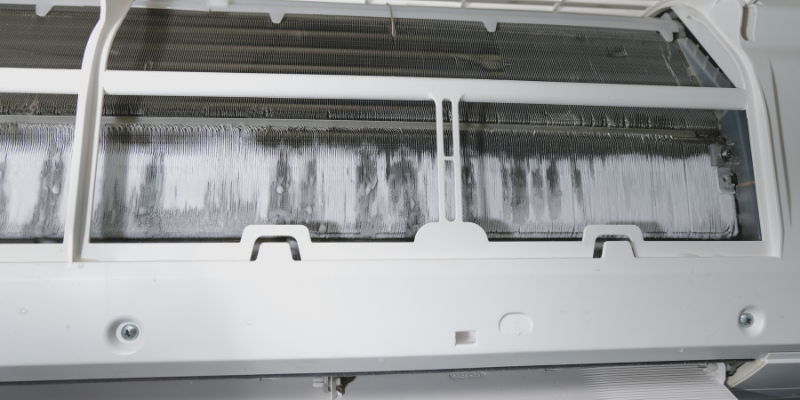
Dirty evaporator coilsalso reduce airflow. Dust and dirt on the coils act like insulation. This stops the heat exchange and causes the coils to freeze.
Thermostat And Temperature Settings
Low thermostat settingscan cause the air conditioner to ice up. When set too cold, the system runs longer than needed. This makes the coils too cold and causes ice to form. Ice blocks airflow and lowers cooling efficiency.
Thermostat malfunctionsalso lead to icing problems. A faulty thermostat may send wrong temperature signals. This causes the air conditioner to run nonstop or not stop cooling. Both cases can create ice buildup on the coils.
- Low thermostat settings make coils too cold.
- Long run times cause ice to form on coils.
- Faulty thermostats send incorrect temperature signals.
- Continuous running or improper stops create ice.
- Ice blocks airflow and reduces cooling power.
Mechanical Problems
Faulty blower motorcan cause poor air flow. This leads to cold air freezing on the coils. When air does not move well, ice forms quickly. It can stop the air conditioner from working properly.
Damaged expansion valvecontrols how much refrigerant flows into the coils. If it is stuck or broken, too much refrigerant flows. This makes the coils too cold and ice builds up. The air conditioner struggles to cool the home effectively.
Credit: www.angi.com
Environmental Factors
High humiditymakes air conditioners work harder. Moist air cools and forms frost on coils. This frost can turn into ice, blocking airflow. Ice buildup reduces cooling and can damage the unit. Keeping humidity low helps prevent icing problems.
Outdoor unit obstructions stop proper airflow. Leaves, dirt, and debris block air movement. This causes the unit to freeze up. Clear space around the unit for good air flow. Regular cleaning keeps the unit working well.
Maintenance Tips To Prevent Icing
Regular filter cleaninghelps air flow freely through the unit. Dirty filters block air, causing the system to freeze. Clean filters every month during heavy use. This simple step keeps your AC running smoothly and stops ice from forming.
Scheduled professional inspectionscatch small issues early. Experts check parts like coils and fans for damage. They can spot problems before ice builds up. Plan inspections once or twice a year for best results.
Ensuring proper refrigerant levelsis key for cooling efficiency. Low refrigerant causes the unit to work harder and freeze. A professional can check and refill refrigerant safely. Keeping levels right prevents icing and saves energy.

Credit: www.edsheatingandcooling.com
Frequently Asked Questions
Why Does An Air Conditioner Freeze Up?
An air conditioner can freeze due to restricted airflow, low refrigerant levels, or malfunctioning components. Blocked filters or vents can reduce airflow. Low refrigerant can cause coils to freeze. Malfunctions in fans or thermostats may also lead to icing. Regular maintenance helps prevent these issues.
How Can Blocked Airflow Cause Icing?
Blocked airflow restricts the system’s ability to exchange heat properly. This can cause the evaporator coils to become too cold and freeze. Dirty filters, closed vents, or obstructed ducts can lead to restricted airflow. Ensuring clean and open pathways is essential for optimal air conditioner performance.
What Role Does Refrigerant Play In Freezing?
Refrigerant absorbs heat from indoor air. If levels are low, it can cause the evaporator coil to freeze. This happens because the coil becomes too cold without enough heat to absorb. Regular checks and maintenance ensure proper refrigerant levels to avoid freezing issues.
Can Thermostat Issues Cause An Ac To Ice Up?
Yes, a malfunctioning thermostat can cause an AC to ice up. If the thermostat doesn’t properly detect room temperature, it may overcool the space. This can lead to freezing of the evaporator coils. Ensuring your thermostat functions correctly helps maintain balanced cooling and prevents icing.
Conclusion
An air conditioner icing up means it needs attention fast. Dirt, low refrigerant, or airflow problems often cause this issue. Regular cleaning and timely repairs keep your AC running smoothly. Don’t wait for ice to build up and cause damage.
Watch for signs like weak cooling or strange noises. Fixing small problems early saves money and stress later. Stay aware and keep your home cool and comfortable all year.