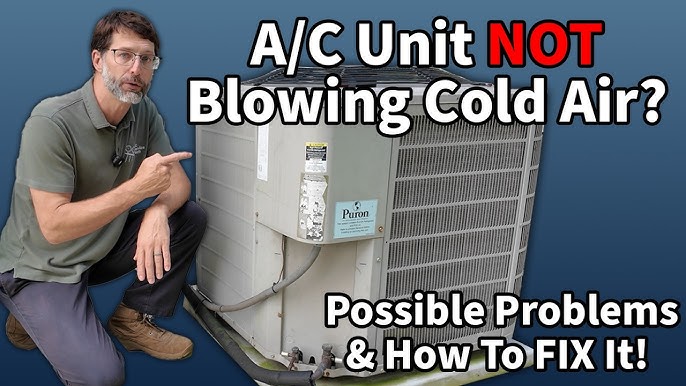
Is your air conditioner running but not blowing cool air? It’s frustrating when you expect a refreshing breeze, but instead, you get warm, uncomfortable air.
You might be wondering why this is happening and what you can do about it. Understanding the common reasons behind this problem can save you time, money, and stress. Keep reading to discover the simple fixes and expert tips that will help you get your AC back to cooling your home efficiently.
Don’t suffer through the heat—find out what’s wrong and how to fix it now.

Credit: www.youtube.com
Common Causes Of Warm Air
Dirty air filtersblock airflow, making the air conditioner blow warm air. Filters collect dust and dirt over time. Cleaning or replacing filters helps air flow freely and cools the room better.
Refrigerant leaksreduce the cooling power of the air conditioner. Low refrigerant means the system cannot absorb heat well. A professional should fix leaks and refill refrigerant to restore cooling.
Thermostat issuescan cause incorrect temperature readings. If the thermostat is set wrong or broken, the AC might not cool properly. Checking and fixing the thermostat can solve this problem.
Blocked condenser unitstops heat from escaping outside. Leaves, dirt, or debris around the unit reduce its efficiency. Cleaning the condenser unit regularly helps the air conditioner cool better.
Easy Diy Checks
Dirty air filters block airflow and reduce cooling. Check filters every month. Clean or replace them if clogged. This helps air move freely.
Thermostat issues can stop cool air. Try resetting it by turning it off and on again. Set the temperature lower than room temperature to start cooling.
Debris like leaves and dirt near the outdoor unit can block air flow. Clear around the unit to improve performance. Keep at least two feet clear space around it.
Quick Fixes To Try
Dirty or clogged filtersblock airflow and reduce cooling. Replace or clean air filters every 1-3 months. Clean filters help the AC work better and last longer.
Check the thermostat settings. Set it to cool modeand lower the temperature below room level. Sometimes, the thermostat might be set too high or off.
Condenser coilsoutside can get dirty or covered with debris. Clean coils improve heat exchange and cooling power. Use a soft brush or garden hose to remove dirt gently.
Credit: www.tomsguide.com
When To Call A Professional
Refrigerant problems need expert care. Handling refrigerant requires special tools and knowledge. Low or leaking refrigerant stops cool air from coming out. A professional checks for leaks and refills the refrigerant safely.
Electrical component issues can cause your air conditioner to fail. Faulty wiring, blown fuses, or bad capacitors need careful testing. Professionals use tools to find and fix these electrical problems quickly and safely.
Compressor malfunctions are serious. The compressor helps cool the air by moving refrigerant. If it breaks or gets stuck, the AC won’t blow cold air. Repairing or replacing a compressor is complex and needs a trained technician.
Preventive Tips For Cooler Air
Keeping your air conditioner cool starts with a regular maintenance schedule. Clean or replace filters every month during heavy use. Check the coils and fins for dirt and debris. Make sure the drain channels are clear to prevent moisture build-up.
Proper thermostat placement matters a lot. Place the thermostat away from direct sunlight and heat sources. This helps it read the room temperature accurately, so the AC cools efficiently.
Ensuring adequate insulation in your home keeps cool air inside and hot air out. Seal cracks around windows and doors. Use weather stripping or caulk to block warm air from entering your space.

Credit: www.youtube.com
Frequently Asked Questions
Why Is My Ac Not Cooling My Home?
There could be several reasons why your AC isn’t cooling. Common causes include dirty filters, blocked vents, or low refrigerant levels. Ensure your thermostat is set correctly. Regular maintenance can help prevent these issues and keep your AC functioning efficiently.
What Causes Low Refrigerant In Ac?
Low refrigerant can occur due to leaks or improper installation. If your AC is not cooling, a professional should check for leaks. Regular maintenance can help identify and fix leaks early, ensuring optimal performance.
How Often Should Ac Filters Be Changed?
Change your AC filters every 1 to 3 months for optimal performance. Dirty filters can restrict airflow, causing your AC to work harder. Regularly replacing filters can improve efficiency and extend your AC’s lifespan.
Can A Dirty Condenser Affect Cooling?
Yes, a dirty condenser can impact cooling efficiency. Dirt and debris can block airflow, reducing cooling capacity. Regular cleaning of the condenser unit can help maintain efficient cooling and prevent potential damage.
Conclusion
Your air conditioner may stop blowing cool air for several reasons. Cleaning or replacing filters can help fix the issue. Checking the thermostat settings is also important. Sometimes, the refrigerant level might be low. Regular maintenance keeps your AC working well.
Small problems can turn into big repairs if ignored. Acting quickly saves money and keeps you comfortable. Stay aware of signs your AC needs attention. A cool home is possible with simple care and timely fixes.