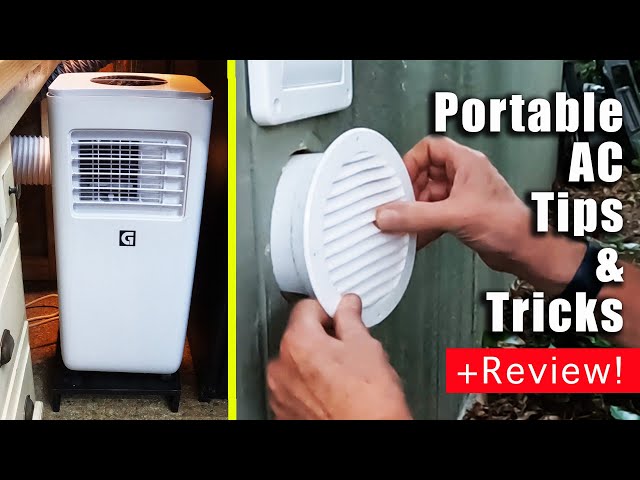
Are you thinking about getting a portable air conditioner but wonder how it keeps your room cool without a permanent setup? Understanding how portable air conditioners vent can save you from common mistakes and help you use your unit efficiently.
If you want to keep your space comfortable without sweating over complicated installation, this guide is for you. Let’s dive into how these handy devices work behind the scenes to cool your room and what you need to know to make the most of your portable AC.

Credit: www.reddit.com
How Portable Acs Vent Air
The exhaust hoseis key to venting hot air outside. It connects the portable AC to a window or vent. Hot air moves through the hose and leaves the room. This keeps the indoor air cool and fresh.
The air intake processpulls warm room air into the AC. Inside, the air passes over cold coils. This cools the air before it blows back into the room. The intake lets the AC keep cooling continuously.
The heat removal mechanismworks by moving heat from inside to outside. The AC uses a refrigerant that absorbs heat from the air. This heat travels through the exhaust hose and exits outside. This process stops heat from building up indoors.

Credit: www.amazon.ca
Types Of Venting Options
Window vent kitsare the most common way to vent portable air conditioners. They come with a hose that connects the unit to a window panel. The panel fits in the window gap and lets hot air flow outside. This keeps your room cool and fresh.
Sliding door adaptorswork like window kits but fit sliding doors. The adaptor fills the space where the door slides open. It makes a good seal so hot air cannot come back inside. This option is good for rooms with sliding glass doors.
Through-the-wall ventingrequires cutting a hole in the wall. The vent hose goes through this hole to the outside. This setup is more permanent and keeps the vent hose out of sight. It helps save window space and looks cleaner.
Choosing The Right Vent Location
Choose a vent location where the air can flow freely. Avoid placing vents near curtains, furniture, or walls. These objects block the hot air and reduce cooling power.
Make sure the vent hose is straight and not bent. Bends can stop the hot air from leaving the room. Keep the hose short to help the air move smoothly.
Think about the room layout. Place the vent near a window or sliding door for easy air exit. Avoid venting into another room, as it will not cool the space properly.
- Avoid obstructions:Curtains, shelves, and large furniture block airflow.
- Proper airflow:Keep vent hose straight and short.
- Room layout:Vent near window or door for best results.
Common Venting Mistakes To Avoid
Using a hose that is too long can reduce your portable air conditioner’s efficiency. The longer the hose, the harder it is for hot air to exit. Keep the hose as short and straight as possible to help the unit work better.
Sealing the vent poorly lets warm air leak back inside. Gaps around the vent hose or window kit cause energy loss. Make sure to use strong tape or foam to close all openings tightly.
Ignoring vent maintenance can cause problems over time. Dust and dirt buildup block airflow and strain the unit. Clean the hose and window vent regularly to keep air flowing freely.
Tips For Maximizing Vent Efficiency
Using insulated hoseshelps keep the air cool and stops heat from entering. These hoses reduce energy waste and improve the air conditioner’s performance. Keep hoses as short as possible for better airflow.
Regular cleaning removes dust and dirt that block vents. Clean filters and hoses every few weeks to keep air flowing smoothly. This helps the unit work well and last longer.
Minimizing heat gain inside the room lowers the cooling load. Close curtains during sunny hours and avoid using heat-producing appliances. This keeps the room cooler and helps the air conditioner work less.

Credit: www.amazon.ca
Energy Saving Strategies
Setting the thermostat to a comfortable temperature saves energy. Keep it around 78°F (25°C)when home. Raise it a few degrees when away to reduce power use. Avoid setting it too low; it uses more energy and cools too fast.
Use the air conditioner during cooler parts of the day. Early morning and late evening are best. Running it less in hot afternoon hours cuts electricity use. A timer or smart plug helps control usage times easily.
- Use fans to move cool air.
- Close curtains to block sunlight.
- Seal doors and windows to keep air inside.
- Turn off other heat sources like lights and ovens.
Frequently Asked Questions
How Do Portable Acs Vent Out Hot Air?
Portable air conditioners vent hot air through a flexible exhaust hose. This hose is typically directed out a window. Proper venting ensures efficient cooling by removing hot air. Portable AC units often include a window kit for easy installation.
Can Portable Acs Vent Without A Window?
Yes, portable ACs can vent without a window using alternative methods. Options include venting through a sliding door or wall. Some users opt for drop ceilings or dryer vents. Ensure the exhaust has a clear pathway to remove hot air effectively.
What Types Of Vents Do Portable Acs Use?
Portable ACs primarily use single or dual hose vent systems. Single hose models expel hot air through one exhaust hose. Dual hose units have separate intake and exhaust hoses. This improves efficiency by preventing negative air pressure in the room.
Are Window Kits Necessary For Venting?
Yes, window kits are crucial for proper venting of portable ACs. They securely hold the exhaust hose in place. This ensures that hot air exits the room efficiently. Window kits are adjustable to fit various window sizes and types.
Conclusion
Portable air conditioners vent hot air outside through a hose. This hose usually connects to a window or wall. It keeps your room cool by removing warm air. Proper venting helps the unit work well and saves energy. Always check that the hose is not blocked or bent.
This simple step improves cooling and extends the unit’s life. Understanding venting helps you enjoy a cooler, more comfortable space.