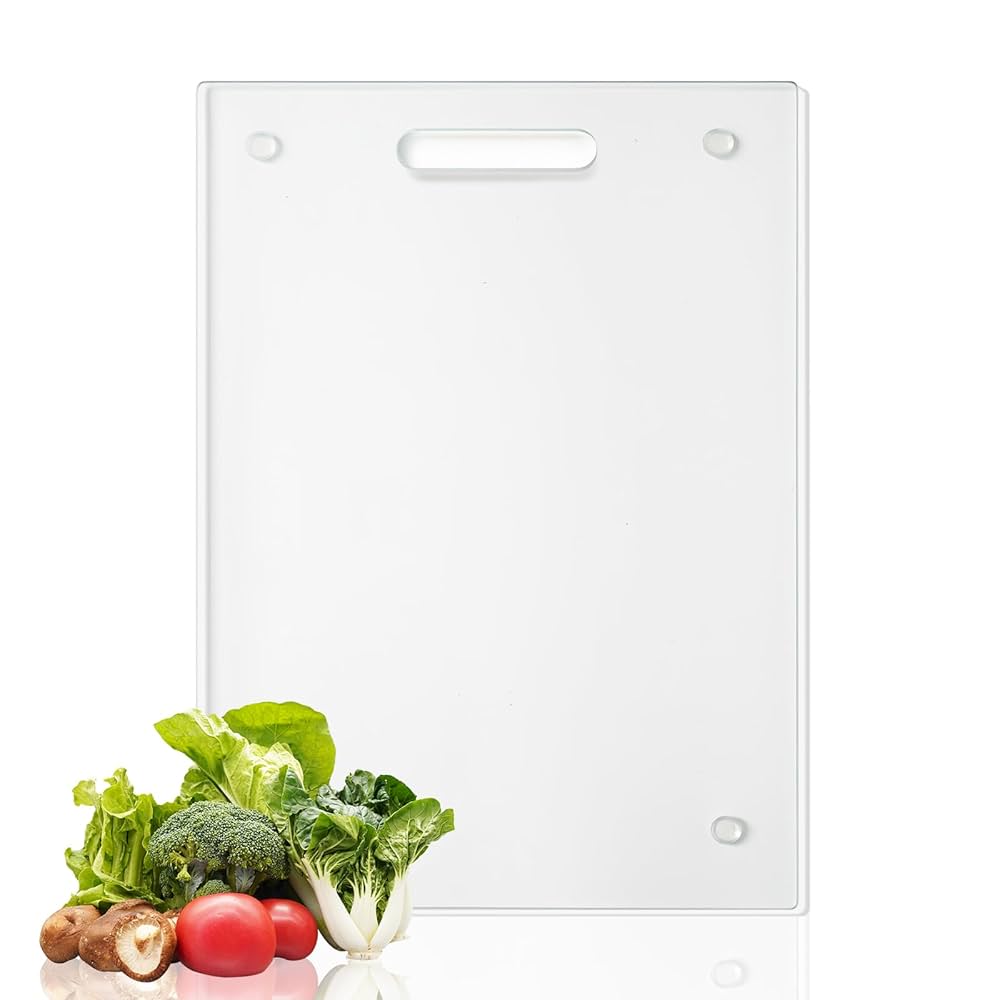
Are you worried about the safety of your kitchen tools? When it comes to glass cutting boards, you might wonder if they are truly non-toxic and safe for your family.
After all, you want to prepare meals without any hidden risks. You’ll discover the truth about glass cutting boards, what makes them safe or not, and how to choose the best one for your kitchen. Keep reading to protect your health and make smarter choices every time you cook.

Credit: www.amazon.com
Materials Used In Glass Cutting Boards
Glass cutting boards are popular kitchen tools. Many people wonder if they are safe and non-toxic.
The materials used in glass cutting boards affect their safety and durability. Understanding these materials helps you choose the right board.
Types Of Glass
Most glass cutting boards use tempered glass. Tempered glass is stronger than regular glass. It resists breaking and chipping.
Some boards use borosilicate glass. This glass handles heat well and is less likely to crack.
- Tempered glass is tough and safe for cutting.
- Borosilicate glass resists heat and thermal shock.
- Both types do not release harmful chemicals.
Manufacturing Process
Tempered glass cutting boards start as regular glass sheets. They heat the glass until soft, then cool it quickly.
This cooling creates strong compression on the surface. It makes the glass more durable and safer to use.
- The glass is cleaned and polished.
- It is heated to about 620°C (1148°F).
- Rapid cooling strengthens the glass.
- Some boards add a non-toxic coating for extra safety.

Credit: www.foodandwine.com
Chemical Safety Of Glass Boards
Glass cutting boards are popular in kitchens. Many people wonder if they are safe to use. Safety means no harmful chemicals in the boards.
This section looks at the chemical safety of glass boards. It explains if they have harmful substances or if chemicals can leak from them.
Presence Of Harmful Substances
Glass boards are made from tempered glass. This type of glass is usually free from chemicals like BPA or phthalates. These chemicals can be harmful in some plastic boards.
Since glass is made from natural materials like sand, it does not have added toxins. This makes glass boards safer for food contact than many plastic options.
Potential For Chemical Leaching
Leaching means chemicals move from the board to your food. Glass boards do not leach chemicals because glass is non-porous. It does not absorb liquids or chemicals.
Even with heat or cutting, glass keeps its chemical structure. This reduces the risk of any harmful substances mixing with your food.
Health Impacts Of Glass Cutting Boards
Glass cutting boards are popular for their sleek look and easy cleaning. Many wonder if they are safe and non-toxic for daily use.
This article explores how glass boards affect health, especially about bacteria and food safety.
Bacterial Growth And Hygiene
Glass cutting boards have a smooth surface that does not absorb liquids. This makes it hard for bacteria to hide or grow.
Unlike wood, glass does not get deep cuts that trap germs. Regular washing can remove most bacteria easily.
- Non-porous surface limits bacteria growth
- Easy to clean with soap and water
- Does not retain odors or stains
- Less chance of cross-contamination
Impact On Food Safety
Glass boards stay cleaner longer, which helps keep food safe. They do not release harmful chemicals during use.
Because glass is non-toxic, it is safe for cutting fruits, vegetables, and meats. Careful cleaning prevents bacteria from spreading.
- No toxic substances leach into food
- Reduces risk of foodborne illness
- Safe for all types of food preparation
- Can be sanitized with hot water or disinfectants
Credit: www.walmart.com
Durability And Maintenance
Glass cutting boards are popular for their clean look and easy cleaning. Their durability depends on how you use and maintain them.
Knowing how to care for glass boards helps them last longer and stay safe for food preparation.
Resistance To Scratches And Cuts
Glass cutting boards resist scratches better than plastic boards. But they can still chip or crack if dropped or hit hard.
- Use knives carefully to avoid chipping the glass surface.
- Avoid cutting on the edges to prevent cracks.
- Do not use heavy cleavers or sharp tools that may damage the board.
- Inspect the board regularly for any damage before use.
Cleaning And Sanitizing Tips
Cleaning glass boards is easy, but proper steps keep them safe and hygienic for food use.
| Cleaning Method | Instructions |
| Dishwasher | Place board on top rack for thorough cleaning. |
| Hand Wash | Use warm soapy water and a soft sponge. |
| Sanitizing | Use diluted bleach or vinegar solution; rinse well afterward. |
| Drying | Air dry or use a clean towel to prevent moisture buildup. |
Comparison With Other Cutting Boards
Choosing the right cutting board is important for safety and hygiene. Glass cutting boards are popular, but how do they compare with others? This section looks at wood and plastic boards versus glass ones.
Each material has unique features. Understanding these helps you pick a non-toxic and practical cutting board for your kitchen.
Wood Vs Glass
Wood boards are natural and gentle on knives. Glass boards are hard and non-porous. Both have pros and cons related to health and use.
| Wood Cutting Boards | Glass Cutting Boards | |
| Surface | Porous, absorbs moisture | Non-porous, smooth and hard |
| Knife Friendliness | Gentle, less dulling | Hard, dulls knives quickly |
| Cleaning | Needs thorough washing and drying | Easy to clean, dishwasher safe |
| Bacteria Risk | Can harbor bacteria if not dried | Less risk due to non-porous surface |
| Toxicity | Natural, non-toxic if untreated | Non-toxic glass, no chemicals leach |
Plastic Vs Glass
Plastic boards are common and affordable. Glass boards offer a sleek look and easy cleaning. Both differ in safety and durability.
- Plastic:Lightweight, can get deep cuts that trap bacteria.
- Glass:Does not absorb liquids, easy to sanitize.
- Plastic:Some types may contain harmful chemicals.
- Glass:Made from inert materials, safe for food contact.
- Plastic:Can warp or stain over time.
- Glass:Resistant to stains and odors.
User Experience And Practicality
Glass cutting boards are popular in many kitchens. People often ask if they are safe and practical to use. This article looks at two key points: knife friendliness and weight handling.
Understanding these factors helps you decide if glass boards fit your cooking needs. Let’s explore how they affect your daily kitchen work.
Knife Friendliness
Glass cutting boards are very hard and smooth. This surface can dull knives faster than wood or plastic boards. The sharp edges of your knives can chip or wear down from the hard glass.
- Glass does not absorb moisture or odors.
- The hard surface may cause knife blades to lose sharpness quickly.
- Some users find it less forgiving on knives compared to softer boards.
- Regular sharpening is needed to keep knives effective.
Weight And Handling
Glass cutting boards tend to be heavier than other types. Their weight can affect how easy they are to move and clean. Some people like the steady feel, while others find them bulky.
| Feature | Glass Cutting Board | Wood Cutting Board | Plastic Cutting Board |
|---|---|---|---|
| Average Weight | Heavy (3-5 lbs) | Medium (2-4 lbs) | Light (1-3 lbs) |
| Ease of Handling | Less flexible, can slip | Good grip, stable | Lightweight, sometimes slides |
| Cleaning | Easy to clean, dishwasher safe | Needs hand washing | Dishwasher safe |
Environmental Impact
Glass cutting boards are common kitchen tools. People wonder about their effects on the environment. This section looks at how glass cutting boards affect the earth.
We will focus on two main points: recyclability and sustainability. These show if glass boards are eco-friendly or not.
Recyclability
Glass is one of the easiest materials to recycle. Most glass cutting boards can be recycled if they are clean and free of coatings. Recycling glass saves energy and reduces waste in landfills.
- Glass can be melted down and reused many times.
- Recycling glass reduces the need for raw materials like sand.
- It lowers greenhouse gas emissions compared to making new glass.
- Some recycling centers accept glass cutting boards, but check local rules.
Sustainability Considerations
| Factor | Impact |
| Raw Materials | Glass uses natural sand, which is abundant but non-renewable. |
| Energy Use | Manufacturing glass needs high heat, which uses a lot of energy. |
| Durability | Glass cutting boards last a long time and resist scratches. |
| Waste | Broken glass boards can cause waste if not recycled. |
Choosing glass cutting boards with recycled content can reduce environmental harm. Reusing old boards or recycling them helps keep materials in use.
Frequently Asked Questions
Are Glass Cutting Boards Safe For Food Use?
Yes, glass cutting boards are safe for food use. They are non-porous, preventing bacteria absorption. They do not contain harmful chemicals or toxins. Ensure your glass board is made from tempered glass for durability. Regular cleaning with soap and water keeps it hygienic.
Do Glass Cutting Boards Contain Harmful Chemicals?
No, glass cutting boards do not contain harmful chemicals. They are made from tempered glass, which is non-toxic. This makes them a safe choice for cutting food. Always choose high-quality glass boards to ensure safety and durability in your kitchen.
Can Glass Cutting Boards Harbor Bacteria?
Glass cutting boards are non-porous and do not harbor bacteria. Their smooth surface makes cleaning easy and effective. Regular washing with soap and hot water prevents bacterial growth. Unlike wood or plastic, they resist stains and odors, keeping your kitchen hygienic.
Are Glass Cutting Boards Environmentally Friendly?
Yes, glass cutting boards are environmentally friendly. They are made from recyclable materials and are long-lasting. Unlike plastic, they don’t contribute to landfill waste. By choosing glass, you’re opting for a sustainable kitchen tool. Proper care extends their lifespan, reducing environmental impact.
Conclusion
Glass cutting boards do not release harmful chemicals during use. They stay clean and do not absorb bacteria easily. Their smooth surface makes washing simple and quick. Still, they can dull knives faster than wood or plastic boards. Choosing glass boards means balancing safety and knife care.
Many find them a good option for a non-toxic kitchen. Always clean boards well to keep food safe. Glass cutting boards offer a clear, safe surface for food prep.