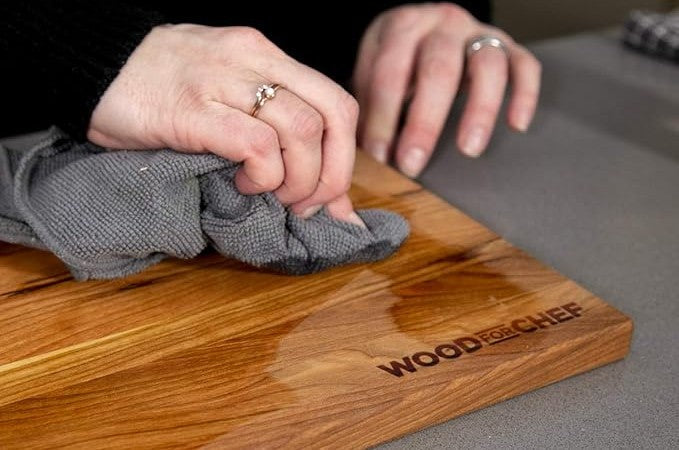
Your cutting board is more than just a kitchen tool—it’s where your meals begin. But are you treating it right?
If you want your cutting board to stay clean, safe, and last for years, knowing how to care for it properly is key. You’ll discover simple, effective tips that protect your board from damage and bacteria. Keep reading, and you’ll learn how a little care can make a big difference every time you cook.
Choosing The Right Cutting Board
Picking a good cutting board helps keep your kitchen safe and clean. It also protects your knives and makes food prep easier.
Different materials, sizes, and surfaces affect how well a cutting board works. Learn what to look for before you buy.
Wood Vs Plastic Options
Wood and plastic are the most common cutting board materials. Each has good and bad points for cleaning and durability.
- Wood:Strong and gentle on knives. Can last long with oiling. Needs careful cleaning to avoid germs.
- Plastic:Easy to clean and dishwasher safe. Can get deep cuts that trap bacteria. Usually cheaper than wood.
Size And Thickness Considerations
Choose a cutting board size that fits your kitchen space and cooking habits. Thickness affects stability and weight.
| Size | Use |
| Small (up to 12” x 8”) | Good for quick tasks and small kitchens |
| Medium (up to 18” x 12”) | Best for everyday chopping and slicing |
| Large (over 18” x 12”) | Ideal for big meals and multiple ingredients |
| Thickness | Effect |
| Thin (less than 0.5”) | Lighter but may slip during use |
| Thick (over 0.75”) | Heavier and more stable, lasts longer |
Surface Texture Impact
Surface texture changes how your knife moves and cleans the board. Smooth or grooved surfaces serve different needs.
- Smooth surface:Easy to clean and good for cutting fruits and vegetables.
- Grooved surface:Catches juices from meat and prevents slipping.
- Rough surface:Can dull knives faster and trap food particles.

Credit: www.haileyhome.com
Cleaning Techniques
Keeping your cutting board clean helps it last longer. Good cleaning stops germs from spreading to your food.
Use easy methods to wash, stain, and sanitize your cutting board. This keeps it safe and looking good.
Daily Washing Routine
Wash your cutting board right after use. Use warm water and soap to remove food bits and oils.
- Rinse board under warm water
- Apply dish soap and scrub with a sponge
- Rinse thoroughly to remove soap
- Dry with a clean towel or air dry upright
Dealing With Stubborn Stains
Sometimes stains stay after washing. Use natural products to clean tough marks without damage.
Try this simple method:
- Sprinkle baking soda on the stain
- Rub with a cut lemon to lift the mark
- Let sit for 5 minutes
- Rinse with warm water and dry
Sanitizing Methods
Sanitize your cutting board to kill bacteria. Use safe and easy solutions after washing.
| Sanitizing Method | How to Use |
| White Vinegar | Wipe board with vinegar and air dry |
| Hydrogen Peroxide | Spray, wait 5 mins, then rinse |
| Bleach Solution | Mix 1 tsp bleach with 1 cup water, soak 1 min, rinse well |
Preventing Damage
Taking care of your cutting board helps it last longer. Avoiding damage keeps it safe and clean for food.
Simple habits protect your cutting board from cracks, stains, and warping. Follow these tips to keep it in good shape.
Avoiding Excess Moisture
Water can cause wood cutting boards to crack or warp. Avoid soaking your board or leaving it wet for a long time.
- Wash the board with warm, soapy water quickly after use.
- Dry the board immediately with a clean towel.
- Do not put wooden boards in the dishwasher.
- Store the board standing up to air dry fully.
Using Both Sides
Using both sides of your cutting board helps it wear evenly. This prevents deep grooves on one side.
| Side | Purpose |
| Side One | Use for cutting fruits and vegetables |
| Side Two | Use for cutting meat and other foods |
Proper Cutting Tools
Using the right knives protects the board from deep cuts. Dull or heavy blades can damage the surface.
- Use sharp knives to make clean cuts.
- Avoid cleavers or heavy knives on soft boards.
- Do not chop bones or hard items on the board.
- Regularly sharpen your knives for better cutting.

Credit: www.amazon.ca
Maintenance Tips
Taking care of your cutting board helps it last longer and stay safe for food. Regular maintenance keeps the board clean and smooth.
Simple steps like oiling, sanding, and proper storage protect your board from damage and warping.
Oiling And Conditioning
Oiling your cutting board prevents it from drying out and cracking. Use food-safe mineral oil or conditioning cream.
Apply oil evenly with a clean cloth. Let it soak in for a few hours or overnight. Wipe off any extra oil.
- Oil the board once a month or when it looks dry
- Use only food-safe oils to avoid contamination
- Condition with beeswax for extra protection
Sanding And Refinishing
Sanding smooths out deep cuts and removes stains. Use fine-grit sandpaper to avoid damaging the wood.
After sanding, clean the board and apply oil to restore its surface. This keeps the board safe and nice to use.
- Sand only when the surface feels rough or stained
- Use 120 to 220 grit sandpaper for best results
- Always oil the board after sanding
Storage Best Practices
Store your cutting board in a dry place to avoid warping. Keep it away from direct sunlight and heat sources.
Store the board upright to let air circulate around it. Avoid stacking heavy items on top of the board.
- Keep the board in a cool, dry area
- Store upright or on a rack for airflow
- Do not leave the board in water or damp places
Signs It’s Time To Replace
Cutting boards are important kitchen tools. They help you prepare food safely and cleanly. Over time, cutting boards wear out and need replacing.
Knowing when to replace your cutting board keeps your kitchen safe. Look for these common signs to decide if it is time.
Deep Cracks And Gouges
Deep cracks and gouges happen from heavy chopping or knife use. These cuts can hide bacteria and make cleaning hard.
If you see deep cuts that do not smooth out after sanding, it is time to get a new board. These cracks can grow and cause contamination.
Persistent Odors
Sometimes cutting boards keep bad smells even after washing. This means bacteria or mold may be inside the board.
If odors do not go away, cleaning will not fix the problem. A board with a strong smell should be replaced to keep food safe.
Warping And Splitting
Warping happens when a cutting board bends or twists. Splitting means the board cracks apart along the edges or surface.
Both warping and splitting make the board unstable and unsafe. If your cutting board changes shape or breaks, it is time to replace it.

Credit: food52.com
Frequently Asked Questions
How Often Should I Oil My Cutting Board?
It’s best to oil your cutting board every 3-4 weeks. Regular oiling prevents cracking and keeps the board hydrated. Use food-grade mineral oil for best results. Make sure the board is clean and dry before applying oil. This routine will enhance the board’s longevity.
Can I Put My Cutting Board In The Dishwasher?
No, avoid putting cutting boards in the dishwasher. The heat and water can cause warping and cracking. Instead, hand wash with warm, soapy water. Rinse thoroughly and let it air dry upright. This method preserves the board’s quality and lifespan.
What Is The Best Way To Sanitize A Cutting Board?
Sanitize your cutting board using a mixture of vinegar and water. Spray the solution on the board and let it sit for five minutes. Rinse with warm water and dry thoroughly. This method is effective and safe for wooden and plastic boards.
How Do I Remove Stains From My Cutting Board?
To remove stains, sprinkle salt or baking soda on the board. Scrub gently with a lemon half, using circular motions. Rinse with warm water and dry completely. This natural method is effective and keeps your board looking fresh.
Conclusion
Taking care of your cutting board keeps it safe and lasts longer. Clean it well after each use. Dry it fully to stop cracks and warping. Oil the board regularly to keep wood healthy. Avoid harsh chemicals that can damage the surface.
Small steps protect your board and food safety. A good cutting board makes cooking easier and safer. Treat it right, and it will serve you well. Simple care keeps your kitchen tools in top shape.