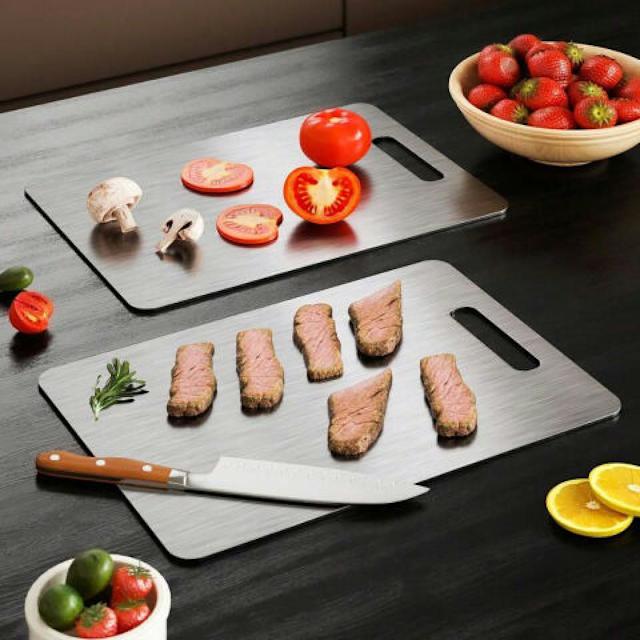
Choosing the right cutting board might seem simple, but it can have a big impact on your health and kitchen safety. You might not realize that some cutting boards can harbor bacteria or even damage your knives.
So, how do you know which cutting boards are truly safe for you and your family? You’ll discover the best materials to look for, what to avoid, and easy tips to keep your cutting boards clean and secure. Keep reading—your kitchen and your health will thank you.
Materials Matter
Choosing the right cutting board is important for safety and food hygiene. Different materials affect cleanliness and durability.
Some materials resist bacteria better, while others last longer or are easier to clean. Understanding these options helps you pick a safe board.
Wooden Boards: Pros And Cons
Wooden boards are popular and look nice in kitchens. They are gentle on knives and can last many years.
Wood can absorb liquids and germs if not cleaned well. Regular oiling helps keep wood from drying out and cracking.
- Good: Durable, knife-friendly, natural material
- Bad: Can trap bacteria, needs regular care
Plastic Boards: Safety And Care
Plastic boards are easy to clean and often dishwasher safe. They do not absorb liquids like wood does.
Plastic can get deep cuts that hold bacteria. Replace boards when they become very scratched.
- Good: Easy to sanitize, lightweight, affordable
- Bad: Scratches hold germs, less durable over time
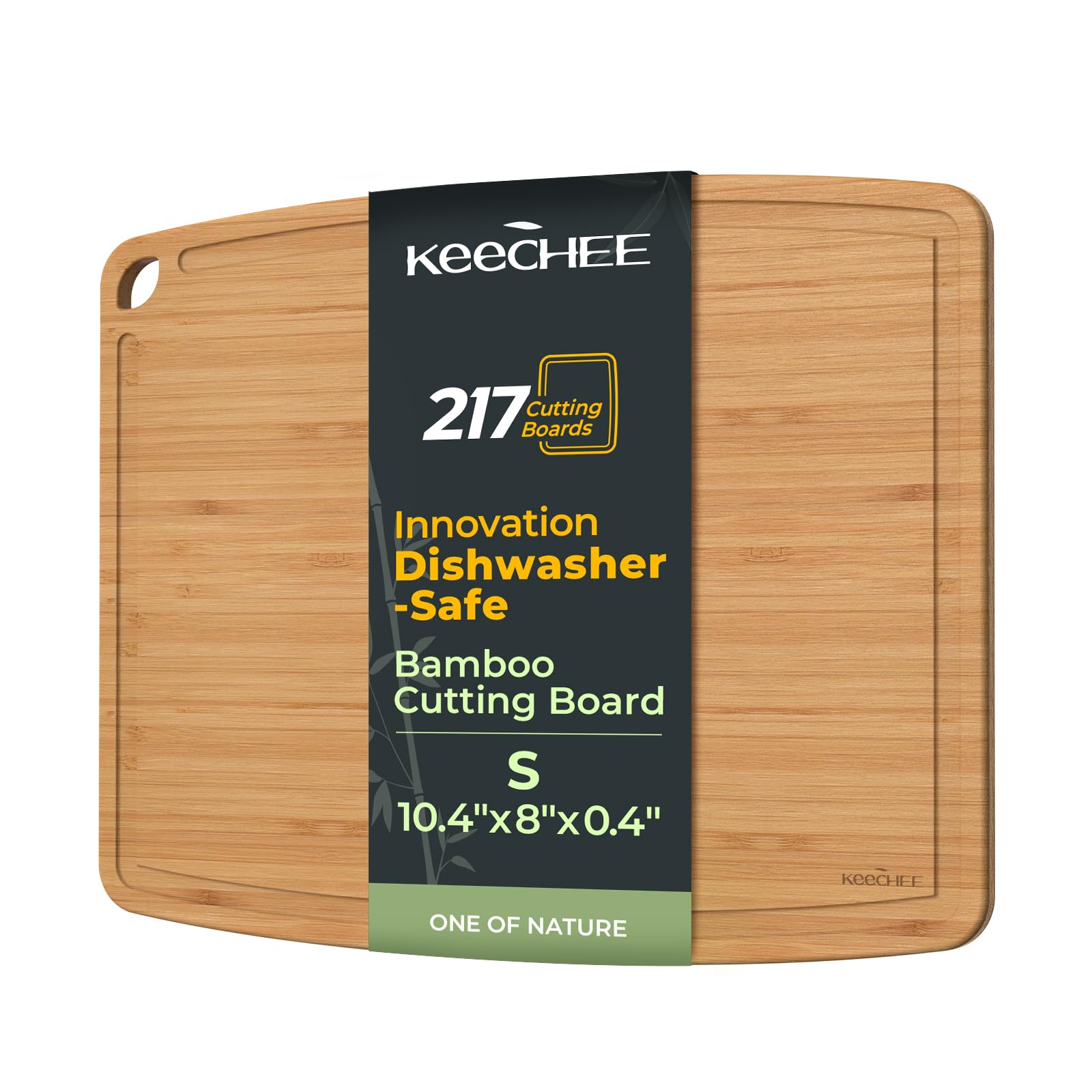
Bamboo Boards: Eco-friendly Choice
Bamboo is a fast-growing grass that makes strong boards. It is harder than wood but still gentle on knives.
Bamboo resists water better than wood but needs oiling to last. It is a natural and eco-friendly option.
- Good: Renewable, durable, water-resistant
- Bad: Can dull knives faster, needs maintenance
Composite And Resin Boards
Composite boards mix wood fibers and resin for strength. They are hard and often dishwasher safe.
These boards resist stains and cuts well. They do not absorb water or bacteria easily.
- Good: Durable, easy to clean, stain-resistant
- Bad: Can be hard on knives, heavier than wood
Glass And Marble: Are They Safe?
Glass and marble boards look stylish and are easy to clean. They do not absorb bacteria or stains.
These materials are very hard and can dull knives quickly. They may also break or chip if dropped.
- Good: Non-porous, easy to sanitize, stylish
- Bad: Dulls knives fast, can break or chip
Credit: www.amazon.ca
Health And Hygiene
Choosing the right cutting board helps keep your kitchen safe. It lowers the risk of spreading germs and bacteria.
Proper use and cleaning of cutting boards protect your health. Different materials need different care.
Preventing Cross-contamination
Cross-contamination happens when harmful bacteria spread from one food to another. Using separate boards for raw meat and vegetables helps stop this.
Labeling or color-coding boards makes it easier to use the right one for each food type.
- Use different boards for meat, fish, and veggies
- Wash hands before switching between foods
- Store boards separately to avoid mix-ups
Cleaning Tips For Different Boards
Wood and plastic boards need different cleaning methods to stay safe. Clean boards after every use to kill germs.
Wood boards should be hand washed with warm soapy water. Plastic boards can often go in the dishwasher.
- Wood: Wash by hand, dry quickly to avoid warping
- Plastic: Dishwasher safe but check manufacturer advice
- Replace boards with deep cuts or cracks
Antibacterial Properties In Materials
Some cutting board materials naturally fight bacteria. Wood contains natural oils that reduce germs.
Plastic boards do not kill bacteria but are easy to clean well. Bamboo boards also have antibacterial traits and resist moisture.
- Wood: Natural antibacterial and gentle on knives
- Plastic: Easy to sanitize but can get scratched
- Bamboo: Hard, antibacterial, and eco-friendly
Durability And Maintenance
Choosing the right cutting board means thinking about how long it will last. Durability and maintenance are key factors. Some boards resist wear better and need less care.
Proper care helps keep your board safe and clean. It also protects it from damage over time. Learn how to handle wear and tear, care tips, and fixing boards.
Wear And Tear Over Time
Cutting boards face scratches, cuts, and stains as you use them. Wooden boards may crack or warp if they dry out. Plastic boards can get deep grooves that hold bacteria.
- Wood boards can split if not oiled regularly.
- Plastic boards might dull knives faster after heavy use.
- Bamboo boards are hard but can chip with rough cutting.
- Composite boards resist cuts but can discolor over time.
Proper Care To Extend Lifespan
Taking good care of your cutting board keeps it safe and lasting longer. Cleaning, drying, and storing it well prevents damage and bacteria growth.
| Care Tip | Wood Boards | Plastic Boards |
| Cleaning | Hand wash with mild soap | Dishwasher safe but hand wash preferred |
| Drying | Air dry upright | Air dry or towel dry |
| Oiling | Apply food-grade oil monthly | Not needed |
| Storage | Keep in dry place | Store flat or hang |
Repairing And Refinishing Boards
Fixing your cutting board can save money and keep it safe. Sanding removes deep cuts and scratches. Oiling protects and restores wood boards.
- Use fine-grit sandpaper to smooth the surface.
- Clean the board well after sanding.
- Apply mineral oil or beeswax to wood boards.
- Replace plastic boards that have deep grooves.
- Check boards regularly for cracks or warping.

Credit: vocal.media
Top Picks For Safety And Durability
Choosing the right cutting board is important for kitchen safety. The best boards resist bacteria and last long.
Different materials offer unique benefits. Some are easier to clean, while others protect your knives better.
Best Wooden Cutting Boards
Wooden boards are gentle on knives and look nice in kitchens. They absorb moisture and help stop bacteria.
Hardwoods like maple and walnut are strong and last a long time. Regular oiling keeps them safe and smooth.
- Maple: Dense and durable, resists cuts and bacteria
- Walnut: Dark wood, strong and knife-friendly
- Cherry: Smooth surface, ages well over time
Best Plastic Cutting Boards
Plastic boards are easy to clean and dishwasher safe. They are great for raw meat and quick use.
Look for boards made from high-density polyethylene (HDPE). These resist deep cuts and avoid bacteria hiding.
- HDPE: Non-porous and dishwasher safe
- Color-coded boards: Help prevent cross-contamination
- Flexible boards: Easy to pour chopped food
Best Bamboo Cutting Boards
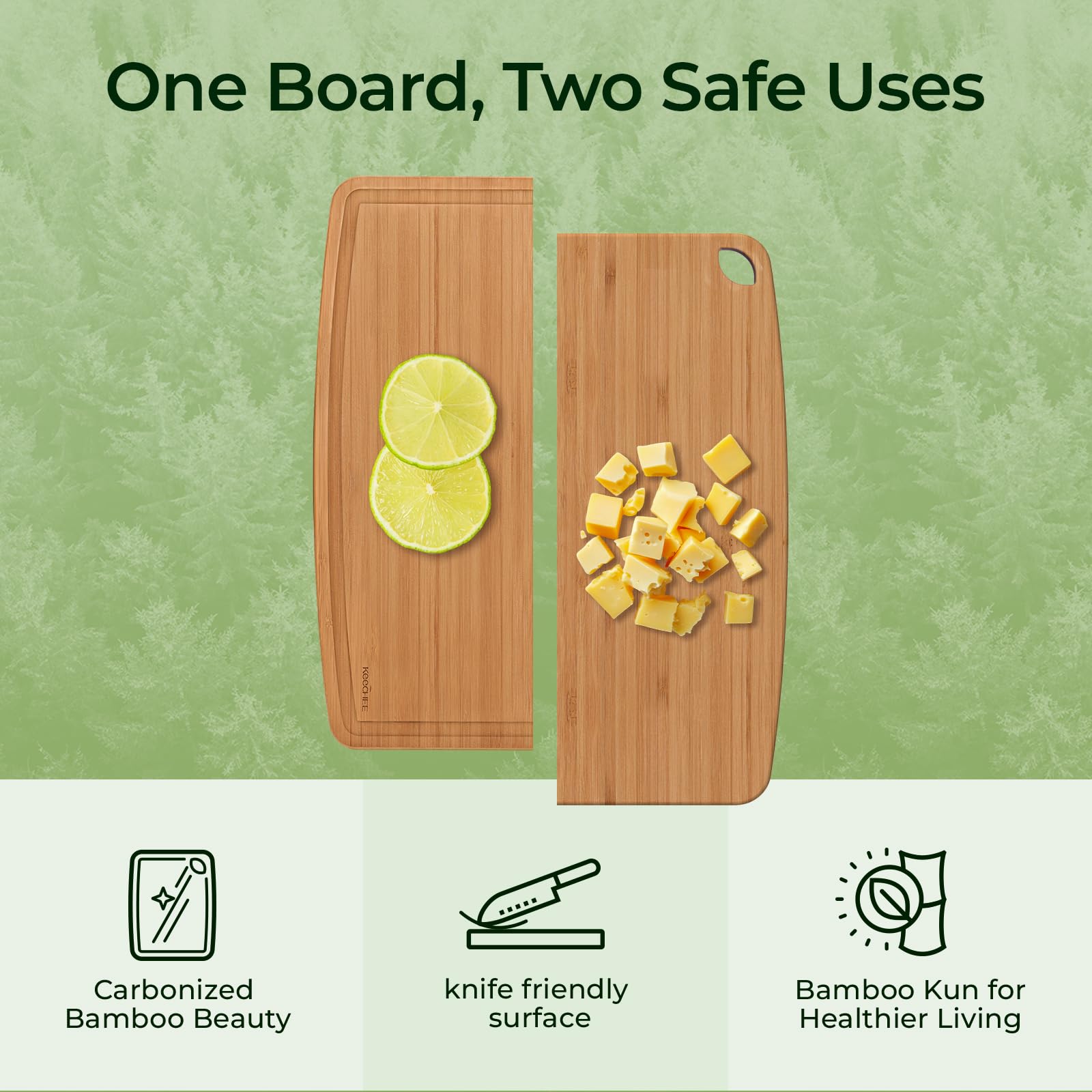
Bamboo boards are eco-friendly and naturally resist water. They are harder than wood but may dull knives faster.
Choose bamboo boards with smooth finishes. They need regular oiling to stay strong and avoid cracking.
- Fast-growing and renewable material
- Resists moisture and bacteria well
- Lightweight and easy to move
Budget-friendly Options
Affordable boards can still be safe and durable. Plastic boards often fit this category well.
Look for simple wooden boards with good reviews. Avoid very thin or soft materials that wear quickly.
- Basic plastic boards with dishwasher safety
- Simple maple or rubberwood boards
- Look for non-slip edges for safety
Premium Choices For Professionals
Professional chefs choose boards that last under heavy use. End-grain wooden boards are very durable.
These boards absorb knife cuts well and keep blades sharp. High-quality plastic boards with antimicrobial features are also popular.
- End-grain maple or walnut boards
- Thick, heavy boards that stay in place
- Special plastic boards with antimicrobial layers
Choosing The Right Board For You
Picking a safe cutting board is important for your kitchen and health. The right board keeps food clean and lasts long.
There are many types of cutting boards made from different materials. Choose one that fits your needs and cooking habits.
Factors To Consider
Think about how often you cook and what foods you cut. Some boards are better for meat, others for vegetables.
Also, check how easy the board is to clean. Some materials need special care to stay safe and last longer.
- Material type: wood, plastic, bamboo, or glass
- Ease of cleaning and maintenance
- Durability and resistance to knife marks
- Food safety and bacteria resistance
Matching Boards To Your Cooking Style
If you cut raw meat often, use a non-porous board like plastic. It stops bacteria from hiding in cuts.
Wood boards are great for chopping vegetables and bread. They are gentle on knives and look natural in the kitchen.
- Plastic boards: good for raw meat and easy cleaning
- Wood boards: best for vegetables and bread
- Bamboo boards: eco-friendly and hard but may dull knives
- Glass boards: easy to clean but can dull knives and slip
Size And Weight Preferences
Choose a board size that fits your kitchen space. A bigger board gives more room but can be heavy to move.
Light boards are easier to clean and store. Heavy boards are stable but harder to lift.
- Small boards: good for quick tasks and small kitchens
- Large boards: better for big meals and multiple ingredients
- Lightweight boards: easy to handle and clean
- Heavy boards: stay in place during cutting
Credit: www.amazon.ca
Frequently Asked Questions
What Materials Are Safe For Cutting Boards?
Wood and bamboo are safe, natural choices for cutting boards. They are gentle on knives and have natural antimicrobial properties. Plastic boards are also safe and easy to sanitize. Always ensure any cutting board is non-toxic and free from harmful chemicals to ensure food safety.
Are Bamboo Cutting Boards Safe For Food?
Yes, bamboo cutting boards are safe and eco-friendly. They are naturally antimicrobial and durable, making them a great choice for kitchens. Bamboo is also gentle on knife edges. Always ensure it’s sealed properly to prevent moisture absorption, which can lead to bacteria growth.
Can Plastic Cutting Boards Harbor Bacteria?
Plastic cutting boards can harbor bacteria if not cleaned properly. They are non-porous, making them easy to sanitize. However, deep cuts can trap bacteria. Regular cleaning with hot, soapy water and replacing boards with deep grooves is essential for maintaining food safety.
How Do I Sanitize Wooden Cutting Boards?
To sanitize wooden cutting boards, wash with hot, soapy water. Rinse well and dry immediately. Use a vinegar solution or hydrogen peroxide for deeper cleaning. Occasionally oil the board with mineral oil to maintain its condition and prevent moisture absorption, which can lead to bacteria growth.
Conclusion
Choosing safe cutting boards keeps your kitchen clean and healthy. Wood and plastic boards work well for everyday use. Always clean boards properly after each use. Replace boards that have deep cuts or cracks. Avoid boards that absorb too much water or smell.
Safe boards help prevent germs from spreading. Keep your food fresh and safe by picking the right board. Small steps make a big difference in your kitchen. Stay careful, and enjoy cooking with peace of mind.