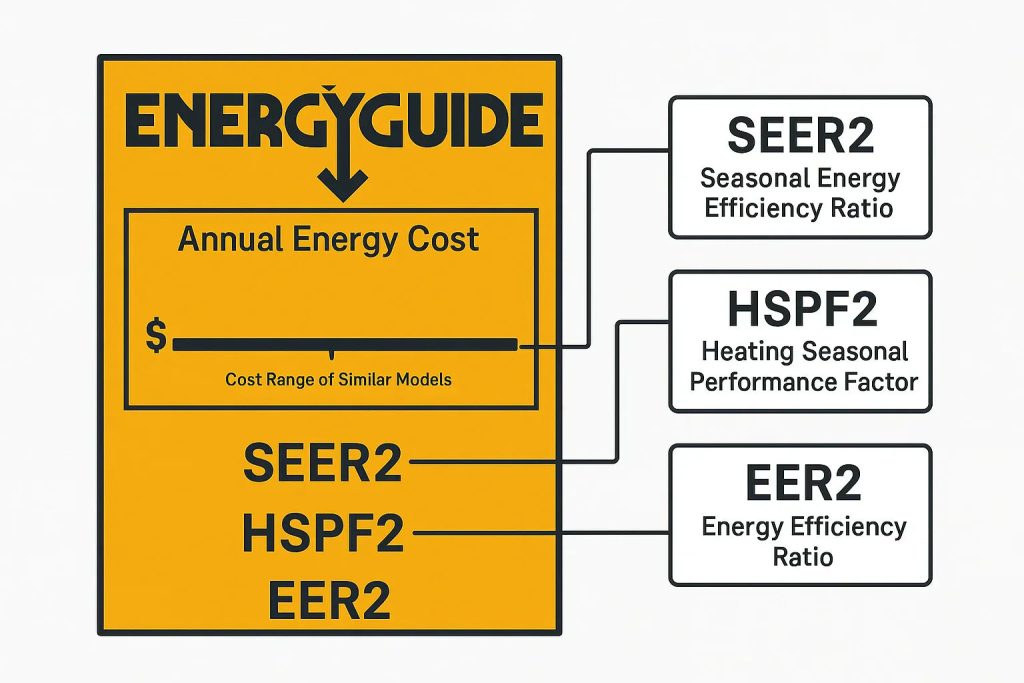
When shopping for a new air conditioner, you might have come across the term “SEER rating” and wondered what it means. Understanding SEER rating is key to choosing a unit that saves you money and keeps your home comfortable.
If you want to make sure your air conditioner is energy-efficient and won’t skyrocket your electricity bills, knowing about SEER ratings is a must. Keep reading, and you’ll discover exactly what SEER rating is, why it matters to you, and how it can help you pick the best air conditioner for your needs.

Credit: hvacdirect.com
Seer Rating Basics
SEERstands for Seasonal Energy Efficiency Ratio. It shows how well an air conditioner cools using the energy it consumes. A higher SEER means the AC uses less electricity to cool a room.
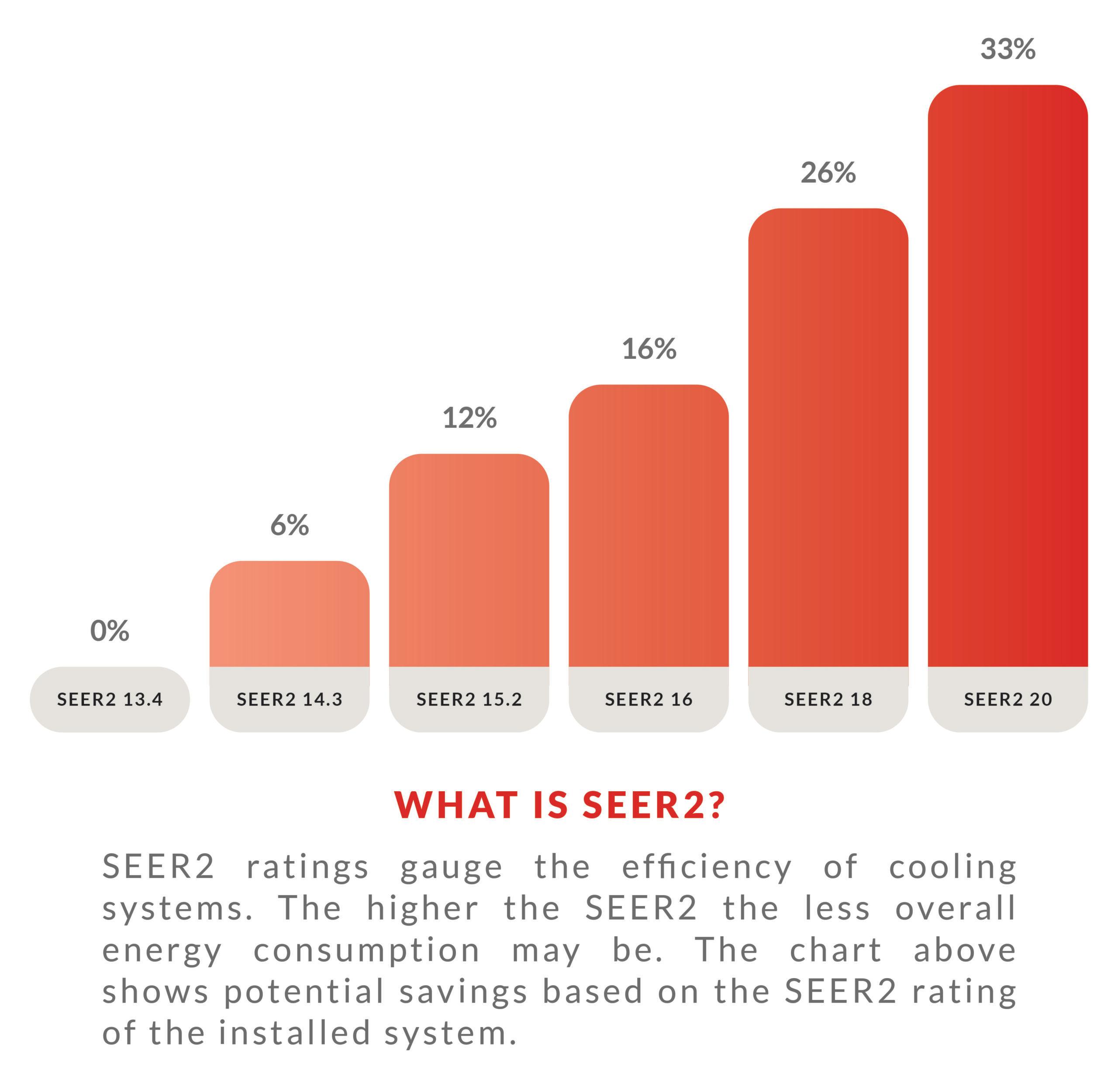
The SEER rating helps people choose an energy-saving air conditioner. It compares the cooling output during a typical cooling season to the energy used. The more efficient the unit, the lower the electric bill.
SEER ratings usually range from 13 to 21. A unit with a rating of 21 uses much less energy than one rated 13. This helps save money and reduces the impact on the environment.
| Term | Description |
|---|---|
| Cooling Output | Amount of heat the AC removes from the air |
| Energy Used | Electricity consumed by the AC during cooling |
| SEER Rating | Ratio of cooling output to energy used over a season |
Importance Of Seer Rating
Seer ratingshows how well an air conditioner uses electricity. A higher SEER numbermeans the AC uses less power to cool your home.
Saving energy helps lower your electric bill. Over time, this can add up to big savings. A more efficient AC also helps the environment by using less energy.
| SEER Rating | Energy Use | Cost Impact |
|---|---|---|
| 13-14 | Standard | Lower upfront cost, higher bills |
| 15-16 | Better efficiency | Moderate upfront, lower bills |
| 17 and above | High efficiency | Higher upfront, much lower bills |
Seer Ratings And Air Conditioner Types
SEERstands for Seasonal Energy Efficiency Ratio. It shows how well an air conditioner cools using electricity. Higher SEER means better energy savings.
| Air Conditioner Type | SEER Range | Details |
|---|---|---|
| Central Air Conditioners | 13 to 21+ | Used for whole house cooling. Best for homes with ducts. Higher SEER models save more energy. |
| Window Units | 9 to 12 | Designed for cooling single rooms. Lower SEER because of smaller size and simple design. |
| Ductless Mini-Splits | 16 to 30+ | Good for homes without ducts. Very efficient. Allows cooling in specific areas only. |
Choosing The Right Seer Rating
Choosing the right SEER ratingdepends on your climate and budget. A higher SEER means better energy efficiency, which saves money over time. Cooler climates may not need very high SEER ratings. Warmer places benefit more from high SEER units because they run longer.
Lower SEER models cost less upfront but use more energy. Higher SEER models cost more but reduce electricity bills. Think about how long you will use the AC each year.
| Climate | Recommended SEER | Reason |
|---|---|---|
| Warm | 16-21 | Runs often, saving energy is key |
| Mild | 13-16 | Moderate use, balance cost and efficiency |
| Cool | 13-14 | Runs less, lower SEER is fine |
Regulations And Standards
SEER stands for Seasonal Energy Efficiency Ratio. It measures how much cooling an air conditioner provides per unit of energy used. The government sets minimum SEER levelsto make sure AC units use less electricity. These rules help save energy and lower bills.
For example, in many places, the minimum SEER is now 14 or higher. Older models often have SEER ratings below this. Using a higher SEER unit means better energy use and less impact on the environment.
| Year | Minimum SEER Rating | Notes |
|---|---|---|
| Before 2015 | 13 | Older standard |
| 2015 – Present | 14 – 15 | Higher efficiency required |
| Future | 16+ | Trend toward more efficient units |
Future SEER standards will likely rise. This means ACs will get more efficientover time. New technology helps make units use less power. This saves money and helps the planet.

Credit: thefurnaceoutlet.com
Improving Air Conditioner Efficiency
Regular maintenancekeeps an air conditioner working well. Clean or replace filters every month. Dirt blocks airflow and lowers efficiency. Check the coilsfor dirt and clean them yearly. Clear debris around the unit to help air flow freely.
Seal any air leaks in windows or doors. A tight home keeps cool air inside. Set the thermostat to a comfortable but not too low temperature. Use a programmable thermostat to save energy when away.
- Use ceiling fans to help cool rooms faster.
- Close curtains during hot days to block sunlight.
- Keep heat-producing appliances away from the thermostat.
- Use energy-efficient lighting that gives off less heat.
Credit: www.trane.com
Frequently Asked Questions
What Does Seer Rating Mean?
The SEER rating, or Seasonal Energy Efficiency Ratio, measures an air conditioner’s energy efficiency. A higher SEER indicates more energy savings and better performance. The rating helps consumers compare different models for efficiency. Investing in a high SEER unit can reduce electricity bills and environmental impact.
Why Is Seer Rating Important For Air Conditioners?
SEER rating is crucial for determining an air conditioner’s efficiency and cost-effectiveness. Higher SEER units consume less electricity, saving money over time. They also reduce the environmental footprint by using energy more efficiently. Choosing an AC with a good SEER rating ensures long-term savings and improved performance.
How Can I Find My Ac Unit’s Seer Rating?
You can find your AC unit’s SEER rating on its energy guide label. The label is usually attached to the unit or included in the manual. If it’s not available, check the manufacturer’s website or contact customer support. Knowing the SEER helps in assessing energy efficiency and potential savings.
What Is A Good Seer Rating For Ac Units?
A good SEER rating for air conditioners is generally 14 or higher. Higher ratings indicate better energy efficiency and performance. Modern units often range from 14 to 25 SEER. Choosing a unit with a higher SEER can lead to significant cost savings and improved environmental impact over time.
Conclusion
A higher SEER rating means better energy efficiency. It helps save money on electricity bills. Choosing an air conditioner with a good SEER rating is smart. It keeps your home cool without wasting power. Remember, a better rating can reduce environmental impact too.
Always check the SEER rating before buying. This small step leads to long-term benefits. Understanding SEER makes your choice clearer and easier. Keep cool and save energy at the same time. Simple and practical advice for a comfortable home.