Are you tired of chilly drafts sneaking in around your window air conditioner during winter? Leaving your unit unprotected can let cold air slip inside and drive up your heating bills.
But don’t worry—insulating your window air conditioner is easier than you think. You’ll discover simple, effective ways to keep the cold out and your home cozy all season long. Keep reading, and you’ll learn how to save energy, stay comfortable, and protect your AC unit from winter damage.
Credit: www.walmart.com
Why Insulate Your Window Ac
Insulating a window air conditioner helps stop heat lossduring winter. It keeps warm air inside and cold air out. This is important to keep your home cozy.
Cold drafts can sneak in through gaps around the unit. These drafts make rooms feel chilly and uncomfortable. Sealing these gaps with insulation blocks the cold air.
Using insulation on your window AC can also save on energy bills. Less heat escapes, so your heater uses less power. This means paying less for electricity during cold months.

Credit: www.amazon.ca
Tools And Materials Needed
Weatherstrippingseals gaps around the air conditioner. It stops cold air from entering and warm air from escaping.
Foam boardhelps block drafts. It fits into spaces around the unit to keep cold air out.
Plastic filmcovers the window and unit. It adds an extra layer of insulation against wind and moisture.
Duct tapeholds all materials in place. It sticks well to surfaces and keeps everything tight and secure.
Preparing The Ac Unit
Turn off the air conditionerand unplug it from the power source. This step is very important for safety and prevents any damage to the unit. Make sure the unit is completely powered down before starting any cleaning or covering.
Clean the unit carefully. Remove dirt, dust, and debris from the exterior and vents. Use a soft cloth or brush to avoid damaging any parts. A clean unit works better and lasts longer.
- Remove the filtersfrom the unit. Clean them gently with water and let them dry completely.
- If you prefer, cover the filters with plastic wrap or a thin cloth to protect them from dust during winter.
- Do not leave dirty filters in the unit, as this can cause mold and bad smells.
Sealing Gaps Around The Unit
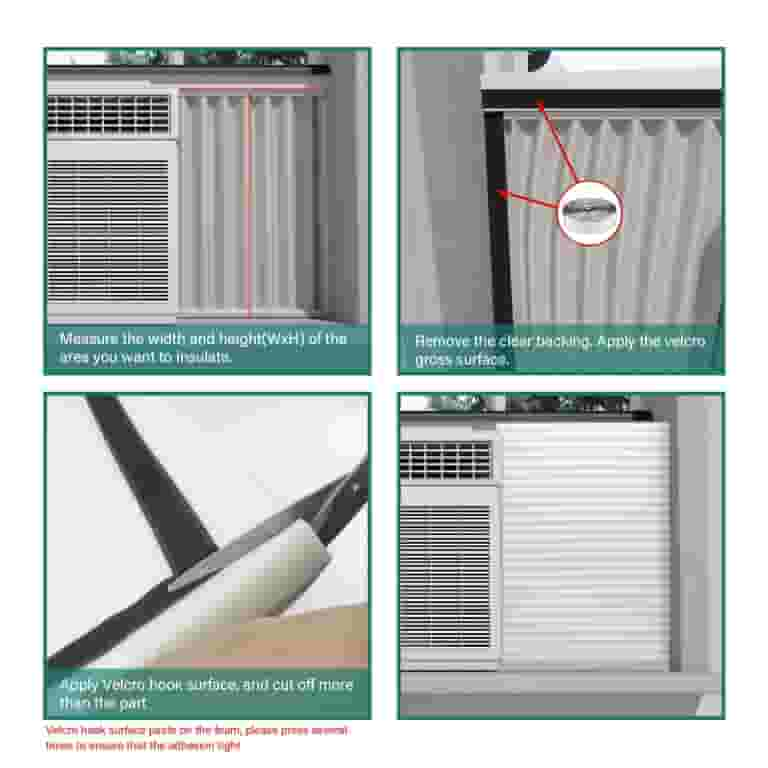
Apply weatherstrippingaround the edges of the air conditioner. This helps block cold air from entering your room. Weatherstripping is easy to install and can be found at most hardware stores.
Use foam board for large gapsbetween the unit and window frame. Cut the foam board to fit the size of the gap. This creates a strong barrier against drafts and keeps the room warmer.
Seal with duct tapeall around the weatherstripping and foam board. The tape holds everything in place and stops any air leaks. Make sure to press the tape firmly for a tight seal.
Adding Insulation Materials
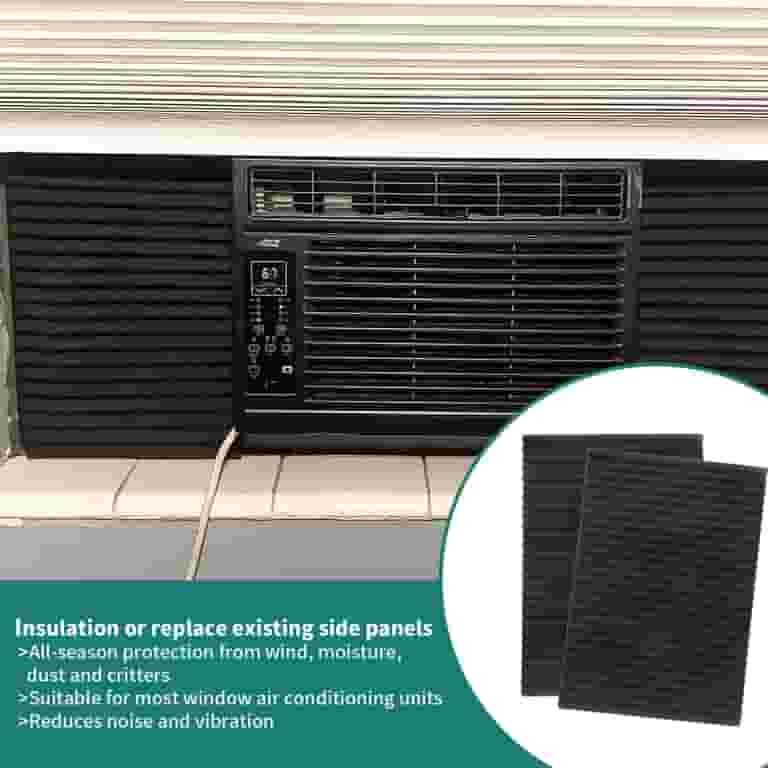
Foam panels help keep cold air out and warmth in. Cut the foam to fit the window air conditioner. Press it firmly around the edges for a tight seal.
Plastic film creates an extra barrier against drafts. Attach the film over the foam panels using tape. This stops moisture and cold air from entering.
- Use strong tape to hold insulation materials in place.
- Check for gaps and seal them carefully.
- Ensure the insulation does not block airflow from the unit.

Credit: www.walmart.com
Maintaining The Insulation
Regularly check for damageon the insulation around the window air conditioner. Look for tears, holes, or gapsthat let cold air in. These small openings can make your home colder and waste energy.
Replace materials as neededto keep the insulation effective. Old foam, tape, or weatherstripping might lose their strength over time. Using fresh insulation helps keep the cold out and saves heating costs.
When spring arrives, remove the insulation carefully. Leaving it on during warm months can cause moisture buildup or mold. Store the materials in a dry place for use next winter.
Frequently Asked Questions
Why Insulate A Window Air Conditioner In Winter?
Insulating a window air conditioner in winter prevents drafts and energy loss. Proper insulation keeps your home warmer and reduces heating costs. It also protects the unit from harsh weather, extending its lifespan.
What Materials Are Best For Insulation?
Foam panels, weather stripping, and thermal curtains are excellent for insulation. These materials effectively block cold air and retain heat. They are affordable and easy to install, making them ideal choices for insulating a window air conditioner.
How Do I Remove Air Conditioner Drafts?
Seal gaps around your air conditioner with weather stripping. Use foam panels to cover the unit and prevent drafts. Thermal curtains can also help block out cold air, enhancing insulation.
Can Insulation Damage My Air Conditioner?
Proper insulation won’t damage your air conditioner. Ensure materials don’t block vents or obstruct airflow. Correct installation prevents moisture buildup and maintains the unit’s efficiency, protecting it from potential damage.
Conclusion
Properly insulating your window air conditioner saves energy and keeps cold air out. Use foam panels or weatherstripping to seal gaps tightly. Cover the unit with an insulated cover to protect it from frost. These simple steps prevent heat loss and lower heating bills.
A well-insulated air conditioner lasts longer and stays efficient. Winter protection is easy with basic materials and a little effort. Stay warm and save money by insulating your unit today. Small actions make a big difference in winter comfort.