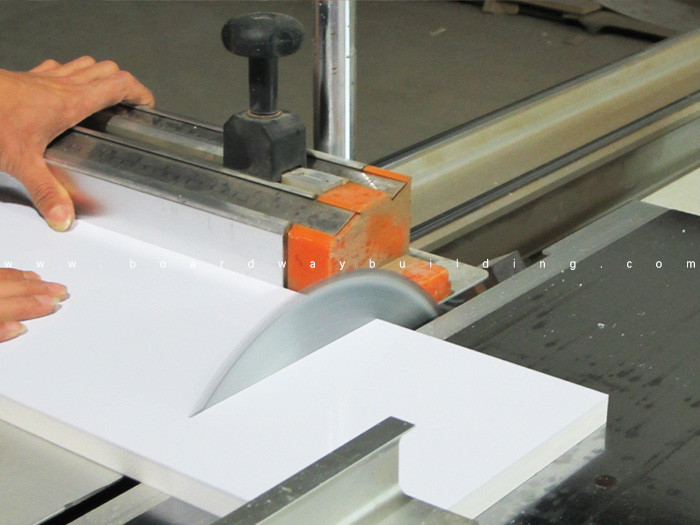
Cutting a PVC board with a table saw might seem tricky at first, but with the right tips, you can do it smoothly and safely. If you want clean, precise cuts without cracking or melting the plastic, this guide is made just for you.
Keep reading to discover simple steps and expert tricks that will make your project easier and give you professional results every time. Your next PVC project starts here—let’s make sure you get it right from the very first cut.
Choosing The Right Table Saw Blade
Cutting PVC board with a table saw needs the correct blade. The right blade gives clean cuts and stops melting.
Selecting a blade depends on blade type, teeth, and material. These factors affect cut quality and blade life.
Blade Types For Pvc
There are several blade types for cutting PVC. Each blade type works best for different tasks.
Carbide-tipped blades are popular for PVC. They stay sharp longer and cut smoothly.
- Carbide-tipped blades offer durability and smooth cuts
- High-speed steel blades are cheaper but dull fast
- Diamond blades are for heavy-duty PVC cutting
Blade Teeth And Configuration
Blade teeth count affects the cut finish. More teeth create smoother cuts on PVC.
To avoid chipping, use blades with fine teeth and alternate top bevel (ATB) design.
- 60 to 80 teeth blades are ideal for fine PVC cuts
- ATB tooth design reduces splintering
- Triple chip grind (TCG) teeth handle thicker PVC
Material And Coating Considerations
Blade material and coating protect the blade and improve cutting. Coatings reduce heat and friction.
Carbide blades with titanium or PTFE coatings last longer and cut cleaner on PVC.
- Carbide is strong and holds sharp edges
- Titanium coating lowers heat build-up
- PTFE coating helps reduce sticky residue
Preparing The Pvc Board
Cutting PVC board with a table saw needs careful preparation. Proper steps help make clean and safe cuts.
Start by getting the board ready. This includes measuring, securing, and cleaning the PVC surface.
Measuring And Marking
Use a tape measure to find where you want to cut the board. Mark this line clearly with a pencil or marker.
- Measure twice to avoid mistakes
- Use a straight edge to draw the cutting line
- Mark both sides of the board for accuracy
Securing The Board
Hold the PVC board firmly before cutting. Use clamps to fix it to the workbench or table saw surface.
| Tool | Purpose |
| Clamps | Keep board steady and safe |
| Workbench | Support the board during cutting |
| Table Saw Fence | Guide the board for straight cuts |
Cleaning The Surface
Remove dust, dirt, and grease from the PVC board. A clean surface helps marks stay visible and prevents slipping.
Use a soft cloth with mild soap and water. Dry the surface completely before cutting.
Setting Up The Table Saw
Cutting PVC board with a table saw needs careful setup. Proper setup helps make clean and safe cuts.
This guide explains how to adjust the blade height, set the fence and guide, and use safety gear.
Adjusting Blade Height
Set the blade height so it is just above the thickness of the PVC board. This reduces tear-out and gives a smooth cut.
Too low blade height can cause burning or rough edges. Too high blade height may cause kickback or damage the board.
Setting Fence And Guide
The fence and guide keep the PVC board straight during the cut. Adjust them to match the width of the cut you want.
- Measure the cut width carefully.
- Lock the fence firmly in place.
- Use a guide if you need to cut a narrow strip.
- Check that the board moves smoothly along the fence.
Safety Gear And Precautions
| Safety Gear | Purpose |
|---|---|
| Safety glasses | Protect eyes from flying debris |
| Hearing protection | Reduce noise from saw |
| Dust mask | Prevent inhaling plastic dust |
| Gloves | Protect hands but avoid loose fit |
Always check that the blade guard is in place. Keep your hands away from the blade path. Use push sticks for small pieces.

Credit: www.familyhandyman.com
Cutting Techniques For Clean Edges
Cutting PVC board with a table saw needs care. Using the right method helps get smooth edges. This guide shares key tips for clean cuts on PVC boards.
Following these techniques reduces roughness and prevents damage. You will learn how to cut safely and neatly every time.
Slow And Steady Feed Rate
Push the PVC board slowly through the blade. A fast feed rate can cause rough edges and chip the material. Keep a steady pace for even cuts.
- Set a slow speed before cutting
- Keep a constant push without stopping
- Do not force the board through too quickly
Supporting The Workpiece
Hold the PVC board firmly to avoid wobbling. Use a flat surface or support stand to keep the board level during the cut. This support helps keep the cut straight and clean.
| Support Method | Benefit |
| Clamps | Prevents movement |
| Worktable extension | Supports long boards |
| Guide rails | Keeps straight cuts |
Avoiding Melting And Chipping
Use a sharp blade designed for plastics to cut PVC. Dull blades cause heat and melt the edges. Also, avoid pushing too hard to prevent chipping.
- Choose a fine-tooth carbide blade
- Keep blade speed moderate
- Do not stop mid-cut to reduce heat
- Keep the blade clean from debris
Post-cut Finishing Tips
After cutting PVC board with a table saw, finishing the edges is important. Proper finishing makes the board safe and visually neat.
Use the right tools and techniques to smooth edges and clean off any residue left by cutting.
Sanding Edges Smooth
Sanding helps remove rough spots and sharp edges after cutting. Use fine-grit sandpaper for the best results.
- Start with 120-grit sandpaper to smooth rough edges
- Use 220-grit sandpaper for a finer finish
- Sand along the edge, not across, to avoid scratches
- Wear a dust mask to protect from plastic dust
Removing Burrs
Burrs are small plastic bits left on the edge after cutting. Removing them prevents injury and improves appearance.
| Tool | Use |
| Utility knife | Carefully trim burrs off the edge |
| Deburring tool | Scrape burrs smoothly without damaging the board |
| File | File down larger burrs or rough spots |
Cleaning Residue
Cutting PVC boards can leave dust and residue. Cleaning keeps the surface clean and ready for use or painting.
Follow these steps to clean residue:
- Wipe the board with a dry cloth to remove loose dust
- Use a damp cloth with mild soap to clean sticky residue
- Dry the surface with a clean towel

Credit: www.findbuytool.com
Troubleshooting Common Issues
Cutting PVC board with a table saw can be tricky. Some common problems may happen during the cut.
Knowing how to fix these issues helps you get clean and accurate cuts every time.
Dealing With Tear-out
Tear-out happens when the saw blade pulls chunks of PVC from the edge. It makes the cut rough and uneven.
To reduce tear-out, use a blade with more teeth. A fine-tooth blade cuts smoothly.
- Use painter’s tape on the cut line to hold the material
- Cut slowly and steadily without forcing the board
- Score the cut line lightly before cutting
Preventing Blade Binding
Blade binding occurs when the saw blade gets stuck in the PVC. It can cause kickback or damage the board.
Keep the blade sharp and use the right blade type for PVC. Avoid pushing the board too fast.
- Set the blade height just above the board thickness
- Use a blade designed for plastic or non-ferrous materials
- Support the board firmly to prevent movement
Fixing Uneven Cuts
Uneven cuts happen when the board moves or the fence is not aligned. Cuts may be angled or wavy.
Make sure the fence is square and locked tight. Hold the board firmly and push it straight through the blade.
- Check the table saw fence for proper alignment
- Use clamps or supports to hold the PVC board steady
- Feed the board smoothly without twisting or bending

Credit: www.youtube.com
Frequently Asked Questions
What Blade Should I Use For Pvc Board?
Use a fine-toothed carbide-tipped blade for cutting PVC board. It ensures clean, precise cuts without chipping. The blade’s fine teeth reduce friction, providing a smoother finish. Always check the blade’s condition before starting, as a sharp blade ensures optimal results and prolongs the life of your tool.
How Do I Ensure A Straight Cut On Pvc?
To ensure a straight cut, use a rip fence as a guide. Align the PVC board with the fence, maintaining even pressure throughout. Double-check measurements before cutting. This setup helps maintain control, ensuring the board doesn’t shift during the process, resulting in a precise, straight cut.
Is Cutting Pvc With A Table Saw Safe?
Cutting PVC with a table saw is safe with precautions. Wear safety goggles and gloves to protect against debris. Ensure the board is securely positioned and use a push stick for small pieces. Keep fingers away from the blade. Follow these safety measures for a secure cutting experience.
Can I Cut Thick Pvc Boards With A Table Saw?
Yes, you can cut thick PVC boards with a table saw. Use a sharp, carbide-tipped blade for best results. Adjust the blade height appropriately and make multiple passes if necessary. Ensure the board is well-supported to prevent binding. This approach ensures a smooth and efficient cutting process.
Conclusion
Cutting PVC board with a table saw is simple and safe. Use the right blade and keep your hands steady. Measure twice and cut once to avoid mistakes. Always wear safety gear like goggles and gloves. Keep the work area clean and check the saw before starting.
With these steps, your cuts will be straight and smooth. Practice a few times to build confidence. Enjoy your project and work carefully for best results.