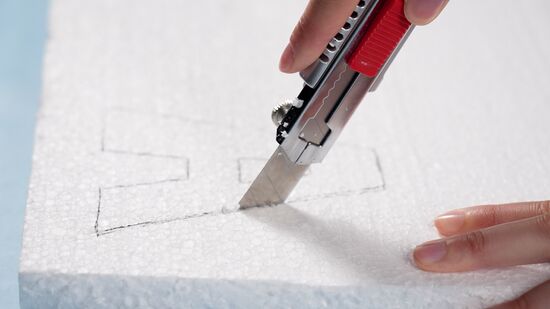
Are you struggling to find the right tool to cut your foam board cleanly and easily? Choosing the wrong cutter can leave you with jagged edges, wasted material, and a frustrating experience.
But don’t worry—this guide will help you discover the best options to make your cutting smooth, precise, and hassle-free. By the end, you’ll know exactly what to use to get professional-looking results every time. Keep reading to unlock simple tips that save you time and effort on your next project!
Credit: jtechphotonics.com
Types Of Foam Board
Foam boards are popular for crafts, presentations, and model making. They come in many types, each suited for different tasks.
Choosing the right foam board depends on the material and thickness. These factors affect how easy it is to cut and shape.
Common Foam Board Materials
Foam boards use different materials that change their strength and feel. The most common types are:
- Polystyrene Foam:Lightweight and smooth. It is easy to cut with sharp blades.
- Polyurethane Foam:Denser and firmer. It holds shape well but needs stronger tools.
- Polyethylene Foam:Soft and flexible. It is less common but useful for padding.
- Foam Core:Has a foam center with paper on both sides. It is good for framing and displays.
Thickness Variations
Foam boards come in several thicknesses. Thickness affects durability and the cutting tools you need.
| Thickness | Common Use | Cutting Tool Recommendation |
|---|---|---|
| 1/8 inch (3 mm) | Light crafts and simple models | Utility knife or craft knife |
| 3/16 inch (5 mm) | Presentations and mounting photos | Sharp craft knife or hot wire cutter |
| 1/2 inch (12 mm) | Architectural models and sturdy displays | Hot wire cutter or saw |
| 1 inch (25 mm) or more | Large models and insulation | Specialty saw or hot wire cutter |
Criteria For Choosing Cutting Tools
Choosing the right tool to cut foam board makes your work easier and cleaner. The tool must fit your project needs and skill level.
Focus on cutting precision, ease of use, and safety to pick the best cutting tool for foam board.
Cutting Precision
Precision is key when cutting foam board. The tool must give clean, straight edges without tearing the material.
- Sharp blades reduce rough edges.
- Stable handles help control the cut.
- Tools with guides improve straight lines.
- Replace dull blades often for best results.
Ease Of Use
Choose tools that are simple to handle. This reduces fatigue and errors during cutting.
| Tool Type | Weight | Grip Comfort | Blade Change |
| Utility Knife | Light | Good | Easy |
| Hot Wire Cutter | Medium | Fair | Moderate |
| Craft Knife | Light | Good | Easy |
| Scissors | Light | Fair | N/A |
Safety Considerations
Safety matters when cutting foam board. Sharp blades and hot wires need careful handling.
- Always cut away from your body.
- Wear gloves to protect your hands.
- Use a cutting mat to prevent slips.
- Keep tools out of reach of children.
Utility Knives
Utility knives are a popular tool for cutting foam board. They offer control and precision for different cutting needs.
Choosing the right blade and using proper techniques can help you get smooth, clean cuts every time.
Blade Types And Sharpness
Utility knives come with various blade types. Sharp blades make cutting easier and cleaner.
- Standard snap-off blades: easy to replace and stay sharp.
- Retractable blades: safe and adjustable length.
- Fixed blades: very sharp but need careful handling.
- Carbide blades: last longer but cost more.
Techniques For Clean Cuts
Using the right cutting technique improves your results. Take your time and follow safety tips.
| Technique | Tip |
| Scoring | Make several light passes instead of one deep cut |
| Cutting Surface | Use a cutting mat to protect blades and surfaces |
| Blade Angle | Keep the blade at a 45-degree angle for smooth cutting |
| Pressure | Apply even pressure to avoid jagged edges |
| Safety | Keep fingers away from the blade’s path |

Credit: www.amazon.ca
Hot Wire Cutters
Hot wire cutters are tools designed to cut foam board with heat. They melt through the material instead of slicing it.
These cutters provide smooth and precise cuts, making them popular for craft and model projects.
How They Work
A hot wire cutter uses a thin wire heated by electric current. The hot wire melts through the foam board as you push it along the cut line.
The heat level can be adjusted for different thicknesses and types of foam. This allows for clean and fast cutting without tearing the material.
Best Uses And Limitations
- Ideal for straight or curved cuts on foam board
- Works well for making architectural models and craft projects
- Can cut thick foam boards with proper heat settings
- Not suitable for cutting materials other than foam
- Requires a power source and safety precautions due to heat
- May produce fumes, so use in a well-ventilated area
Craft Knives And X-acto Blades
Craft knives and X-Acto blades are popular tools for cutting foam board. They offer precision and control for making clean cuts. These tools are light and easy to handle, making them perfect for detailed projects.
Using sharp blades helps you avoid tearing or crushing the foam board. You can create straight lines or intricate shapes with ease. These blades are often used by artists, model makers, and crafters.
Advantages For Detail Work
Craft knives and X-Acto blades give you excellent control for detailed cuts. Their sharp tips allow you to cut small shapes and fine lines without damaging the foam board.
- Sharp blades make smooth, clean cuts
- Lightweight handles reduce hand fatigue
- Replaceable blades keep the tool effective
- Pointed tips cut tight curves and corners
- Easy to guide for precision work
Maintenance Tips
Keeping your craft knife or X-Acto blade sharp and clean improves cutting quality. Proper maintenance extends the life of your tools and makes your work safer.
| Maintenance Task | Description | Frequency |
| Blade Replacement | Swap blades when dull to keep cuts clean | After several uses or when cutting gets rough |
| Cleaning | Wipe blade and handle to remove foam dust | After every use |
| Storage | Keep blade covered or in a case to prevent damage | Always when not in use |
| Handle Check | Ensure handle screws and parts are tight | Monthly or if tool feels loose |

Credit: www.wikihow.com
Electric Foam Cutters
Electric foam cutters are tools designed to slice through foam board smoothly. They use heated wires to make clean cuts without tearing the foam.
These cutters are popular for crafting, model building, and insulation work because they speed up the cutting process and improve precision.
Features And Benefits
Electric foam cutters offer several advantages over manual cutting tools. They provide accuracy, speed, and less mess when working with foam boards.
- Heated wire cuts foam cleanly without rough edges
- Adjustable temperature controls for different foam types
- Lightweight and easy to handle for detailed work
- Reduces dust and debris compared to knives or saws
- Can create complex shapes and curves with ease
When To Use Them
Electric foam cutters work best in situations that require clean, precise cuts and fast results. They are suitable for both hobbyists and professionals.
| Situation | Why Use Electric Foam Cutters |
| Craft projects | Make smooth, detailed shapes quickly |
| Architectural models | Cut precise edges without damaging foam |
| Insulation installation | Speed up cutting large foam sheets accurately |
| Sign making | Create clean letters and designs easily |
Straightedges And Guides
Cutting foam board cleanly needs the right tools. Straightedges and guides help make straight cuts every time.
These tools keep your blade steady and prevent uneven edges. They make the cutting process safer and easier.
Choosing The Right Guide
Select a guide that fits the size of your foam board. It should be long enough to cover the full cut line.
Look for guides with a non-slip surface. This keeps the guide from moving while you cut.
- Metal straightedges are durable and precise
- Plastic guides are lightweight but may slip
- Wooden guides work well but may wear out
- Check if the guide has measurement marks
Using Jigs For Consistency
Jigs hold the foam board in place for repeated cuts. They help you make the same size every time.
Build or buy jigs that suit your project. Secure your foam board tightly to avoid slips and mistakes.
- Use clamps to hold the jig steady
- Mark the cutting line clearly on the jig
- Test the jig on scrap pieces first
- Adjust the jig for different foam board thickness
Safety Tips For Cutting Foam Board
Cutting foam board can be easy if you use the right tools and follow safety steps. Protect yourself to avoid injuries.
Use the proper safety gear and cutting methods to keep your work safe and neat.
Protective Gear
Always wear protective gear before cutting foam board. This helps prevent cuts and dust from entering your eyes and lungs.
- Safety goggles to protect your eyes
- Cut-resistant gloves to protect your hands
- A dust mask to avoid breathing in foam particles
- Long sleeves to protect your arms
Safe Cutting Practices
Follow these safe cutting steps to work carefully and avoid accidents.
- Use a sharp craft knife or utility blade for clean cuts.
- Cut on a stable surface like a cutting mat or board.
- Hold the foam board firmly but keep fingers away from the blade.
- Cut slowly and steadily, do not rush the process.
- Make multiple light passes instead of one deep cut.
- Store blades safely when not in use.
Tips For Achieving Smooth Edges
Cutting foam board cleanly can be tricky. Using the right tools and techniques helps you get smooth edges.
Sharp blades and steady hands make a big difference. Follow these tips to improve your cuts.
Cutting Techniques
Use a sharp craft knife or utility knife for cutting foam board. Change blades often to keep cuts clean.
Score the foam board lightly first. Make several passes instead of one deep cut. This prevents rough edges.
- Place the foam board on a flat, stable surface
- Use a metal ruler to guide your cuts
- Keep steady pressure and slow cutting speed
- Make multiple shallow cuts instead of one deep cut
Post-cut Finishing
After cutting, smooth the edges with fine-grit sandpaper. Light sanding removes small bumps and rough spots.
You can also use a craft foam sanding block. Wipe dust off with a soft cloth to keep edges neat.
- Sand gently along the cut edge
- Use circular or back-and-forth motions
- Check the edge often to avoid over-sanding
- Clean dust with a dry cloth after sanding
Frequently Asked Questions
What Tool Is Best For Cutting Foam Board?
A utility knife is ideal for cutting foam board. It’s precise and easy to handle. For thicker boards, a hot wire cutter works well. Always use a straightedge to guide your cuts. Ensure the blade is sharp for a clean cut.
Safety precautions are essential to avoid injuries.
Can I Use A Hot Wire Cutter On Foam Board?
Yes, a hot wire cutter is perfect for foam board. It provides smooth and clean edges. This tool is excellent for intricate shapes and curves. However, ensure proper ventilation to avoid inhaling fumes. Always follow safety guidelines when using electrical tools to prevent accidents.
Is A Utility Knife Effective On Foam Board?
Absolutely, a utility knife works well for foam board. It’s great for straight cuts and small projects. Ensure the blade is sharp for clean cuts. Use a metal ruler as a guide for straight lines. Regularly replace dull blades to maintain precision and safety.
How Do I Achieve Smooth Edges On Foam Board?
To achieve smooth edges, use a sharp blade for cutting. Sandpaper can help refine edges. For curved cuts, a hot wire cutter is ideal. Always cut slowly and steadily to avoid jagged edges. A steady hand ensures smoother results and enhances the overall finish.
Conclusion
Choosing the right tool makes cutting foam board easier and neater. Craft knives and hot wire cutters work well for clean edges. Always cut slowly and carefully to avoid mistakes. Using a ruler helps keep lines straight. Remember to work on a safe surface to protect your workspace.
Practice a bit before starting your project. This way, you get better and finish faster. Cutting foam board can be simple with the right approach. Try different tools to see what fits you best. Keep safety in mind and enjoy your crafting!