Have you ever wondered if liquid and dry measurements are the same when you’re cooking or baking? It might seem like a small detail, but using the wrong measurement can change your recipe’s outcome completely.
Imagine following a recipe perfectly, only to end up with a dish that looks or tastes off. Understanding the difference between these measurements can save you time, frustration, and even money. Keep reading, and you’ll discover simple tips to measure ingredients like a pro every time.
Your cooking will never be the same!
Differences Between Liquid And Dry Measurements
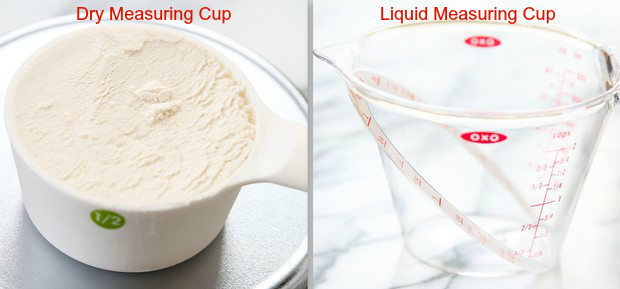
Measuring ingredients correctly is key to good cooking and baking. Liquids and dry ingredients need different tools. Using the wrong tool can cause mistakes.
This article explains how liquid and dry measurements differ. It also shows which tools work best for each type.
Measurement Tools For Liquids
Liquid measurements use special cups or spoons. These tools let you see the liquid level clearly. They often have a spout for easy pouring.
- Clear glass or plastic cups with marks
- Measuring spoons for small amounts
- Tools designed to measure fluid ounces, cups, or milliliters
Measurement Tools For Dry Ingredients
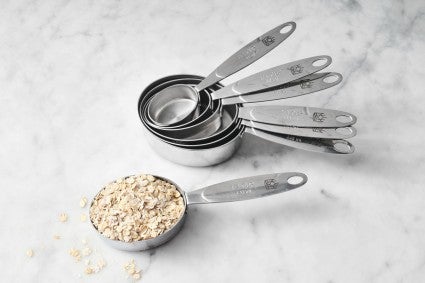
Dry ingredients need solid measuring cups or spoons. These tools let you level off the ingredient for accuracy. They measure by volume or weight.
| Tool | Purpose | Example |
| Dry Measuring Cups | Measure flour, sugar, grains | 1 cup, 1/2 cup |
| Measuring Spoons | Measure small dry amounts | 1 tsp, 1 tbsp |
| Kitchen Scale | Measure weight of ingredients | Grams or ounces |
Accuracy In Cooking And Baking
Accuracy matters more in baking than cooking. Small changes affect texture and taste. Use the right tool to get the best results.
- Use liquid cups for water, oil, milk
- Use dry cups for flour, sugar, nuts
- Level off dry ingredients with a flat edge
- Check measurements at eye level for liquids
- Consider a kitchen scale for precise results
Credit: www.kingarthurbaking.com
Common Measurement Units
Measurements in cooking and baking can be confusing. Liquid and dry ingredients use different units. Knowing these units helps you follow recipes correctly.
This guide explains common units for liquids and dry ingredients. You will also learn how to convert between these units easily.
Volume Units For Liquids
Liquids are measured by volume, which means the space they take up. Common units include cups, tablespoons, and milliliters.
- Teaspoon (tsp)
- Tablespoon (tbsp)
- Fluid ounce (fl oz)
- Cup
- Pint (pt)
- Quart (qt)
- Milliliter (ml)
- Liter (L)
Weight Vs Volume For Dry Ingredients
Dry ingredients can be measured by weight or volume. Weight uses grams or ounces. Volume uses cups or tablespoons.
Weight is more accurate for dry ingredients. Volume can vary based on how packed the ingredient is.
- Weight units: grams (g), ounces (oz)
- Volume units: cups, tablespoons, teaspoons
- Weight measures mass; volume measures space
Converting Between Units
Converting units helps when a recipe uses unfamiliar measures. Use a conversion table or calculator for accuracy.
| Unit | Equivalent |
|---|---|
| 1 cup (liquid) | 240 milliliters (ml) |
| 1 tablespoon | 15 milliliters (ml) |
| 1 teaspoon | 5 milliliters (ml) |
| 1 ounce (weight) | 28 grams (g) |
| 1 cup (dry, flour) | about 120 grams (g) |
Remember, dry ingredient weight varies by type. Use a scale for best results.
How To Measure Liquids Correctly
Measuring liquids is different from measuring dry ingredients. Using the right tools helps you get accurate amounts for your recipes.
Knowing how to avoid spills and measure sticky liquids will make cooking easier and cleaner.
Using Liquid Measuring Cups
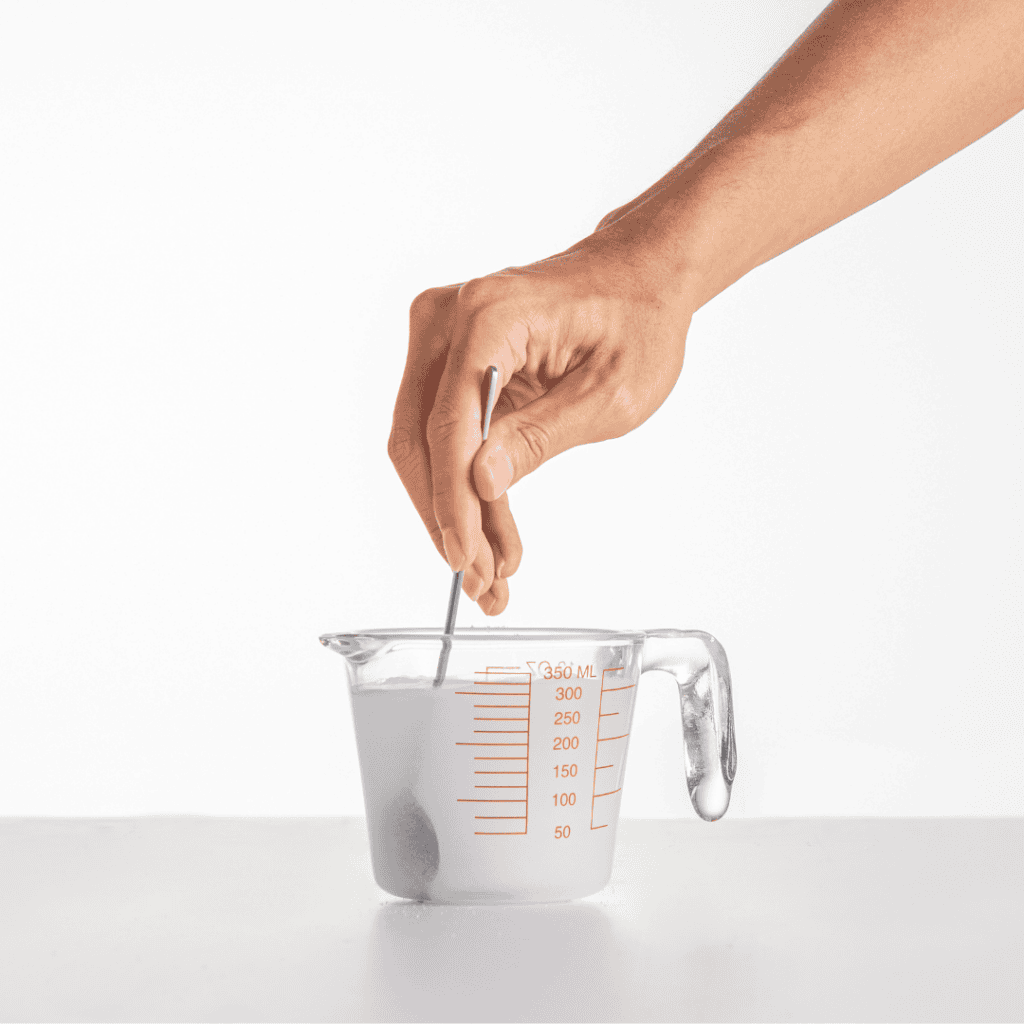
Use clear liquid measuring cups with a spout. These cups show measurements on the side and help pour liquids without making a mess.
- Place the cup on a flat surface.
- Bend down to eye level to read the measurement.
- Pour slowly to reach the desired amount.
- Check the amount twice for accuracy.
Avoiding Spills And Errors
Spills can waste ingredients and make your kitchen messy. Follow these tips to avoid common mistakes.
- Use a measuring cup with a wide spout for easy pouring.
- Pour liquids slowly and steadily.
- Keep the cup steady on a flat surface.
- Clean the cup edges before measuring again.
Measuring Sticky Liquids
Sticky liquids like honey or syrup can be hard to measure accurately. Use these tricks to get the right amount.
| Sticky Liquid | Tip for Measuring |
|---|---|
| Honey | Lightly oil the measuring cup first |
| Syrup | Warm slightly to make it flow easier |
| Molasses | Use a rubber spatula to remove all from cup |
Credit: kirbiecravings.com
How To Measure Dry Ingredients Accurately
Measuring dry ingredients correctly is important for good baking results. Dry and liquid measurements are not the same. Using the right technique helps recipes turn out well.
Dry ingredients need careful handling to avoid mistakes. This guide explains how to measure dry ingredients the right way.
Spoon And Level Method
Use a spoon to fill your measuring cup with dry ingredients. Do not scoop directly from the container. This prevents packing the ingredient too tightly.
After spooning, use a flat edge to level off the top. This gives an accurate amount without extra.
- Spoon ingredient into cup gently
- Do not shake or tap the cup
- Use a knife to level the surface
Weighing Dry Ingredients
Weighing ingredients is the most precise way to measure dry items. Use a kitchen scale and tare the container first.
Weighing avoids errors from different ingredient textures and moisture levels. It also saves time and cleanup.
- Place bowl on scale
- Reset scale to zero
- Add ingredient until desired weight
Handling Fluffy Vs Packed Ingredients
Some dry ingredients can be fluffy or packed. Flour often varies in volume depending on how it is handled.
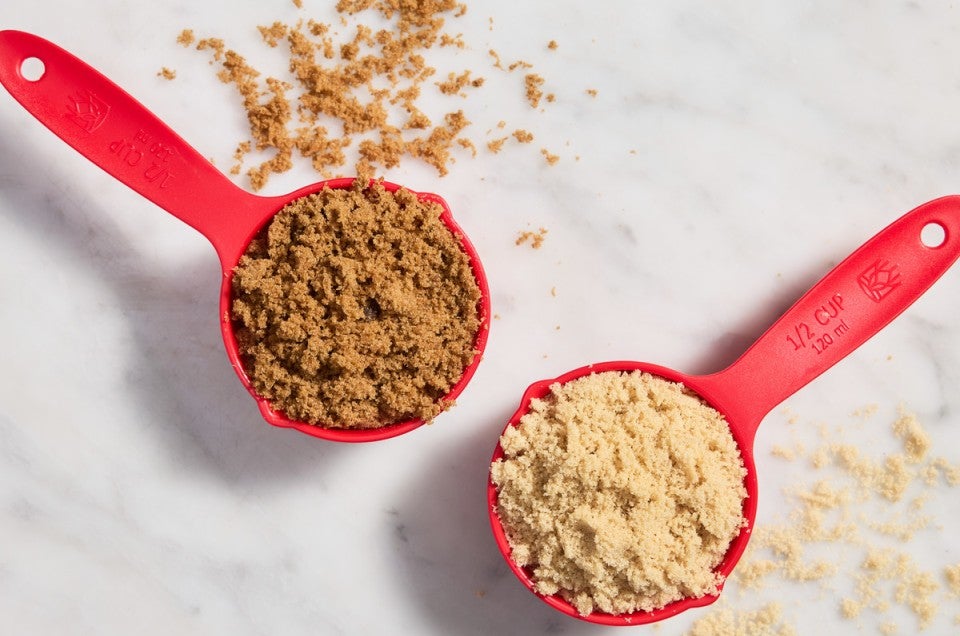
Lightly spoon flour for fluffy measurement. For packed ingredients like brown sugar, press firmly into the cup.
- Fluffy: spoon and level without tapping
- Packed: press firmly to fill all gaps
- Check recipe notes for ingredient type
Impact On Cooking And Baking Results
Liquid and dry measurements are not the same. Using the wrong type can change your recipe’s outcome. Understanding these differences helps in cooking and baking.
Measuring liquids like water or oil is done in cups or milliliters using special tools. Dry ingredients like flour or sugar need different tools and methods.
Why Precision Matters
Precision in measuring ingredients affects taste, texture, and appearance. Too much or too little can spoil a dish or make baked goods fail.
For example, extra flour can make cakes dry. Too much liquid may make batter too runny. Accurate measures create consistent results.
Common Mistakes To Avoid
Many people confuse dry and liquid measurements. Using a liquid cup for dry ingredients or packing flour can cause errors.
- Do not scoop flour directly with a cup; spoon and level it.
- Use a clear liquid measuring cup on a flat surface.
- Do not guess measurements; use proper tools.
- Check if a recipe calls for weight or volume measurements.
Adjusting Recipes For Measurement Differences
When switching between liquid and dry measurements, adjust amounts carefully. This keeps the balance of ingredients right.
Use weight measurements if possible. They are more accurate than volume and reduce mistakes.
| Ingredient | 1 Cup Dry (grams) | 1 Cup Liquid (ml) |
|---|---|---|
| Flour | 120 | Not applicable |
| Sugar | 200 | Not applicable |
| Water | Not applicable | 240 |
| Milk | Not applicable | 240 |
Tips For Consistent Measurements
Liquid and dry measurements are not always the same. Using the right tools helps you get accurate results. Consistent measurements make your cooking or baking better every time.
Learning how to measure well takes time and care. Follow these tips to improve your measurement skills.
Choosing The Right Tools
Use tools made for the type of ingredient you measure. Dry ingredients need cups or spoons that you can fill and level off. Liquid ingredients need clear measuring cups with markings.
Using the correct tool stops mistakes and saves time.
- Use dry measuring cups for flour, sugar, and grains
- Use liquid measuring cups with spouts for water, milk, and oil
- Use measuring spoons for small amounts of both dry and liquid ingredients
Maintaining Measuring Equipment
Keep your measuring tools clean and in good shape. Dirty or damaged tools cause wrong measurements. Check for cracks or worn markings often.
Store your tools where they stay dry and safe. This helps them last longer and stay accurate.
- Wash tools after every use
- Dry tools completely before storing
- Replace any tool with faded or broken markings
- Store tools in a dry, cool place
Practice And Patience
Measuring well takes practice. Take your time to fill cups or spoons correctly. Level off dry ingredients with a flat edge for accuracy.
Be patient and repeat measurements if needed. Over time, you will get better and faster.
- Fill dry cups slightly over then level with a knife
- Check liquid levels at eye level on a flat surface
- Practice measuring different ingredients often
- Learn to adjust if your tools are not exact
Credit: www.recipesandplaces.com
Frequently Asked Questions
What Is The Difference Between Liquid And Dry Measurements?
Liquid measurements use volume-based tools like measuring cups, while dry measurements rely on weight-based tools like scales. Liquid ingredients are measured by volume, ensuring precision in recipes. Dry ingredients often need to be leveled for accuracy. Understanding these differences ensures better cooking results, especially in baking.
Can I Use A Liquid Measuring Cup For Dry Ingredients?
It’s not recommended to use a liquid measuring cup for dry ingredients. Liquid measuring cups are designed for pouring and may not provide precise measurements for dry ingredients. Use specific dry measuring cups to ensure accuracy, as they allow leveling off excess for exact amounts needed in recipes.
How Do I Measure Dry Ingredients Accurately?
To measure dry ingredients accurately, use dry measuring cups and level them with a flat edge. Fill the cup without packing the ingredient, then scrape off the excess with a knife. This ensures you have the exact amount needed for the recipe, leading to better cooking results.
Why Are Accurate Measurements Important In Baking?
Accurate measurements in baking ensure consistency and success in recipes. Baking is a science, requiring precise ingredient ratios to achieve desired textures and flavors. Inaccurate measurements can lead to dense cakes, tough cookies, or unbalanced flavors. Ensuring precision helps maintain the intended outcome and quality of baked goods.
Conclusion
Liquid and dry measurements serve different purposes in cooking. Using them interchangeably can cause errors in recipes. Liquid measurements use cups or milliliters for fluids. Dry measurements use cups or grams for solids. Always measure ingredients with the correct tools.
This ensures your dishes turn out just right. Understanding the difference helps avoid cooking mistakes. It makes your cooking easier and more accurate. Keep measuring tools handy for best results. Simple steps lead to better meals every time.