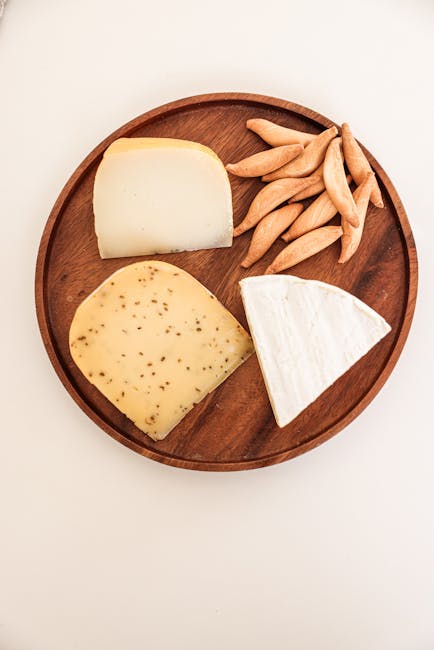
If you want your charcuterie board to look as good as it tastes, cutting round cheese the right way is key. You might think slicing cheese is simple, but the way you cut it can change everything—from the presentation to the ease of serving.
Whether you’re hosting a party or enjoying a quiet night in, knowing how to cut round cheese neatly will make your board stand out. Keep reading, and you’ll learn easy tips that turn your cheese into bite-sized pieces everyone will love.
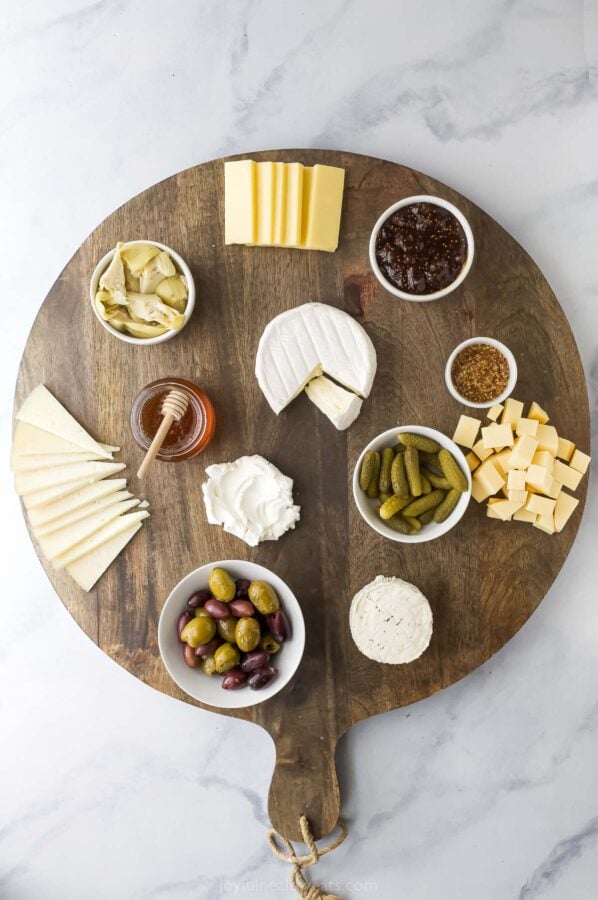
Credit: www.joyfulhealthyeats.com
Choosing The Right Cheese
Picking the right cheese is key for a great charcuterie board. Round cheeses offer variety in taste and texture.
Understanding types, textures, and pairings helps you create a balanced board everyone enjoys.
Types Of Round Cheese
Round cheeses come in many kinds. Some are soft and creamy, while others are hard and crumbly. Popular types include Brie, Camembert, Gouda, and Manchego.
- Brie:Soft, creamy, with a white rind.
- Camembert:Similar to Brie but stronger flavor.
- Gouda:Semi-hard, smooth, and nutty.
- Manchego:Firm, buttery, and slightly salty.
Texture And Firmness Considerations
Cheese texture affects how you cut it and how it feels on the palate. Soft cheeses are easy to slice or scoop. Hard cheeses need firm cuts and break differently.
| Cheese Type | Texture | Cutting Tip |
|---|---|---|
| Brie | Soft and creamy | Cut into wedges or scoop |
| Camembert | Soft with rind | Cut similar to Brie |
| Gouda | Semi-hard | Slice thin or cube |
| Manchego | Firm and dense | Slice thin or shave |
Pairing Cheese With Board Elements
Good pairings balance flavors and textures. Think about fruits, nuts, meats, and crackers that match your cheese choices.
- Soft cheeses go well with sweet fruits like grapes or figs.
- Hard cheeses pair nicely with crunchy nuts and crusty bread.
- Semi-hard cheeses match well with cured meats and olives.
- Add mild crackers to balance strong flavors.

Credit: themodernproper.com
Essential Tools For Cutting
Cutting round cheese for a charcuterie board needs the right tools. Good tools make slicing easier and safer.
Using proper tools helps keep cheese shapes neat and appealing on your board.
Knives And Cheese Wire Options
Sharp knives and cheese wires are best for cutting round cheese. Each tool works well for different cheese types.
Knives can slice hard and semi-soft cheeses. Cheese wires cut soft cheese smoothly without squishing it.
- Cheese knives with thin, sharp blades
- Wire cutters or cheese slicers with replaceable wires
- Cheese plane for thin slices
Cutting Boards And Accessories
Choose a sturdy cutting board to cut cheese safely. Wood or plastic boards work well.
Accessories like cheese markers and small spatulas help serve cheese neatly on the board.
- Non-slip cutting board to keep cheese steady
- Small cheese knives for serving
- Cheese markers to label types
- Spatulas or forks to lift slices
Safety Tips
Always cut cheese on a flat surface. Keep your fingers away from the blade.
Use slow, steady motions. Clean tools after use to avoid slipping.
- Keep knives sharp to reduce force needed
- Cut away from your body
- Use a damp cloth under the board to stop slipping
- Clean tools immediately after cutting
Preparing The Cheese
Cutting round cheese correctly makes your charcuterie board look great. Preparing cheese well keeps its flavor and texture.
Before cutting, learn simple tips about chilling and removing the rind if needed. These steps help you serve cheese at its best.
Chilling And Temperature Tips
Cheese tastes better when served at the right temperature. Too cold, and the cheese becomes hard. Too warm, and it can be oily or soft.
- Keep cheese in the fridge until 30 minutes before serving.
- Let cheese sit at room temperature for a while.
- Use a clean, dry knife for cutting to avoid sticking.
- Cut cheese on a clean board to keep it fresh.
Removing Rind When Needed
Some cheeses have edible rinds, while others do not. Removing the rind depends on taste and cheese type.
| Cheese Type | Rind Edible? | Remove Rind? |
|---|---|---|
| Brie | Yes | No |
| Parmesan | No | Yes |
| Gouda | Usually No | Yes, if waxed |
| Cheddar | No | Yes |
Cutting Techniques
Cutting round cheese for a charcuterie board requires different techniques. Each cut shows the cheese in a new way.
Choosing the right cut helps guests enjoy the cheese easily. It also adds style to your board.
Slicing Thin Wedges
Slicing thin wedges works well with soft or semi-hard round cheeses. Cut from the center outward to keep the shape.
Use a sharp knife to make clean cuts. Thin wedges are easy to pick up and taste.
Creating Cubes And Blocks
Cutting cheese into cubes or blocks fits firmer rounds. First, slice the cheese into even slabs.
Then cut the slabs into squares or rectangles. Cubes and blocks offer good bite-sized pieces.
- Cut round cheese into equal slabs
- Slice slabs into cubes or blocks
- Keep sizes consistent for easy serving
Shaving And Crumbling
Shaving thin slices works best with hard cheeses. Use a vegetable peeler or cheese plane to get thin curls.
Crumbling is good for crumbly cheeses like aged rounds. Break the cheese into small pieces by hand.
- Use a peeler for thin cheese shavings
- Crumble cheese gently with your fingers
- Arrange shavings and crumbles on the board
Arranging Cheese On The Board
Cutting round cheese for a charcuterie board is just the start. How you place the cheese matters a lot. Good arrangement makes the board look tasty and inviting.
Think about shapes, colors, and textures. These details help the board look balanced and interesting. Small touches can make a big difference.
Balancing Shapes And Sizes
Use different shapes and sizes to create balance on the board. Cut round cheese into wedges or slices to add variety. Mix big pieces with small ones for a natural look.
Place larger cheese pieces first. Then fill spaces with smaller cuts. This helps the board look neat and full without crowding.
- Cut round cheese into wedges or thin slices
- Use whole small rounds for variety
- Mix large chunks with bite-sized pieces
- Space pieces evenly to avoid clutter
Combining Textures And Colors
Mix soft, hard, and crumbly cheeses to add texture. Combine pale and bright colors for a pleasing look. This variety makes the board more fun to eat and see.
Place contrasting textures next to each other. Add colorful cheese like orange cheddar near white Brie. This makes the board lively and attractive.
- Soft cheese with hard cheese
- Light colors next to dark colors
- Crumbly cheese near smooth cheese
- Use natural rind for color contrast
Adding Garnishes
Garnishes add flair and taste to your cheese board. Use fresh herbs, nuts, or fruit slices. These add color and texture around the cheese.
Place garnishes in small groups or scatter them evenly. This fills empty spaces and makes the board look complete and inviting.
- Sprigs of rosemary or thyme
- Almonds, walnuts, or pecans
- Grapes, figs, or apple slices
- Drizzles of honey or small jams

Credit: theheartylife.org
Storing Leftover Cheese
Leftover round cheese can lose flavor and texture if not stored well. Proper storage keeps cheese fresh longer.
Learn easy ways to wrap, store, and know how long your cheese will last.
Wrapping Methods
Use the right wrapping to protect cheese from drying out and absorbing fridge smells.
- Wrap cheese in wax paper or parchment paper first.
- Cover the wrapped cheese with aluminum foil or place in a loose plastic bag.
- Avoid tight plastic wrap directly on cheese to let it breathe.
- Change wrapping if it becomes damp to prevent mold.
Ideal Storage Conditions
Cheese stores best in a cool, moist place inside your fridge.
| Condition | Recommended Range |
| Temperature | 35°F to 45°F (2°C to 7°C) |
| Humidity | 85% to 90% humidity |
| Storage Location | Vegetable drawer or cheese drawer |
Shelf Life Tips
Knowing how long cheese stays good helps avoid waste and food safety issues.
- Hard cheeses last 3 to 4 weeks after opening.
- Semi-soft cheeses should be used within 1 to 2 weeks.
- Check for signs of mold, slime, or bad smell before eating.
- If mold appears on hard cheese, cut off at least 1 inch around it.
- Soft cheeses with mold should be discarded.
Frequently Asked Questions
How Do You Cut Round Cheese For Charcuterie?
To cut round cheese, use a sharp knife. Start by slicing the cheese in half, then into wedges. For even pieces, rotate the cheese while slicing. Wedges are perfect for a charcuterie board as they provide easy serving sizes.
What Tools Are Best For Cutting Round Cheese?
A sharp cheese knife is essential for cutting round cheese. Consider a wire cheese slicer for softer cheeses. A cheese plane can create thin slices, ideal for serving. These tools ensure clean cuts and enhance presentation on your charcuterie board.
How Do You Maintain Cheese Shape While Cutting?
To maintain shape, chill the cheese before cutting. Use gentle pressure with a sharp knife. For round cheeses, rotate while slicing to keep consistent shapes. This method preserves the cheese’s appearance and provides uniform pieces for your charcuterie board.
Can You Cut Round Cheese With A Wire Cutter?
Yes, a wire cheese cutter works well for soft cheeses. It provides smooth, precise cuts without much pressure. For best results, stabilize the cheese and slice evenly. This tool is ideal for maintaining the cheese’s round shape while preparing your charcuterie board.
Conclusion
Cutting round cheese for your charcuterie board is simple and fun. Use a sharp knife and steady hands for clean slices. Try cutting wedges, cubes, or thin rounds to add variety. Arrange the pieces neatly to make your board look inviting.
Remember, small cuts work best for sharing. Enjoy pairing cheese with meats, fruits, and nuts. A well-cut cheese helps everyone enjoy the flavors easily. Practice makes perfect, so keep trying different styles. Your charcuterie board will look beautiful and taste great every time.