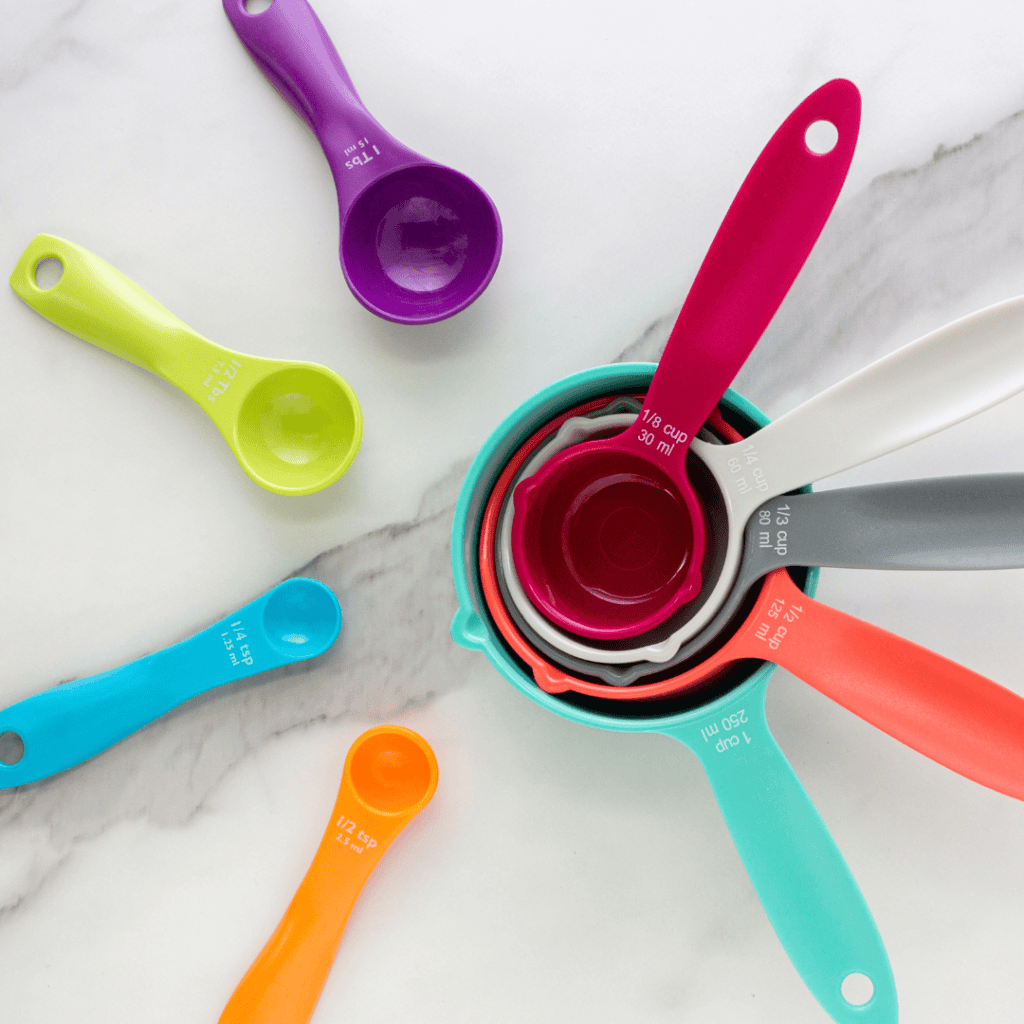
Have you ever started a recipe only to get stuck wondering, “How can I measure 1/3 cup?” It’s a small amount, but getting it right can make all the difference in your cooking or baking.
You don’t need fancy tools or guesswork to nail this measurement every time. You’ll discover simple, foolproof ways to measure 1/3 cup accurately—using items you probably already have at home. Keep reading, and you’ll never have to stress over this tricky measurement again.

Credit: www.youtube.com
Tools For Measuring 1/3 Cup
Measuring 1/3 cup accurately is important in cooking and baking. Using the right tools helps you get consistent results.
Several tools can help you measure 1/3 cup easily. Let’s explore some common options found in most kitchens.
Standard Measuring Cups
Standard measuring cups are the easiest way to measure 1/3 cup. These cups come in sets with different sizes.
- Look for a 1/3 cup size in your measuring cup set.
- Fill the cup with the ingredient until it reaches the top.
- Level off the ingredient with a flat edge for accuracy.
- Use liquid measuring cups for wet ingredients and dry cups for solids.
Kitchen Scales
Kitchen scales measure ingredients by weight. This method can be more precise than volume.
| Ingredient | Weight for 1/3 Cup |
| All-purpose flour | 43 grams |
| Sugar | 67 grams |
| Butter | 76 grams |
Place a bowl on the scale and zero it out. Add the ingredient until you reach the correct weight.
Alternative Household Items
You can use some common household items to estimate 1/3 cup if you do not have measuring tools.
- A standard ice cream scoop usually holds about 1/3 cup.
- A large soup spoon can hold close to 1/3 cup of liquid.
- Use a small bowl or cup that you know the volume of, then divide accordingly.
Credit: www.recipesandplaces.com
Step-by-step Measuring Tips
Measuring 1/3 cup correctly helps your recipe turn out just right. Using the right tools and techniques makes it easy.
This guide shows simple ways to measure both dry and liquid ingredients accurately. Follow these steps for best results.
Leveling Off Ingredients
For dry ingredients, fill the 1/3 cup until it is heaping. Then use a flat edge to level it off.
Leveling removes extra ingredient and gives you the exact amount needed for your recipe.
- Fill the measuring cup slightly over the top
- Use a butter knife or spatula to scrape off excess
- Make sure the surface is flat and even
Using Liquid Measuring Cups
Use a clear liquid measuring cup with measurement marks. Pour liquid slowly to avoid spilling.
Place the cup on a flat surface and check the amount at eye level to get an accurate reading.
- Place the cup on the counter
- Pour liquid until the 1/3 cup line is reached
- Check the level by bending down to eye height
- Add or remove liquid as needed
Measuring Dry Ingredients Accurately
Spoon dry ingredients into the 1/3 cup instead of scooping. This helps avoid packing the ingredient.
After spooning, level off with a flat tool for the right amount.
- Use a spoon to fill the measuring cup gently
- Do not shake or tap the cup to settle the ingredient
- Level off with a straight edge
Quick Hacks For 1/3 Cup
Measuring 1/3 cup can be tricky if you don’t have the right tools. There are easy hacks to help you get it right without a 1/3 cup measuring cup.
These quick tricks use common kitchen tools and visual tips. You can measure 1/3 cup accurately with what you already have.
Using Tablespoons And Teaspoons
You can measure 1/3 cup using tablespoons and teaspoons. This is handy if you only have smaller spoons.
One cup equals 16 tablespoons. So, 1/3 cup is about 5 tablespoons plus 1 teaspoon.
- 1/3 cup = 5 tablespoons + 1 teaspoon
- 1 tablespoon = 3 teaspoons
- Use these measurements for dry and liquid ingredients
Visual Estimation Techniques
You can guess 1/3 cup by looking at common containers. For example, a standard ice cream scoop holds about 1/3 cup.
Use a clear measuring cup and fill it to one-third of the cup’s total height. This helps with quick visual guesses.
- Fill a 1-cup container to one-third of its height
- Use a standard ice cream scoop for easy portioning
- Practice with dry ingredients for better accuracy
Adjusting For Ingredient Density
Not all ingredients fill a cup the same way. Flour is light and fluffy. Brown sugar is packed tight. Adjust your measurement accordingly.
For fluffy ingredients, gently spoon into your measuring tool. For dense ingredients, press down lightly to fit more.
- Flour: scoop lightly without packing
- Brown sugar: press down to pack tightly
- Liquids: measure at eye level on a flat surface
Common Measuring Mistakes
Measuring 1/3 cup accurately is important for cooking and baking. Small errors can change the taste and texture of food.
Many people make simple mistakes that affect their measurements. Knowing these mistakes helps you measure better.
Overpacking Ingredients
Overpacking happens when you press ingredients too hard into the measuring cup. This adds more than the recipe calls for.
For dry ingredients like flour or sugar, scoop gently and level off the top with a flat edge. Do not shake or tap the cup.
- Use a spoon to fill the cup lightly
- Level with a knife or spatula
- Avoid pressing or shaking the ingredients
Ignoring Measuring Cup Variations
Measuring cups come in different sizes and shapes. Not all 1/3 cups are exactly the same volume.
Use a standard measuring cup designed for dry or liquid ingredients. Avoid using random containers or kitchenware.
- Check if the cup is marked clearly
- Use liquid cups for wet ingredients
- Use dry cups for dry ingredients
Measuring On Uneven Surfaces
Measuring cups must be placed on a flat, even surface. Holding the cup in your hand can cause wrong readings.
Place the cup on a table or countertop. Look at the level of the ingredient at eye level to measure accurately.
- Use a flat surface like a kitchen counter
- Check the ingredient level from the side
- Do not tilt or hold the cup while measuring
Tips For Consistent Results
Measuring 1/3 cup correctly can be tricky. Small errors affect your recipe’s outcome.
Use these tips to get steady and accurate measurements every time you cook or bake.
Calibrating Your Tools
Measuring cups can vary in size. Check if your cup matches standard measurements.
| Tool | How to Check | Why It Matters |
| Measuring Cup | Fill with water to 1 cup line, pour into a liquid measuring cup | Ensures volume is correct |
| Spoon | Compare with a known tablespoon or teaspoon | Prevents over- or under-measuring |
| Scale | Use known weights to verify accuracy | Helps with dry ingredients by weight |
Storing Ingredients Properly
Ingredients change in volume if not stored well. Moisture can cause clumping or settling.
- Keep dry ingredients in airtight containers
- Store flour and sugar in a cool, dry place
- Use fresh ingredients within their shelf life
- Shake or sift ingredients before measuring
Practicing Regular Measurement
Practice helps you measure 1/3 cup with ease and accuracy. Repeat to build skill.
- Fill the 1-cup measure with ingredient
- Estimate one-third by eye or use a 1/3 cup scoop
- Level off with a flat edge for accuracy
- Weigh ingredients with a kitchen scale for practice
- Compare results and adjust technique if needed

Credit: rhondasues.com
Frequently Asked Questions
How Can I Measure 1/3 Cup Without A Measuring Cup?
To measure 1/3 cup without a measuring cup, use tablespoons. One-third cup equals 5 tablespoons plus 1 teaspoon. Alternatively, you can estimate by filling a standard cup and visually dividing it into three equal parts, using one of those parts.
What Is The Equivalent Of 1/3 Cup In Tablespoons?
One-third cup is equivalent to 5 tablespoons and 1 teaspoon. This conversion is helpful when you don’t have a 1/3 cup measure. Using tablespoons ensures more precise measurements for your recipes, especially in baking where accuracy is crucial.
Can I Use A Scale To Measure 1/3 Cup?
Yes, you can use a scale to measure 1/3 cup. Weigh 43 grams of a dry ingredient for 1/3 cup. For liquid, weigh 80 milliliters. Using a scale provides precise measurements, ensuring consistency in your recipes.
Is 1/3 Cup The Same As 5 Tablespoons?
Yes, 1/3 cup is the same as 5 tablespoons plus 1 teaspoon. This conversion helps when you’re missing a 1/3 cup measure. Remembering this simple conversion can make cooking and baking more efficient and accurate.
Conclusion
Measuring 1/3 cup can be simple and quick. Use a 1/3 cup measuring tool if you have one. No tool? Use spoons or estimate with a 1/4 cup plus a little extra. Practice helps you get it right every time.
This small skill makes cooking and baking easier. Try these tips next time you cook. Your recipes will turn out just right. Keep measuring simple and enjoy your food!