
Have you ever started a recipe only to realize you don’t have the right measuring cup? Measuring half a cup might seem tricky without the proper tool, but you’re about to discover simple, clever ways to get it just right.
Whether you’re in a hurry or missing kitchen essentials, these easy tricks will save your cooking and baking from going off track. Keep reading, and you’ll never have to guess again—your dishes will turn out perfect every time.
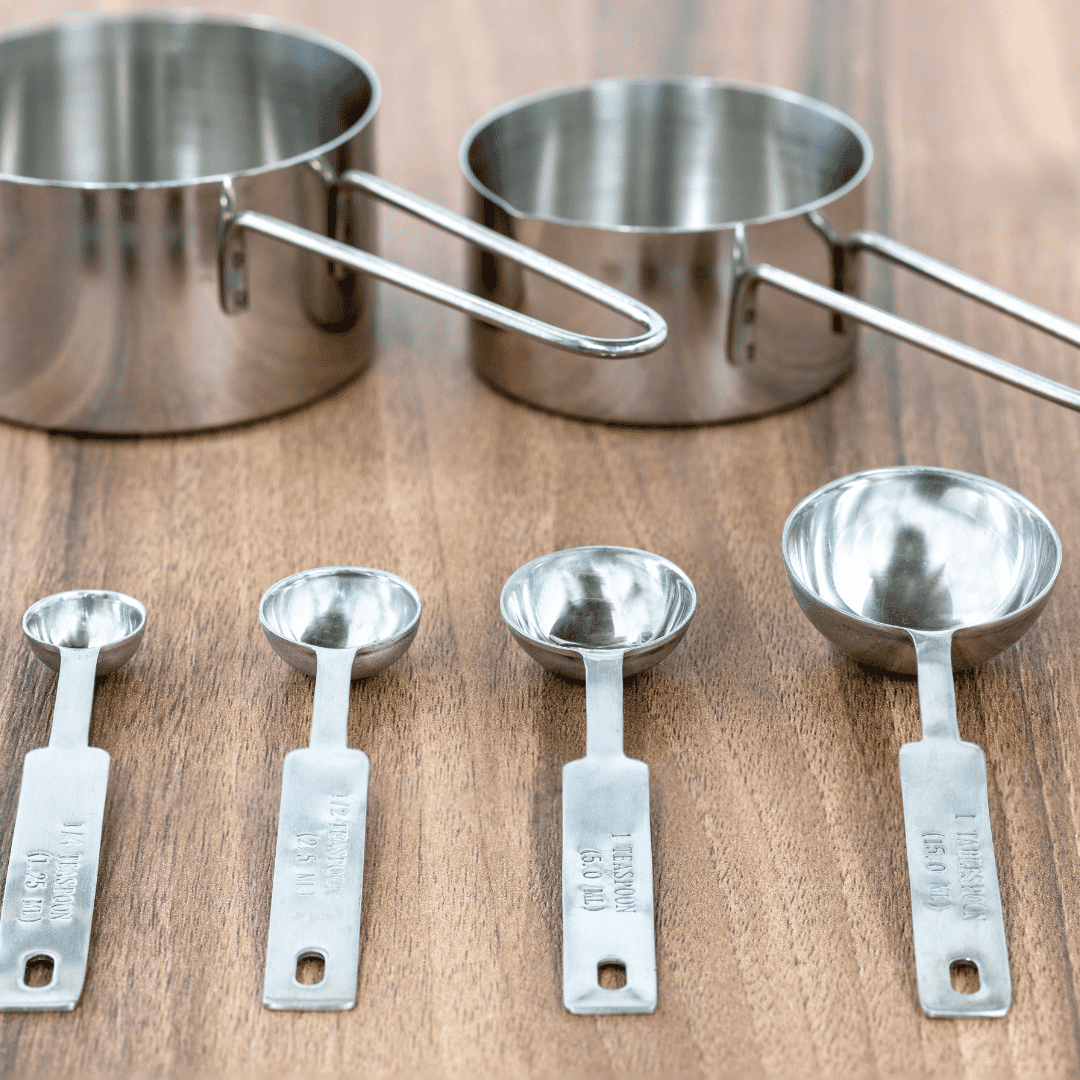
Credit: www.recipesandplaces.com
Common Household Items As Measuring Tools
Sometimes you need to measure half a cup but do not have a measuring cup. You can use common household items to get the right amount.
These items are easy to find and can help you measure ingredients accurately for your recipes.
Using A Tablespoon
A tablespoon is a good tool for measuring small amounts. One half cup equals 8 tablespoons.
Fill the tablespoon eight times to get half a cup of your ingredient.
- 1 tablespoon = 3 teaspoons
- 8 tablespoons = ½ cup
- Use a level tablespoon for accuracy
Using A Standard Spoon
A standard spoon is smaller than a tablespoon. It usually holds about 1 teaspoon.
To measure half a cup, use 24 level spoons. It takes more time but works well.
- 1 standard spoon ≈ 1 teaspoon
- 6 teaspoons = 2 tablespoons
- Use 24 spoons to equal ½ cup
Using A Drinking Glass
Drinking glasses come in many sizes. Find one with volume markings if possible.
If your glass holds 1 cup, fill it halfway to get half a cup. Use water to mark the level.
- Check if the glass has volume marks
- Fill halfway for half a cup
- Use water to measure then transfer ingredient
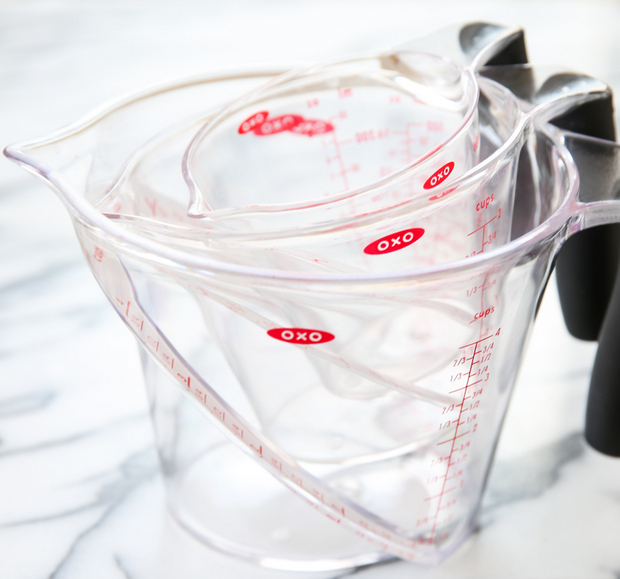
Credit: kirbiecravings.com
Visual Portion Estimates
Measuring half a cup without a measuring cup is easy with visual estimates. You can use your hands, containers, or everyday objects.
These simple tricks help you cook or bake when measuring tools are not nearby. Learn how to guess half a cup quickly.
Half A Cup In Handfuls
You can use your hand to estimate half a cup. A typical handful of many foods is close to half a cup.
For example, dry ingredients like rice or nuts can fit in one or two handfuls to equal half a cup.
- One small handful of chopped vegetables is about half a cup
- Two handfuls of leafy greens can equal half a cup
- A handful of nuts or seeds often matches half a cup
Using A Food Container
Use small food containers to estimate half a cup. Many containers have volume marks or standard sizes.
A typical ice cream scoop or small bowl often holds close to half a cup.
- Fill a small bowl halfway to estimate half a cup
- Use a standard ice cream scoop for a rough half-cup measure
- Check container labels for volume information
Comparing To Everyday Objects
Compare half a cup to common objects around you. This helps you visualize the amount without tools.
Many items like tennis balls or cupcake liners are close in size to half a cup.
- Half a cup is about the size of a tennis ball
- It matches the volume of a standard cupcake liner
- A small juice glass is often half a cup
Creative Kitchen Hacks
Measuring ingredients is important for cooking and baking. Sometimes, you may not have a measuring cup ready.
Here are easy ways to measure half a cup without a measuring cup using common kitchen items.
Filling A Plastic Bag
Use a clean plastic bag to measure half a cup by filling it with your ingredient. You can compare it to a known amount.
First, find a small container or use a tablespoon to fill the bag. Count how many spoonfuls equal half a cup.
- 1 tablespoon equals about 15 ml
- 8 tablespoons make half a cup
- Fill the bag with 8 spoonfuls to get half a cup
Using Eggshell Halves
Eggshell halves can work as small scoops for measuring dry ingredients. Use clean halves from large eggs.
One large eggshell half holds about one tablespoon. Fill it 8 times to get half a cup.
- Wash and dry eggshell halves before use
- Fill each half gently with the ingredient
- Count 8 fills for half a cup
Marking A Jar Or Bottle
Use a jar or bottle to measure half a cup by marking the right level on it. This helps for future use.
Pour water into the jar and mark the half cup level with a waterproof marker or tape.
- Half a cup equals 120 ml
- Fill the jar with 120 ml of water
- Mark the water line on the jar or bottle
- Use this mark to measure dry or liquid ingredients
Credit: foodnutters.com
Tips For Accuracy
Measuring half a cup without a measuring cup can be tricky. Using simple tips helps you get the right amount.
These tips improve your baking and cooking results by making your measurements more exact.
Leveling Ingredients
Fill your spoon or container with the ingredient. Then, use a flat edge to level it off. This removes extra bits on top.
Leveling makes sure you use the exact amount, not too much or too little.
- Use the back of a knife or a straight edge
- Do not press down hard; gently level the surface
- Check that the ingredient is even with the edge
Adjusting For Dry Vs. Liquid
Dry ingredients like flour need to be scooped and leveled. Liquids should be measured in a container you can see through.
For liquids, pour slowly and check at eye level to avoid overfilling.
- Dry: Spoon into your container, then level off
- Liquid: Use a small clear cup or jar
- Place liquid container on a flat surface
- Check measurement at eye height
Double Checking With Weight
Use a kitchen scale to weigh ingredients if you have one. Weight gives a more exact amount than volume.
Check the recipe for the weight of half a cup. Compare your weighed ingredient to the target weight.
| Ingredient | Weight for ½ Cup |
|---|---|
| Flour | 60 grams (2.1 ounces) |
| Sugar | 100 grams (3.5 ounces) |
| Butter | 113 grams (4 ounces) |
| Milk | 120 grams (4.2 ounces) |
Frequently Asked Questions
How Can I Measure Half A Cup Without Tools?
You can use common kitchen items to estimate half a cup. A standard coffee cup is roughly equivalent to one cup. Fill it halfway to approximate half a cup. Alternatively, use a tablespoon. Eight tablespoons equal half a cup. These methods provide a practical solution when measuring cups aren’t available.
Can I Use My Hand To Estimate Half A Cup?
Yes, your hand can help estimate half a cup. The palm of an average adult hand holds about half a cup. This method works best with dry ingredients. Use it as a rough guide when measuring cups are unavailable.
What Household Items Are Similar To Half A Cup?
Several household items approximate half a cup. A small juice glass or a yogurt container can be similar. These items help estimate measurements in the kitchen. Ensure they hold about four fluid ounces for accuracy.
How Accurate Is Using Visual Estimation?
Visual estimation is not as accurate as measuring cups. However, it offers a convenient alternative. For recipes requiring precision, especially in baking, use proper tools. Rely on visual estimation for less precise cooking needs. Practice improves accuracy over time.
Conclusion
Measuring half a cup without a cup is easy with simple tools. Use spoons, common objects, or your hands to get close. These tricks save time and keep cooking smooth. Practice a little, and you’ll measure confidently every time. Cooking doesn’t need fancy tools to be fun and tasty.
Try these methods next time you cook without a measuring cup. You’ll find it simple, quick, and helpful in any kitchen.