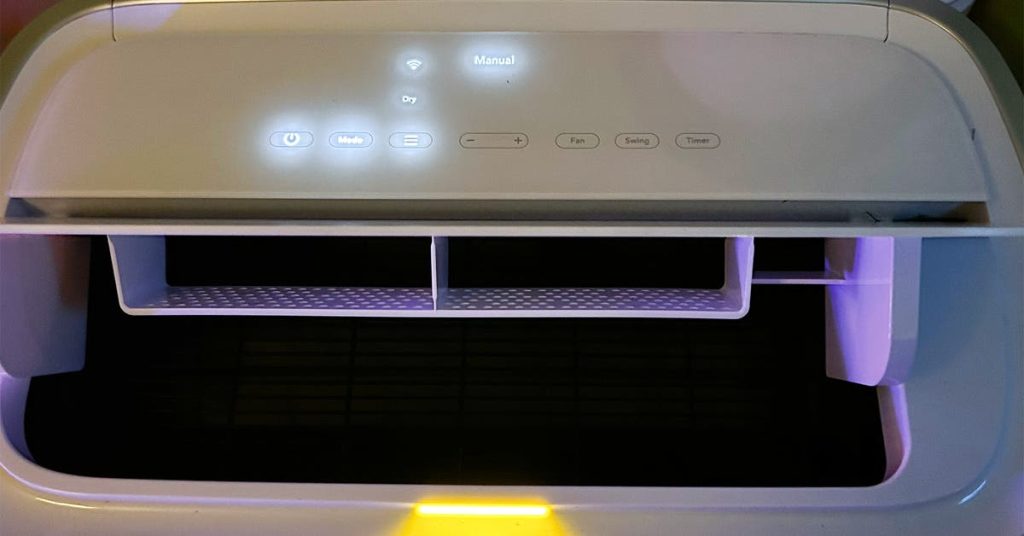
Have you ever wondered if your air conditioner does more than just cool your room? You might notice the air feels less sticky and more comfortable when the AC is on.
That’s because your air conditioner can actually help remove moisture from the air. But how exactly does it do that? And is it enough to keep your home truly dry? If you want to understand how your AC affects humidity and what that means for your comfort, keep reading.
You’ll discover simple facts that can change the way you use your air conditioner every day.

Credit: www.duracomfort-life.com
How Air Conditioners Remove Moisture
Air conditioners remove moistureby cooling the air inside a room. Warm air holds more moisture than cool air. When the air passes over the cold coils of the AC, the temperature drops. This causes moisture in the air to condenseinto water droplets.
The water droplets then collect on the coils and drip into a drain pan. This process lowers humidityin the room, making the air feel cooler and drier. The dry air is then blown back into the room.
The refrigerantinside the AC plays a key role in this. It absorbs heat from the warm air, cooling it down. As the refrigerant moves through the system, it changes from a gas to a liquid and back. This cycle helps the AC remove heat and moisture effectively.
Credit: www.greenwashingindex.com
Factors Affecting Dehumidification Efficiency
Room sizeand air conditioner capacitymust match well. A small AC in a large room cannot remove moisture efficiently. Large rooms need higher capacity units for better dehumidification.
Humidity levelsaffect how well an AC dehumidifies. Higher humidity means the AC works harder to remove moisture. Temperature also plays a role; cooler air holds less moisture, so the AC removes more water at higher temperatures.
Maintenanceis key. Dirty filters block airflow and reduce moisture removal. Regular cleaning or changing filters keeps the AC working well. Proper upkeep ensures the unit dehumidifies effectively and lasts longer.
Comparing Air Conditioners And Dehumidifiers
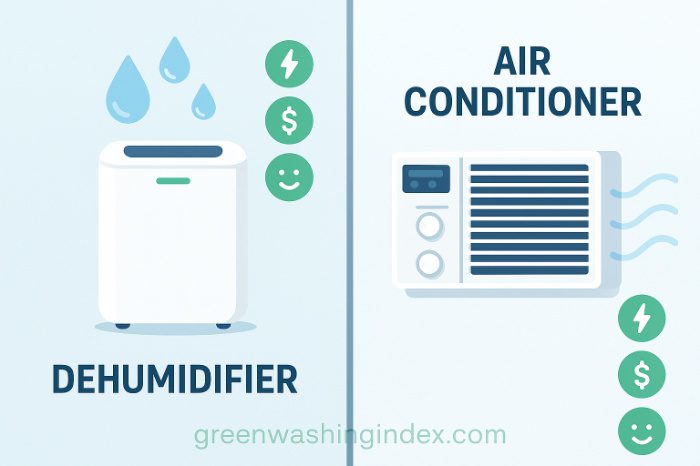
Air conditionersmainly cool the air by removing heat. They also reduce humiditybut this is a side effect, not the main goal. Dehumidifiersare designed specifically to remove moisturefrom the air. They work by pulling warm air over cold coils to collect water. Air conditioners cool rooms and make them feel comfortable. Dehumidifiers help to lower dampness, which can stop mold and mildew.
| Feature | Air Conditioner | Dehumidifier |
|---|---|---|
| Primary Function | Cool air | Remove moisture |
| Energy Use | Higher for cooling large areas | Lower for moisture control |
| Cost | More expensive upfront and to run | Usually cheaper and uses less energy |
| Best Use | Cooling rooms | Controlling humidity in damp spaces |
- Air conditioners are best for hot weather.
- Dehumidifiers work well in damp or humid areas.
- For both cool and dry air, use an air conditioner.
- To protect against mold, a dehumidifier is better.
Signs Your Air Conditioner Isn’t Dehumidifying Well
Air conditioners remove moisture from the air to keep rooms comfortable. Poor dehumidifying may cause dampness, musty smells, or a sticky feeling indoors. Notice if your AC runs but humidity stays high or condensation forms on windows.
Persistent Dampness Or Musty Smells
Rooms feel weteven after running the AC. Walls or floors stay damp. Musty or moldy smells appear, showing excess moisture.
Excessive Water Leakage
Water drips from the AC unit. Drain pans overflow or pipes leak. This means the unit is not removing enough moisture.
Frequent Cycling And Poor Cooling
The AC turns on and off often, called short cycling. This wastes energy and does not cool well. It may struggle to keep rooms dry.
Tips To Improve Air Conditioner Dehumidification
Setting the thermostat between 72°F and 78°Fhelps air conditioners remove moisture effectively. Avoid setting it too low; it may cause excess energy use without better dehumidification.
Cleaning or replacing air filters regularly keeps the system working well. Dirt blocks airflow and lowers the AC’s ability to remove humidity. Checking the coils and drain lines prevents clogs that trap moisture inside.
Using fans can help move air around the room. This lets the AC pull in more humid air to dry. Opening windows briefly improves ventilation and lowers indoor humidity too.
Expert Recommendations For Humidity Control
Air conditioners help reduce some humidity by cooling the air. But they do not remove all moisture well. A dedicated dehumidifierworks better for high humidity areas. Use one if rooms feel damp or sticky, or if mold appears.
Smart home devices can control temperature and humidity automatically. They adjust settings to keep air comfortable and dry. This saves energy and keeps rooms healthier.
| Professional HVAC Assessment | Why It Helps |
|---|---|
| Check system size | Ensures air conditioner or dehumidifier fits room size |
| Inspect humidity levels | Identifies if extra dehumidification is needed |
| Recommend upgrades | Suggests better equipment or smart controls |

Credit: www.nytimes.com
Frequently Asked Questions
How Does An Air Conditioner Dehumidify Air?
An air conditioner removes humidity by cooling warm air. The cooling process causes moisture to condense into water. This water is then drained away, reducing the humidity in the room. The end result is a cooler and more comfortable environment.
Do All Air Conditioners Dehumidify?
Yes, all air conditioners have a dehumidifying effect. The cooling process naturally removes moisture from the air. However, some models have dedicated dehumidification settings for better control. It’s important to check the specifications for optimal performance.
Is An Air Conditioner A Good Dehumidifier?
Air conditioners can dehumidify, but they aren’t as effective as dedicated dehumidifiers. Dehumidifiers are specifically designed to remove moisture. They can be more efficient and effective in very humid environments. Use an air conditioner for moderate dehumidification needs.
Can Air Conditioners Reduce Humidity In Large Spaces?
Air conditioners can reduce humidity in large spaces, but efficiency varies. A larger unit may be necessary for effective dehumidification. Ensure the air conditioner is appropriately sized for the space. Consider additional units or dehumidifiers for better results.
Conclusion
Air conditioners do remove moisture from the air while cooling. This helps make the room feel less sticky and more comfortable. But they are not designed to fully dry the air like a dehumidifier. For very damp spaces, a separate dehumidifier works better.
Still, your air conditioner can reduce humidity somewhat during hot days. Knowing this helps you manage indoor air better. Choose the right device to keep your home fresh and pleasant. Simple steps can improve your comfort and health indoors.