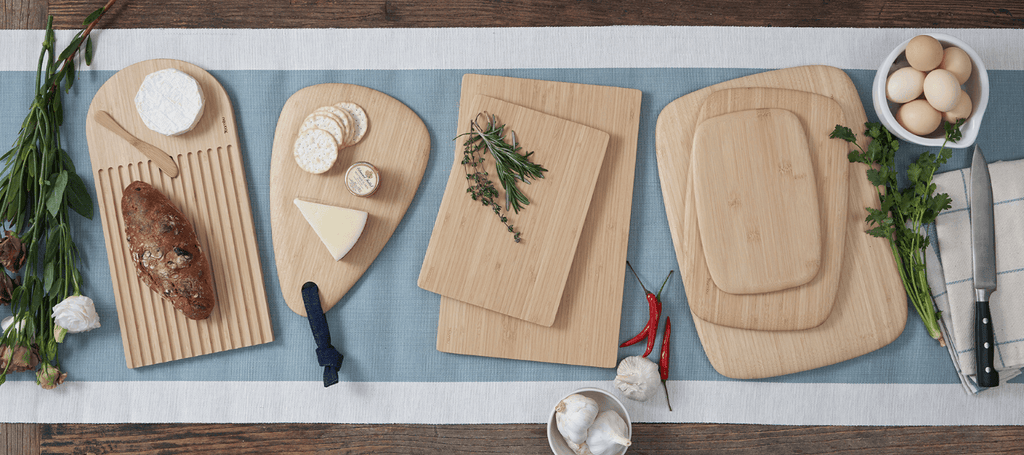
Are you thinking about upgrading your kitchen tools and wondering if bamboo cutting boards are the right choice for you? Choosing the perfect cutting board isn’t just about looks—it affects how you prepare food, clean up, and even how long your board lasts.
Bamboo has become popular lately, but does it really live up to the hype? Keep reading to discover why bamboo might be the best option for your kitchen, or if you should look elsewhere. Your next meal prep could depend on this simple but important decision.
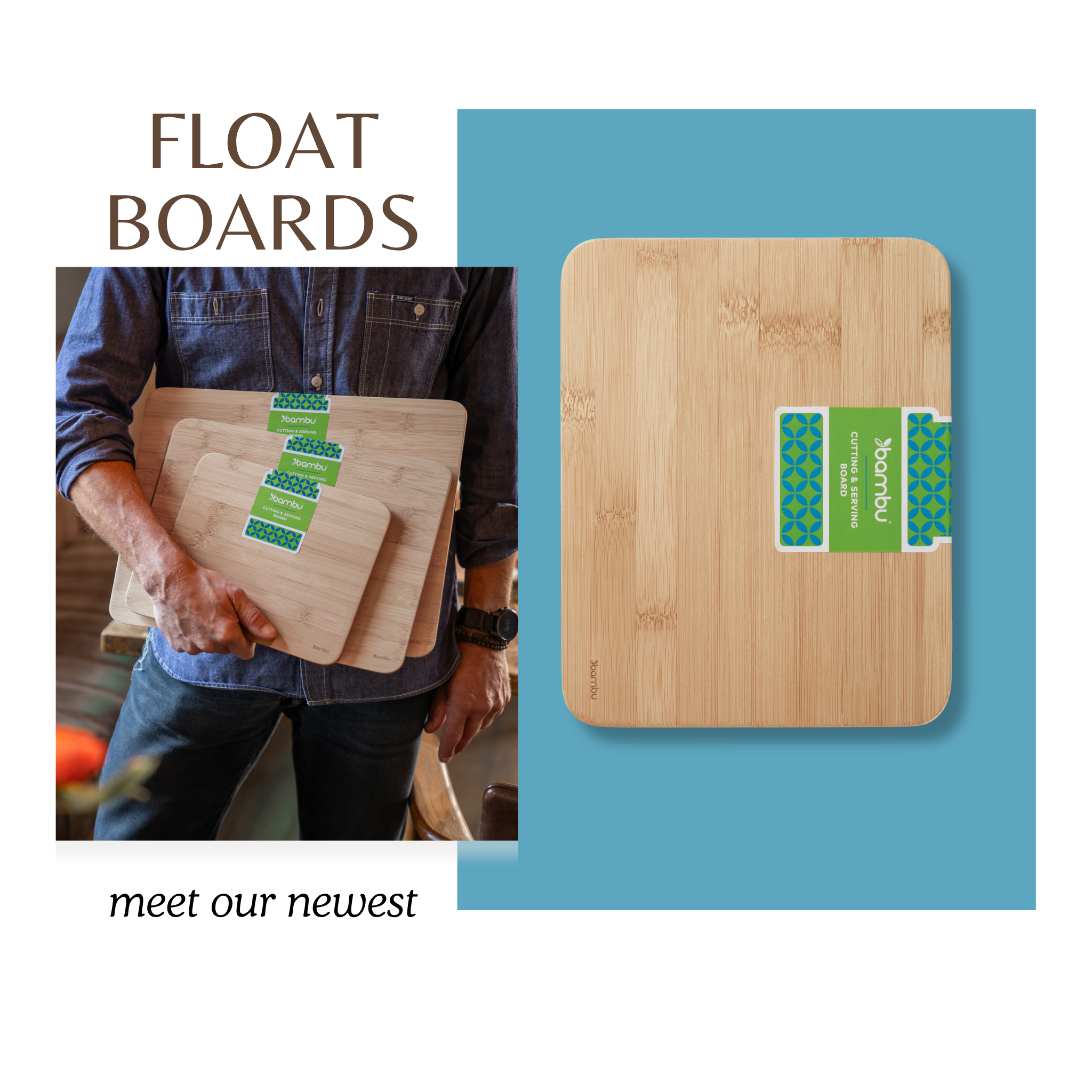
Credit: www.bambuhome.com
Bamboo Characteristics
Bamboo is a popular material for cutting boards. It has unique traits that affect its use in kitchens.
This article covers bamboo’s durability, antimicrobial properties, and eco-friendly benefits.
Durability And Hardness
Bamboo is a strong and hard material. It resists knife marks better than many woods.
| Property | Details |
|---|---|
| Hardness | Higher than many hardwoods like maple |
| Durability | Resists cracking and warping over time |
| Maintenance | Needs regular oiling to stay in good condition |
Natural Antimicrobial Properties
Bamboo has natural oils that fight bacteria. This helps keep the cutting surface cleaner.
- Reduces bacteria growth
- Helps prevent food contamination
- Requires less harsh cleaning chemicals
Eco-friendly Benefits
Bamboo grows fast and uses fewer resources than hardwood trees. This makes it a green choice.
Benefits of Bamboo as an Eco-Friendly Material:
- Grows up to 3 feet per day
- Harvested without killing the plant
- Absorbs large amounts of carbon dioxide
- Biodegradable and compostable
Comparison With Other Materials
Bamboo is a popular choice for cutting boards. It is often compared to other materials like hardwood and plastic. This helps to understand its benefits and drawbacks better.
Each material has unique qualities. Knowing these helps in choosing the best cutting board for your kitchen needs.
Bamboo Vs Hardwood
Bamboo is a grass, but it is hard and strong like hardwood. Hardwood boards come from trees like maple and oak. Both are durable but have differences.
Bamboo is harder and less porous than many hardwoods. This means bamboo resists cuts and scratches better. Hardwood boards can absorb moisture more easily.
- Bamboo grows faster, making it more sustainable.
- Hardwood has a classic look and can be easier on knives.
- Bamboo is harder, so it may dull knives quicker.
- Hardwood boards often need more oiling to stay smooth.
Bamboo Vs Plastic
Plastic cutting boards are lightweight and come in many colors. Bamboo boards are heavier and have a natural look. Both materials have good uses in the kitchen.
Plastic boards are less expensive and dishwasher safe. Bamboo boards need hand washing but last longer if cared for. Plastic can scratch easily and hold bacteria in cuts.
- Plastic is cheaper and easy to clean in a dishwasher.
- Bamboo is eco-friendly and more durable.
- Plastic boards can warp or crack over time.
- Bamboo resists knife marks better but needs more care.
Maintenance Differences
Bamboo cutting boards need regular oiling to stay smooth. This prevents cracking and warping. Hardwood boards also need oiling but may require more frequent care.
Plastic boards are low maintenance and dishwasher safe. They do not need oiling but can get deeply scratched. Scratches can hold bacteria and affect safety.
- Bamboo: Hand wash, dry quickly, oil monthly.
- Hardwood: Hand wash, oil often, avoid soaking.
- Plastic: Dishwasher safe, replace when scratched.
Pros Of Bamboo Cutting Boards
Bamboo cutting boards are a popular choice for many kitchens. They offer several benefits that make food preparation easier.
Here are some key advantages of using bamboo cutting boards that you might find useful.
Lightweight And Easy To Handle
Bamboo cutting boards are lighter than many other wood boards. This makes them easy to lift and move around your kitchen. You can clean and store them without any trouble.
Resistance To Knife Marks
Bamboo is a hard material that resists deep cuts. This helps keep the surface smooth and safe for food. It also protects your knives from dulling quickly.
- Less damage from knife cuts
- Longer lasting surface
- Protects knife edges
Aesthetic Appeal
| Feature | Description |
|---|---|
| Color | Warm, natural tones brighten kitchen space |
| Grain | Smooth, fine texture adds elegance |
| Finish | Polished surface looks clean and neat |
Bamboo cutting boards bring a natural look to your kitchen. Their smooth finish and warm colors fit many styles.
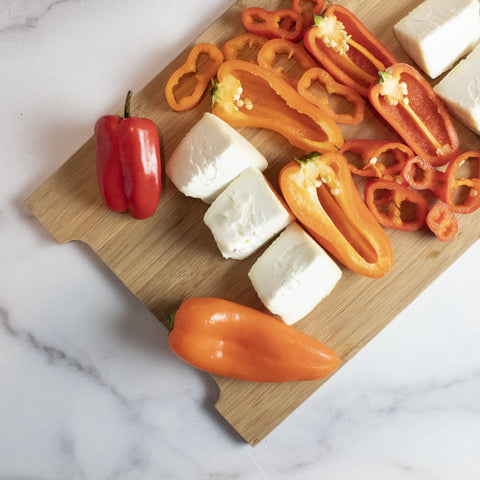
Credit: cheesegrotto.com
Cons Of Bamboo Cutting Boards
Bamboo cutting boards have many fans, but they come with some downsides. Knowing these can help you decide if bamboo is right for your kitchen.
This section covers the main drawbacks to consider before choosing bamboo cutting boards.
Potential For Cracking
Bamboo is a natural material that can crack over time. Changes in humidity and temperature cause the board to expand and shrink. This makes it prone to splitting.
Cracks can trap bacteria and make cleaning difficult. You may need to replace the board sooner than other materials.
Requires Regular Oiling
Bamboo boards must be oiled often to keep them in good shape. Without oil, they dry out and lose their durability.
- Apply food-safe mineral oil every few weeks
- Oiling prevents cracking and warping
- Neglecting oil can shorten board life
Not Suitable For Heavy Chopping
Bamboo cutting boards are hard but not ideal for heavy chopping. Intense cutting can cause dents and damage the surface.
| Cutting Type | Suitability of Bamboo |
| Light slicing | Good |
| Medium chopping | Fair |
| Heavy chopping | Poor |
Care And Maintenance Tips
Bamboo cutting boards are strong and eco-friendly. Proper care keeps them in good shape.
Cleaning, oiling, and avoiding damage help your board last longer and stay safe to use.
Cleaning Methods
Wash your bamboo board by hand with warm water and mild soap. Avoid soaking it in water.
Do not put bamboo boards in the dishwasher. Heat and water can crack or warp them.
- Use a soft sponge or cloth to clean the surface
- Rinse with warm water quickly
- Dry the board immediately with a towel
Oiling Frequency
Oiling your bamboo board keeps it from drying out and cracking. Use food-safe mineral oil.
Apply oil about once a month or when the board looks dry. Rub oil in with a soft cloth.
- Pour a small amount of oil on the board
- Spread oil evenly on all sides
- Let the oil soak for a few hours or overnight
- Wipe off extra oil before use
Avoiding Warping
Keep your bamboo board flat and dry to avoid warping. Do not leave it in water or heat.
Store the board in a cool, dry place. Standing it on its edge helps air flow around it.
- Do not soak or leave the board in water
- Avoid placing it near hot appliances
- Dry the board fully before storing
- Store upright or flat on a dry surface

Credit: www.amazon.ca
Health And Safety Aspects
Bamboo cutting boards have become popular in kitchens. Many wonder if they are safe to use. This section looks at health and safety factors.
We will cover bacterial resistance and food hygiene to help you decide if bamboo boards are a good choice.
Bacterial Resistance
Bamboo is a natural material that resists bacteria better than some woods. It has tight fibers that make it hard for germs to hide.
- Bamboo absorbs less water, so it stays drier.
- Dry surfaces reduce bacteria growth.
- Cleaning bamboo is easy and effective.
- Some studies show bamboo can kill certain bacteria naturally.
Food Hygiene Considerations
Keeping your cutting board clean is key for food safety. Bamboo boards need proper care to avoid cross-contamination.
| Care Step | Recommended Action |
| Cleaning | Wash with hot soapy water after each use |
| Drying | Air dry completely before storing |
| Sanitizing | Use vinegar or diluted bleach occasionally |
| Oiling | Apply food-safe mineral oil once a month |
Choosing The Right Bamboo Board
Bamboo cutting boards are popular for their durability and look. Picking the right board helps in daily kitchen tasks.
Boards come in many styles, sizes, and prices. Knowing what to choose makes a big difference.
Grain Types
Bamboo boards have two main grain types: horizontal and vertical. Each type has different looks and strengths.
Horizontal grain shows bamboo strips laid side by side. It has a striped pattern and is softer on knives.
Vertical grain stands bamboo strips on edge. This makes the board harder and lasts longer.
- Horizontal grain: softer, striped look, gentle on knives
- Vertical grain: harder, dense, more durable
Size And Thickness Options
Bamboo boards come in many sizes. Small boards are easy to store but hold less food.
Thicker boards last longer and resist warping. Thin boards are lighter but may wear faster.
- Small boards: good for quick tasks and small kitchens
- Large boards: best for big meals and more cutting space
- Thick boards: durable and stable
- Thin boards: lightweight and easy to move
Price And Quality Factors
Price often reflects quality in bamboo boards. Higher price can mean better materials and craftsmanship.
Look for boards made from natural bamboo. Check for smooth finishes and no cracks.
- Higher price: usually better quality and longer life
- Lower price: may have lower quality or thinner bamboo
- Check for food-safe finishes and sturdy build
Frequently Asked Questions
Is Bamboo Durable For Cutting Boards?
Bamboo is a durable material, making it an excellent choice for cutting boards. Its natural hardness prevents deep knife grooves. This durability also helps protect your knives from dulling quickly. Bamboo cutting boards are resistant to staining and absorbing odors, making them a hygienic option for your kitchen.
How Does Bamboo Compare To Wood?
Bamboo is a sustainable alternative to traditional wooden cutting boards. It grows faster and requires fewer resources to cultivate. Bamboo is denser than many hardwoods, providing a long-lasting surface. It’s also more resistant to water damage and warping, making it a practical choice for kitchens.
Are Bamboo Cutting Boards Eco-friendly?
Yes, bamboo cutting boards are eco-friendly. Bamboo is a renewable resource, growing quickly without pesticides. Harvesting bamboo has a minimal environmental impact. Choosing bamboo supports sustainable practices and reduces deforestation. It’s a green choice for environmentally conscious consumers seeking sustainable kitchen tools.
Do Bamboo Cutting Boards Require Special Care?
Bamboo cutting boards require simple maintenance for longevity. Hand wash them with mild soap and water. Dry immediately to prevent warping. Occasionally apply mineral oil to maintain their moisture. Avoid soaking in water or using the dishwasher, as it can damage the board’s integrity.
Conclusion
Bamboo cutting boards offer strength and durability for daily kitchen use. They resist knife marks and dry quickly, helping to stay clean. Bamboo is also eco-friendly, growing fast without much water. Some care is needed to keep them lasting longer.
They do not absorb odors easily, which makes cooking more pleasant. Overall, bamboo can be a smart choice for many cooks. It blends nature with function in your kitchen space. Worth trying if you want a sturdy, green option.