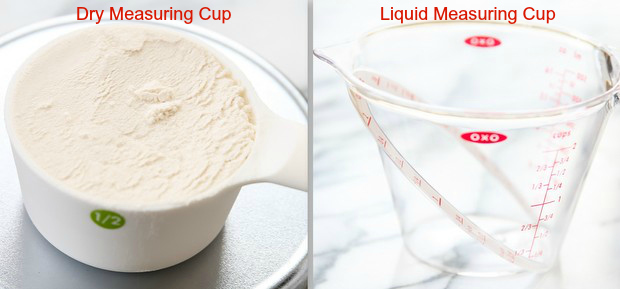
Have you ever grabbed the wrong measuring cup while cooking and ended up with a recipe that just didn’t turn out right? It might seem like liquid and dry measuring cups are the same, but using the wrong one can change your results completely.
Understanding the difference between liquid and dry measuring cups is a simple step that can make your cooking and baking much easier and more accurate. Keep reading, and you’ll discover how choosing the right cup can save you time, reduce mistakes, and help you create perfect dishes every time.
Credit: nymag.com
Types Of Measuring Cups
Measuring cups come in two main types: liquid and dry. Each type is made for different ingredients and helps get accurate measurements.
Using the right measuring cup can make your cooking and baking easier and more precise.
Liquid Measuring Cups
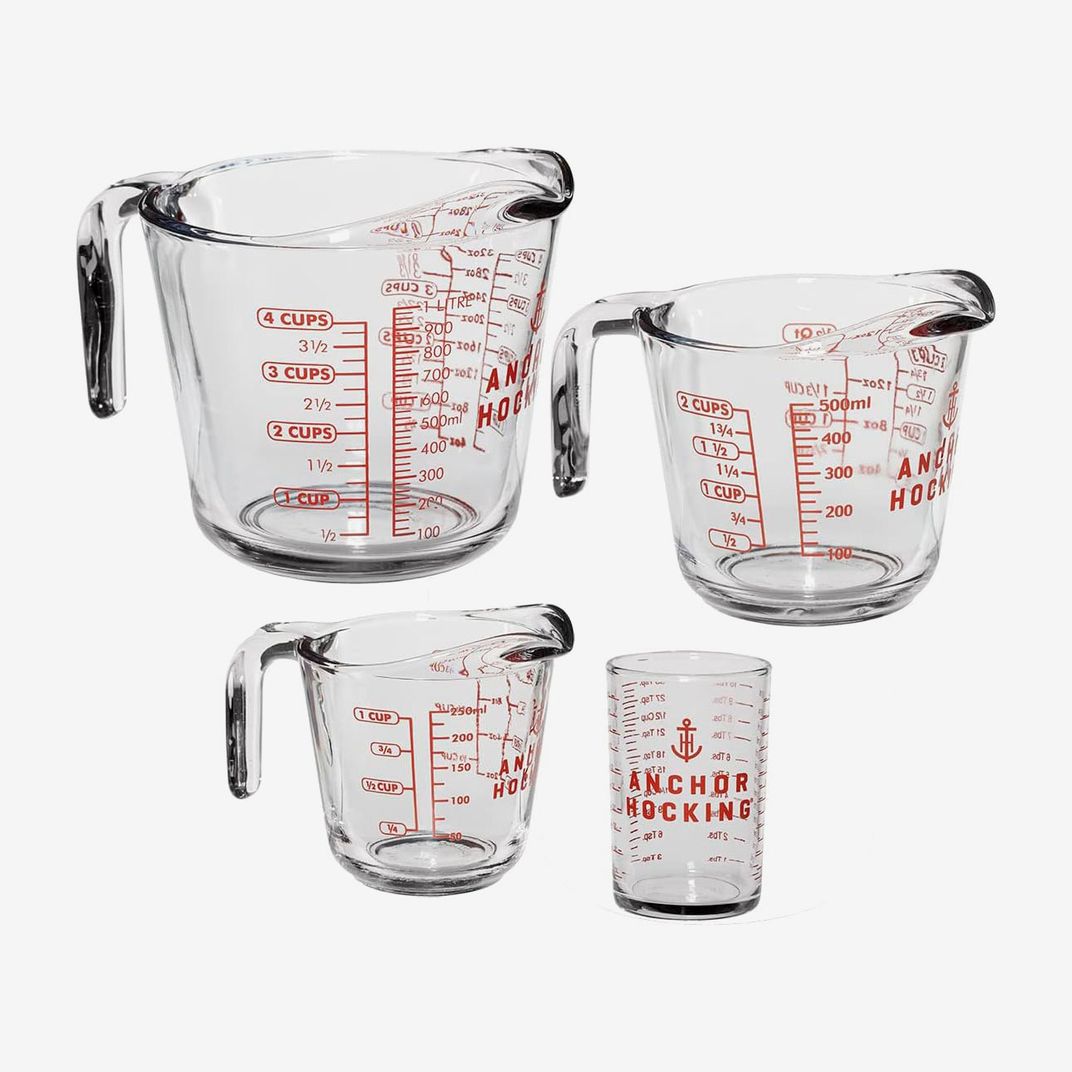
Liquid measuring cups are designed to hold wet ingredients like water, milk, or oil. They are usually made of glass or clear plastic.
These cups have a spout for easy pouring and markings on the side to show different volumes. You can see the liquid level from the outside.
- Made of glass or clear plastic
- Have a spout for pouring
- Show measurement marks on the side
- Designed for liquids like water and oil
Dry Measuring Cups
Dry measuring cups are used to measure solid ingredients like flour, sugar, or rice. They are usually made of metal or plastic.
These cups come in sets with different sizes. You fill them to the top and level off the excess for an exact amount.
- Made of metal or plastic
- Come in sets with various sizes
- Fill to the top and level off excess
- Used for solids like flour and sugar
Design And Material Differences
Liquid and dry measuring cups look similar but serve different purposes. Their designs and materials change to make measuring easier and more accurate.
Choosing the right cup helps you cook and bake with better results. Let’s explore the main design and material differences.
Shape And Size Variations
Liquid measuring cups usually have a spout for easy pouring. They are taller and have extra space above the measurement marks.
Dry measuring cups are meant to be filled to the top and leveled off. They come in sets of different sizes that fit inside each other.
- Liquid cups: tall, with spouts and clear measurement lines
- Dry cups: short, wide, and meant to be filled to the brim
- Dry cups come in standard sizes like 1 cup, 1/2 cup, 1/3 cup, and 1/4 cup
- Liquid cups often measure in cups, ounces, and milliliters on the side
Common Materials Used
Both types of measuring cups come in different materials. The material affects durability and ease of use.
Plastic is light and cheap but can stain or scratch. Glass is heavier, clear, and heat resistant. Metal dry cups are sturdy but do not show measurement lines well.
- Plastic: common for both, affordable, but less durable
- Glass: mainly for liquid cups, easy to read, heat safe
- Metal: mostly dry cups, very durable, no see-through marks
Measuring Techniques
Measuring cups come in two main types: liquid and dry. Each type helps you measure ingredients correctly for your recipe.
Using the right cup and technique ensures your food turns out as expected. The methods differ for liquid and dry cups.
How To Use Liquid Cups
Liquid measuring cups are usually clear with a spout. They help you measure liquids like water, oil, or milk.
- Place the cup on a flat surface.
- Pour the liquid slowly to avoid spills.
- Bend down to eye level to read the measurement line accurately.
- Use the spout to pour without dripping.
How To Use Dry Cups
Dry measuring cups come in sets and are designed for solid ingredients like flour or sugar. They help measure exact amounts.
| Dry Cup Size | Common Uses |
|---|---|
| 1 cup | Flour, sugar, grains |
| 1/2 cup | Baking powder, nuts |
| 1/3 cup | Cocoa powder, small seeds |
| 1/4 cup | Butter, chopped herbs |
Fill the dry cup to the top, then level it with a flat edge. Do not pack unless the recipe says so.
Credit: kirbiecravings.com
Accuracy And Measurement Tips
Using the right measuring cup matters for accuracy in cooking and baking. Liquid and dry measuring cups are designed differently to help you measure ingredients correctly.
Understanding how to use each type can improve your recipes. Small tips make a big difference in results.
Avoiding Common Mistakes
Many people use liquid cups for dry ingredients or dry cups for liquids. This causes wrong amounts and changes the recipe.
Always choose the right cup for the ingredient. Dry cups are for flour, sugar, and similar items. Liquid cups are for water, milk, and oils.
- Use dry cups for dry ingredients only
- Use liquid cups for liquids only
- Check the measurement lines at eye level
- Don’t pack dry ingredients unless the recipe says so
Leveling Dry Ingredients
Dry ingredients can be loose or packed. For best accuracy, scoop the ingredient, then level it off with a flat tool.
Leveling stops extra ingredient from adding. This helps keep the recipe balanced and avoids dry or dense results.
- Fill the dry cup slightly over the top
- Use a knife or spatula to level the surface
- Do not shake or tap the cup to settle ingredients
Reading Liquid Measurements
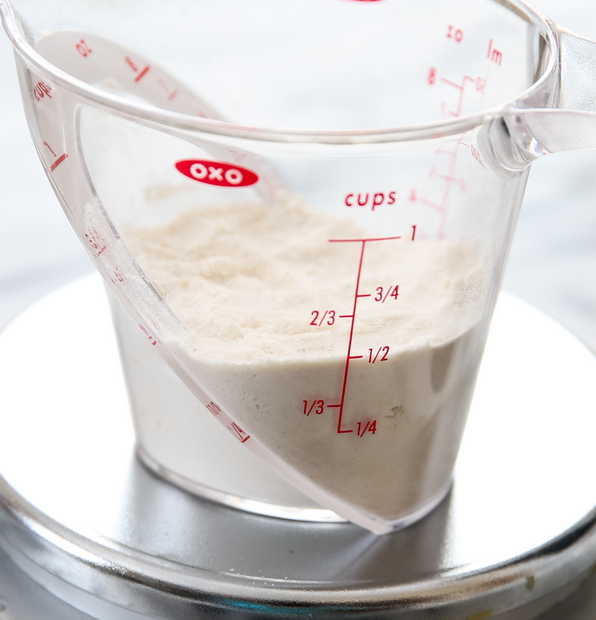
Liquid measuring cups have clear lines to show volume. Place the cup on a flat surface for best view.
Bend down to eye level. Check the bottom of the liquid curve, called the meniscus, for the right amount.
- Use a clear or transparent liquid cup
- Place on a flat, stable surface
- Read measurement at eye level
- Check the bottom of the meniscus for accuracy
When To Use Each Cup
Measuring cups help you get the right amount of ingredients. Liquid and dry measuring cups are made for different uses.
Knowing when to use each cup makes your cooking and baking more accurate and easier.
Best Uses For Liquid Cups
Liquid measuring cups have a spout for easy pouring. They are clear with measurement marks on the side.
Use liquid cups for ingredients that flow, like water, milk, or oil. They help avoid spills and measure exact amounts.
- Water and milk
- Broth and stock
- Oil and melted butter
- Juices and syrup
- Liquid flavorings and extracts
Best Uses For Dry Cups
Dry measuring cups are solid and come in sets with different sizes. They let you scoop and level dry ingredients.
Use dry cups for ingredients like flour, sugar, and grains. You can pack or level the ingredients for exact amounts.
- Flour and baking powder
- Sugar and brown sugar
- Rice and oats
- Nuts and small candies
- Chopped vegetables or fruits
Impact On Cooking And Baking
Using the right measuring cups can change the results in cooking and baking. Liquid and dry measuring cups are made differently for a reason.
Understanding their differences helps you get better texture and taste in your recipes.
Effect On Recipe Outcomes
Liquid measuring cups have a spout and extra space to hold liquids without spilling. Dry measuring cups are meant to be filled to the top and leveled off.
Using dry cups for liquids can cause spills or wrong amounts. Using liquid cups for dry ingredients can lead to packed ingredients and extra weight.
- Liquid cups help measure water, oil, and milk accurately.
- Dry cups measure flour, sugar, and grains better.
- Wrong cups cause changes in moisture and texture.
Why Accuracy Matters
Precise measurements keep recipes consistent and tasty. Baking is like science; small changes affect the final product.
Even a little extra flour or too much liquid can make baked goods dry or soggy.
- Accurate liquids prevent soggy or dry results.
- Correct dry ingredient amounts keep texture right.
- Following recipe measurements ensures success every time.
Maintenance And Care
Measuring cups need proper care to last long and work well. Liquid and dry cups require different attention for best use.
Cleaning and storing these cups the right way keeps them accurate and safe for food.
Cleaning Tips
Liquid measuring cups often have spouts and handles that catch food bits. Clean them gently but thoroughly.
Dry measuring cups fit inside each other. Remove all crumbs to avoid sticky buildup.
- Wash both types with warm, soapy water after use
- Use a soft sponge to avoid scratches
- Rinse well to remove soap residue
- Dry cups fully before storing to stop rust or mold
- Check plastic cups for cracks or stains regularly
Storage Recommendations
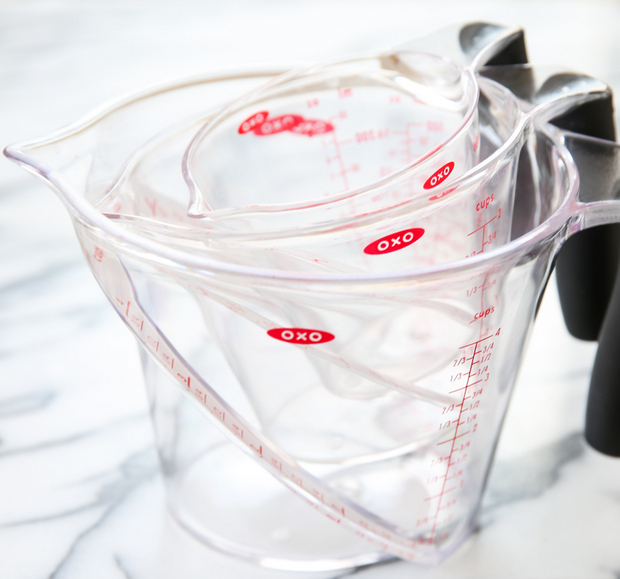
Store measuring cups where they stay clean and dry. Keep liquid cups upright to protect spouts.
Stack dry cups carefully to save space but avoid damage. Keep both types away from heat and sunlight.
- Place liquid cups on shelves or hooks with spouts up
- Stack dry cups nested inside each other in drawers
- Keep cups away from sharp objects that can scratch them
- Store plastic cups in cool, shaded areas to prevent warping
- Regularly check cups for wear and replace if needed
Credit: kirbiecravings.com
Frequently Asked Questions
What Are Liquid Measuring Cups?
Liquid measuring cups are designed for wet ingredients. They usually come with a spout for easy pouring. These cups often have measurement markings on the side. They are typically made of glass or clear plastic. This design allows you to see the liquid level accurately from the side.
What Are Dry Measuring Cups?
Dry measuring cups are meant for solid ingredients. These cups are often stacked for easy storage. They are usually made of metal or plastic. Each cup is calibrated for specific measurements like 1 cup, 1/2 cup. This design helps in leveling off excess ingredients for accuracy.
Can I Use Liquid Cups For Dry Ingredients?
Using liquid cups for dry ingredients isn’t recommended. Liquid cups are designed for different measurements. They don’t allow leveling off excess ingredients. This can lead to inaccuracies in measurements. It’s best to use the appropriate measuring cup for precision.
Why Are Liquid Cups Transparent?
Liquid cups are transparent for accuracy. The transparency allows you to see the liquid level clearly. This helps in avoiding over-pouring. It also makes reading measurement markings easier. Clear cups aid in ensuring precise measurements for recipes.
Conclusion
Choosing the right measuring cup makes cooking easier and more accurate. Liquid measuring cups have space for pouring and clear markings. Dry measuring cups fill to the top and level off for exact amounts. Using the correct cup avoids mistakes in recipes.
It saves time and prevents waste. Remember, small differences can change the taste and texture of food. Keep both types handy in your kitchen. This simple habit helps you cook with confidence and better results.