Have you ever wondered what makes your air conditioner cool the air so effectively? You might have heard the term “Freon” thrown around, but do you really know if your AC uses it?
Understanding this can help you take better care of your unit and even save money on repairs. Keep reading, and you’ll discover the truth about Freon and how it plays a role in keeping your home comfortable. This knowledge will empower you to make smarter decisions about your air conditioning system.
Credit: www.iecomfortac.com
What Is Freon?
Freonis a brand name for chemicals used in air conditioners. It is a type of refrigerantthat helps cool the air. Freon moves heat from inside a room to outside, making the air cooler. It changes from a gas to a liquid and back to gas during this process.
Types Of Freon Used In Acs
- R-22:An older type, now less used because it harms the ozone layer.
- R-410A:A newer and safer refrigerant used in most modern ACs.
- R-134a:Used in some special cooling systems.
Properties Of Freon
| Property | Description |
|---|---|
| State Changes | Freon easily changes from gas to liquid and back |
| Heat Transfer | Absorbs heat inside and releases it outside |
| Non-Flammable | Does not catch fire easily, making it safe to use |
| Environmental Impact | Some types can harm the ozone layer |
Role Of Freon In Air Conditioning
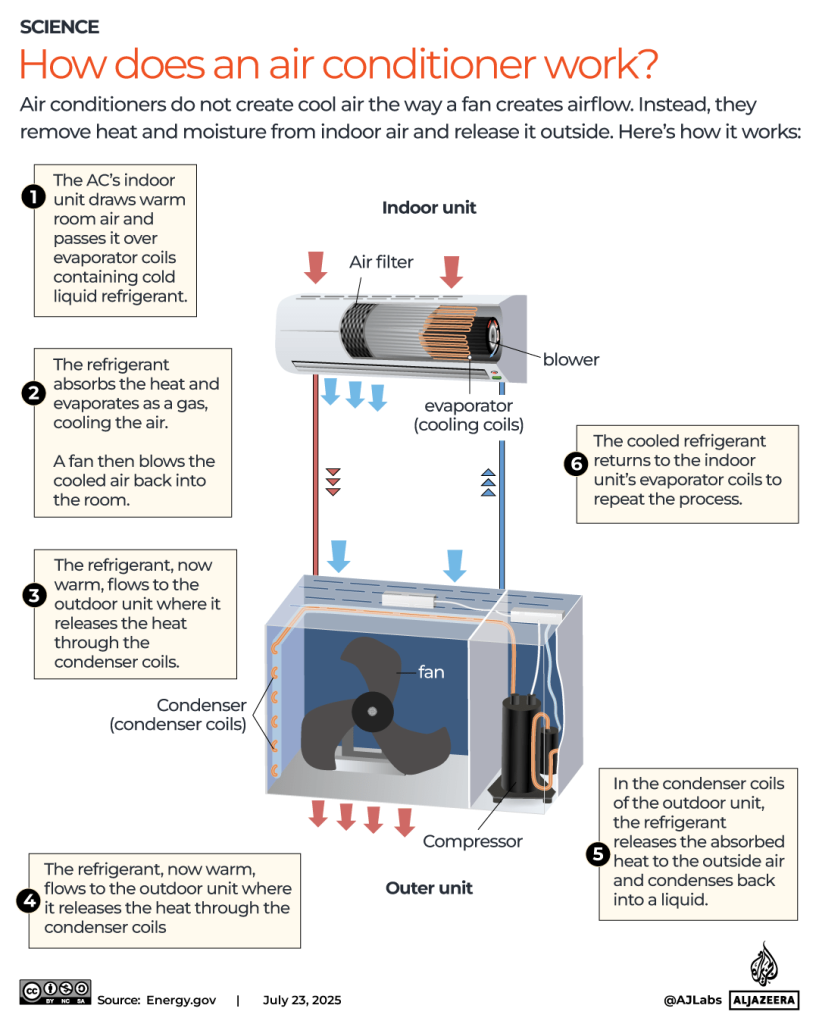
Freonis a special gas used in air conditioners to cool air. It moves through the AC system in a cycle that changes its state from gas to liquid and back. This cycle helps remove heat from the air inside your home.
In the cooling process, Freon absorbs heat from indoor air. It then carries the heat outside and releases it. This makes the air inside cooler and more comfortable.
| Step | What Happens |
|---|---|
| 1 | Freon starts as a cold gas inside the evaporator coil. |
| 2 | It absorbs heat from indoor air and turns into a warm gas. |
| 3 | The warm gas moves to the compressor and gets compressed. |
| 4 | Freon becomes hot and high-pressure gas, then goes to condenser. |
| 5 | Heat is released outside, and Freon turns back into a liquid. |
| 6 | The liquid Freon returns to the evaporator to start again. |
Freon And Modern Air Conditioners
Freonwas once the main refrigerant in many air conditioners. It helped cool air by moving heat outside. But Freon harms the environment by damaging the ozone layer. This led to new rules that limit Freon’s use in modern systems.
Today, many air conditioners use eco-friendly refrigerants. These new types cause less damage to the planet. They cool just as well but are safer for the air we breathe.
Common alternatives to Freon include:
- R-410A– widely used, no ozone damage.
- R-32– energy efficient and low global warming potential.
- Hydrofluoroolefins (HFOs)– newer options with very low impact.
These refrigerants help reduce pollution and keep homes cool.
Credit: www.iecomfortac.com
Health And Environmental Impact
Freonis a chemical used in many air conditioners. It can harm the ozone layer, which protects Earth from the sun’s harmful rays. When Freon escapes into the air, it causes damage that takes many years to fix.
To protect the environment, many countries have made rulesto limit Freon use. These laws help reduce pollution and encourage using safer chemicals. Old air conditioners using Freon are being replaced with newer, eco-friendly models.
| Freon Impact | Regulations |
|---|---|
| Damages ozone layer | Banned in many countries |
| Causes harmful UV rays | Strict limits on production |
| Long-lasting environmental harm | Encourages eco-friendly alternatives |
Signs Of Freon Issues In Ac Units
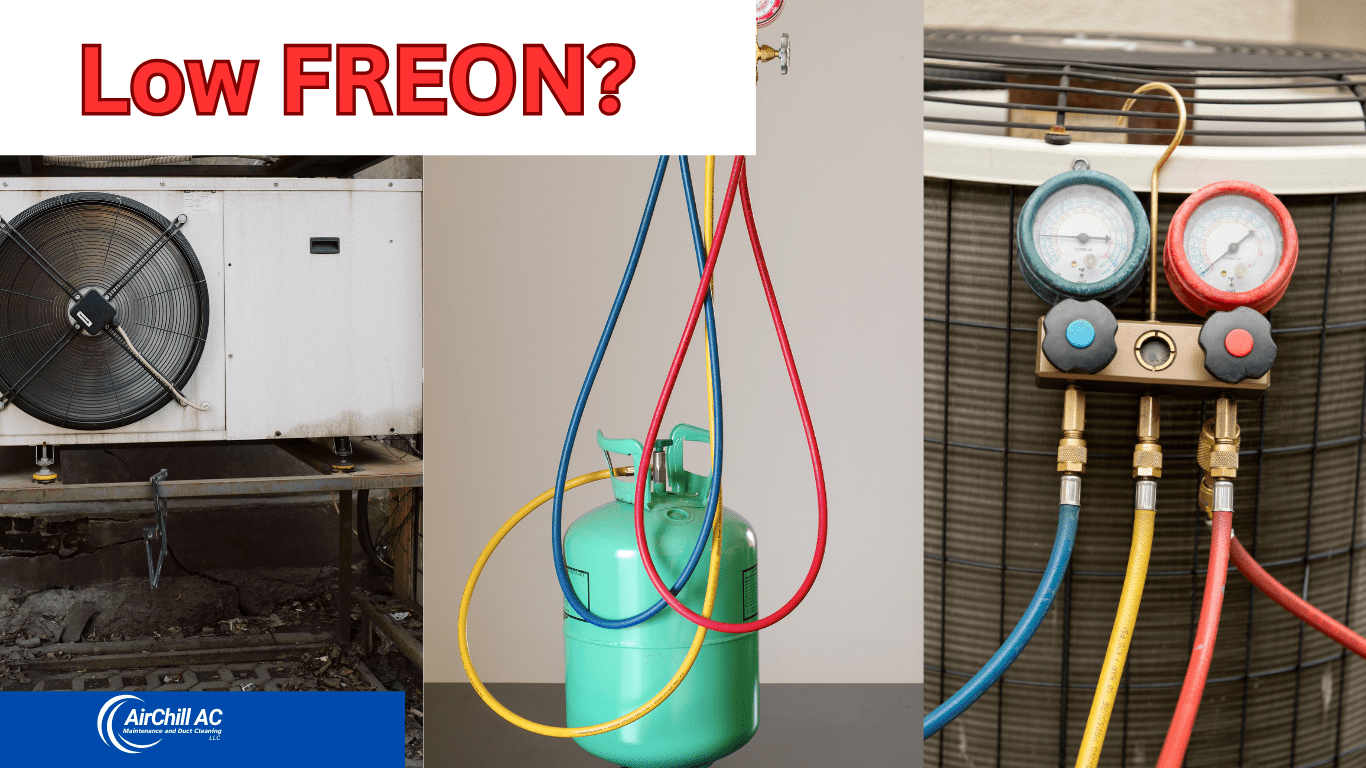
Common Freon leak symptomsinclude warm air from vents and ice buildup on coils. You may notice the AC runs longer but cools less. Strange hissing or bubbling sounds can also occur near the refrigerant lines. Frequent cycling on and off is another sign.
Impact on AC performanceshows quickly. Low Freon means less cooling power and higher electricity bills. The compressor works harder, leading to faster wear and tear. Over time, the AC may stop cooling completely and need a costly repair or replacement.
Credit: airchillac.com
Freon Maintenance And Handling
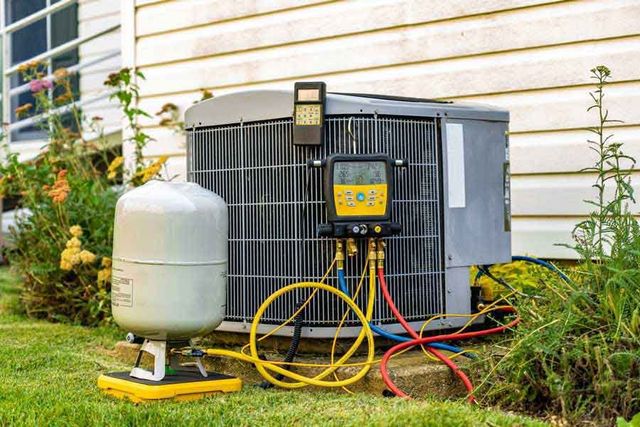
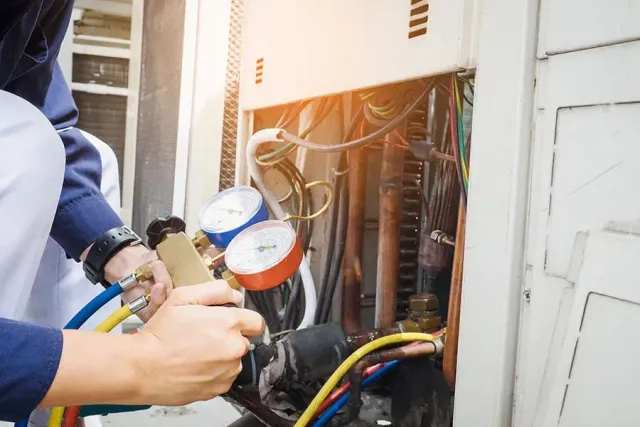
Refilling or recharging Freonmust be done by a trained technician. It requires special tools to check pressure levelsand avoid leaks. Adding too much or too little Freon can damage the ACor reduce its cooling power.
Technicians use gaugesto measure the Freon level. They connect hoses to the AC system and add Freon carefully. This process ensures the AC runs efficientlyand lasts longer.
- Wear safety goggles and gloves.
- Work in a well-ventilated area.
- Avoid direct skin contact with Freon.
- Never release Freon into the air; it harms the environment.
- Check for leaks before and after refilling.
Frequently Asked Questions
Do All Air Conditioners Use Freon?
Not all air conditioners use Freon. Older units typically use Freon, a brand name for R-22 refrigerant. However, due to environmental concerns, newer models utilize more eco-friendly refrigerants like R-410A. Always check your unit’s specifications or consult the manufacturer to know which refrigerant your air conditioner uses.
Why Is Freon Being Phased Out?
Freon is being phased out due to its harmful environmental impact. It contributes to ozone layer depletion and global warming. The Montreal Protocol mandates a global phase-out of ozone-depleting substances. As a result, manufacturers are switching to more sustainable refrigerants, ensuring compliance with international environmental standards while maintaining cooling efficiency.
Can I Replace Freon In My Air Conditioner?
Yes, you can replace Freon in your air conditioner, but it requires professional help. Due to environmental regulations, only certified technicians should handle Freon replacement. They will safely remove the old refrigerant and recharge the system with the appropriate alternative.
Regular maintenance can prolong your unit’s efficiency and lifespan.
What Refrigerants Replace Freon In Air Conditioners?
R-410A and R-32 are common Freon replacements in modern air conditioners. These refrigerants are more environmentally friendly and energy-efficient. They offer better cooling performance while reducing ozone layer damage. Always consult your air conditioner’s manual or a professional to ensure compatibility with alternative refrigerants before making changes.
Conclusion
Air conditioners often use Freon or similar refrigerants to cool air. These chemicals help move heat from inside to outside. Knowing this helps you understand how ACs work. Regular maintenance keeps your AC running well and safe. Always check the type of refrigerant used in your unit.
This keeps your home cool and energy costs low. Proper care also protects the environment from harmful leaks. Now you know why Freon matters in air conditioning systems.