Have you ever noticed your knife losing its sharp edge faster than expected? You might be wondering if your plastic cutting board is to blame.
It’s a common concern for anyone who spends time in the kitchen. If you want to keep your knives sharp and ready for every meal, understanding how your cutting board affects them is key. Keep reading to discover the truth about plastic cutting boards and whether they really dull your knives.
This knowledge could save you time, money, and frustration in the kitchen.
Plastic Cutting Boards Basics
Plastic cutting boards are common in many kitchens. They offer a lightweight and affordable surface for food preparation.
This article explains what plastic boards are made of and how they are used in kitchens.
Material Composition
Plastic cutting boards are mostly made from different types of plastic. These materials affect their durability and how they treat knives.
- High-density polyethylene (HDPE): This is the most common plastic used. It is strong and resists knife marks.
- Polypropylene (PP): This plastic is harder and less flexible, often used for cheaper boards.
- Polycarbonate: A harder plastic sometimes used, but it can dull knives faster.
Common Uses In Kitchens
Plastic cutting boards serve many roles in kitchens. They can be used for different foods and tasks.
| Use | Reason |
| Chopping vegetables | Plastic is easy to clean and safe for fresh produce. |
| Cutting raw meat | Plastic boards can be sanitized to avoid contamination. |
| Preparing cooked food | Separate boards help prevent cross-contamination. |
| Outdoor cooking | Plastic boards are lightweight and easy to carry. |
Knife Sharpness Factors
Many people wonder if plastic cutting boards make knives dull faster. The sharpness of a knife depends on several things. The type of blade and how you cut both affect how long the edge stays sharp.
Understanding these factors helps you keep your knives sharp for a long time. Let’s look at some key points about blade material and cutting techniques.
Blade Material And Design
Knife blades come in different materials like stainless steel, carbon steel, and ceramic. Some materials hold sharp edges better than others. The design of the blade also plays a role in how it wears down.
Harder metals keep a sharp edge longer but can be brittle. Softer metals may dull faster but are easier to sharpen. Blade thickness and edge angle affect cutting ability and durability.
- Hard steel holds sharpness but can chip
- Carbon steel sharpens easily but rusts
- Ceramic blades stay sharp but may break
- Thin edges cut better but dull fast
- Thicker edges last longer but cut less finely
Cutting Technique Impact
How you use your knife changes how quickly it dulls. Pressing hard, chopping on hard surfaces, or twisting the blade can wear down the edge.
Using a gentle slicing motion and cutting on softer boards like plastic can protect your knife’s edge. Avoid cutting on glass or stone surfaces to keep knives sharp longer.
- Slice gently instead of chopping hard
- Cut on plastic or wood boards
- Avoid glass or stone cutting boards
- Keep the blade straight while cutting
- Sharpen knives regularly
Interaction Between Knives And Plastic Boards
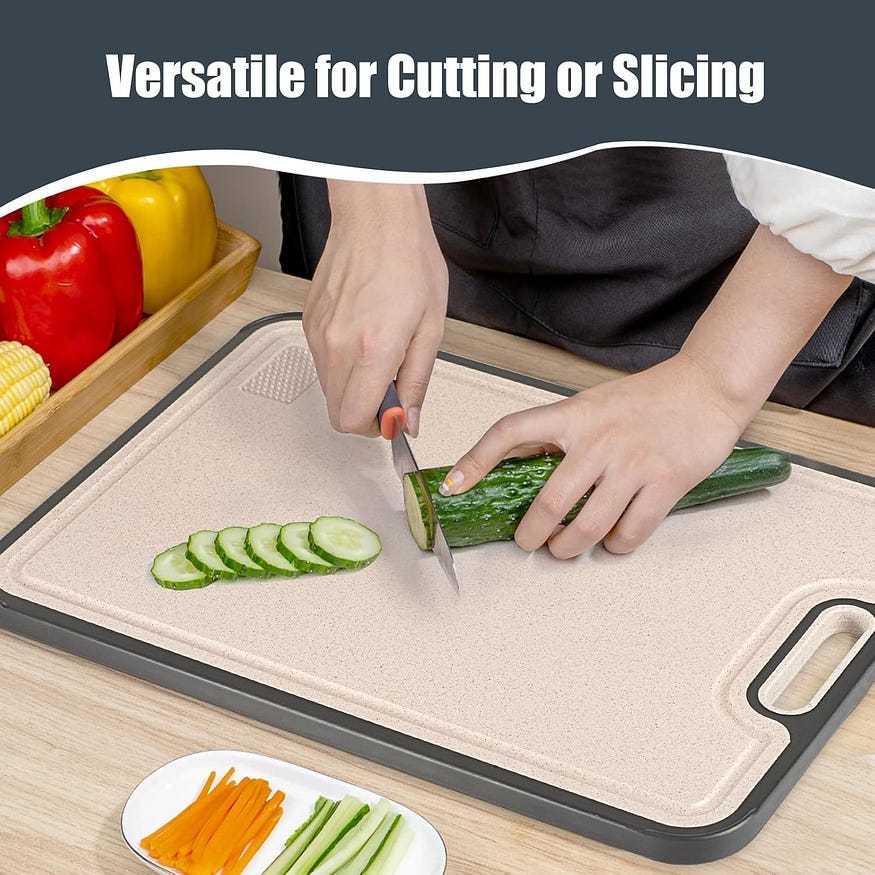
Plastic cutting boards are common in many kitchens. They offer a smooth surface to cut food safely.
Knives and plastic boards work closely together. The type of board affects how knives stay sharp.
Surface Hardness Comparison
Plastic boards are softer than wood or glass boards. This softness means knives hit a gentler surface.
Plastic can have different hardness levels. Some plastics are harder and may cause more wear on knives.
- Plastic boards are softer than metal and glass.
- Hardness varies by plastic type (polyethylene is common).
- Softer boards cause less knife edge damage.
Effect On Knife Edges
Plastic boards cause less dulling of knife edges than glass or ceramic. The soft surface helps keep edges sharp.
Knife edges can still dull with plastic boards if used a lot. Deep cuts and scraping wear down the blade over time.
- Plastic boards protect knives better than harder surfaces.
- Repeated cutting on plastic will slowly dull edges.
- Proper knife care helps maintain sharpness longer.
Comparing Plastic To Other Board Materials
Cutting boards come in many materials like plastic, wood, glass, and bamboo. Each type affects your knives differently.
Knowing how plastic compares to other boards helps you keep your knives sharp longer.
Wood Vs Plastic
Wood boards are softer than plastic, so they are gentler on knives. Wood can also heal small cuts over time.
Plastic boards are harder than wood, which can dull knives faster. They are easier to clean and dishwasher safe.
- Wood is kind to knives but needs more care
- Plastic can dull knives faster but is easy to clean
- Wood absorbs moisture, plastic does not
Glass And Bamboo Alternatives
Glass boards are very hard and can dull knives quickly. They are easy to clean but can damage blades fast.
Bamboo is harder than wood but softer than glass. It can wear knives more than wood but less than glass.
- Glass is hard and dulls knives fast
- Bamboo is harder than wood but softer than glass
- Bamboo is eco-friendly and durable
Scientific Studies And Expert Opinions
Many people wonder if plastic cutting boards make knives dull faster. Scientists and experts have studied this question. They tested knives on different board materials. Their findings help us understand how cutting boards affect knife sharpness.
This article shares research results and expert views on how plastic boards impact knives. It explains what happens to blades when they cut on plastic surfaces.
Research Findings
Studies show that plastic cutting boards cause less knife wear than harder surfaces like glass or ceramic. Plastic is softer and absorbs some pressure from the knife edge. This lowers the chance of blade damage.
Research tested knife edges after repeated cuts on plastic boards. The blades kept sharp edges longer compared to cutting on wood or glass. This means plastic boards help keep knives sharp for more time.
- Plastic boards reduce blade dulling due to softness
- Hard surfaces like glass dull knives quickly
- Plastic absorbs impact, preserving knife edges
- Repeated cutting on plastic shows less edge damage
Chef And Butcher Insights
Professional chefs and butchers often prefer plastic boards for cutting meat and vegetables. They say plastic is gentle on knives and easy to clean. Many chefs agree plastic boards help keep knives sharper during heavy use.
Experts also mention that knife dulling depends on cutting technique and board condition. Sharp knives cut better on clean, smooth plastic boards. Old, scratched boards may cause more wear on blades.
- Chefs find plastic boards knife-friendly
- Butchers appreciate plastic for meat cutting
- Knife dulling also depends on cutting style
- Worn boards may increase blade wear
- Keeping boards clean helps protect knives

Credit: www.kimecopak.ca
Maintaining Sharp Knives On Plastic Boards
Plastic cutting boards are popular for their ease of cleaning and durability. Many people wonder if these boards dull knives faster. Keeping knives sharp requires good habits and proper care of both the knife and board.
This article covers ways to keep your knives sharp while using plastic cutting boards. Following correct cutting methods and caring for your boards helps extend knife life.
Proper Cutting Techniques
Using the right cutting techniques reduces stress on your knife edge. Avoid cutting directly on hard surfaces beneath the plastic board. Use smooth, controlled motions instead of chopping or twisting.
- Hold the knife firmly and cut with a rocking motion.
- Keep the blade angle consistent while slicing.
- Do not use excessive force; let the knife do the work.
- Use the whole blade length to reduce wear in one spot.
- Cut on a flat surface to avoid uneven pressure on the blade.
Board Care Tips
Proper maintenance of plastic cutting boards keeps them smooth and less damaging to knives. Clean boards thoroughly after use and avoid deep scratches that can dull blades.
| Care Tip | Why It Helps |
| Wash boards with warm soapy water | Removes food particles that cause rough surfaces |
| Use a plastic scrubber, not metal brushes | Prevents deep scratches on the board |
| Replace boards with deep grooves | Reduces spots that can dull knives |
| Store boards flat or upright to avoid warping | Keeps surface even for better cutting |
| Apply a light coating of mineral oil occasionally | Helps maintain board texture and prevents drying |
Choosing The Right Cutting Board
Choosing the right cutting board matters for your knives and kitchen. The wrong board can dull your knives quickly.
Plastic cutting boards are popular but may affect your knife edges differently than other materials. Learn what to consider.
Factors To Consider
Think about the material of the cutting board. Plastic boards are easy to clean and often dishwasher safe.
Wood boards can be gentler on knives but need more care to avoid bacteria. Consider how you use the board daily.
- Material type: plastic, wood, bamboo, or composite
- Cleaning and maintenance needs
- How often you cut hard or soft foods
- Board surface texture and hardness
Balancing Durability And Knife Care
Hard boards last longer but may wear down knives faster. Softer boards protect blades but can get damaged sooner.
Plastic boards are durable but can develop cuts that trap bacteria. These cuts also cause more friction on knives.
- Choose boards that are firm but have some give
- Replace plastic boards when deep grooves appear
- Use different boards for meat and vegetables
- Sharpen knives regularly to offset dulling
Credit: uk.style.yahoo.com
Credit: medium.com
Frequently Asked Questions
Do Plastic Cutting Boards Dull Knives Faster?
Plastic cutting boards are less abrasive than glass or stone. They cause minimal dulling compared to harder surfaces. However, frequent use can still dull knives over time. Proper knife care and regular sharpening help maintain blade sharpness.
Are Plastic Cutting Boards Better For Knife Longevity?
Yes, plastic cutting boards are gentler on knives than glass or ceramic boards. Their softer surface reduces blade wear. This helps knives stay sharp longer. Regular maintenance and sharpening remain essential for optimal knife lifespan.
How Do Plastic Boards Compare To Wooden Boards?
Plastic boards are non-porous and easier to clean, reducing bacteria risk. Wooden boards are softer and may be gentler on knives. Both materials can dull knives over time, but proper care minimizes damage regardless of the board type.
Can Plastic Cutting Boards Damage High-quality Knives?
Plastic boards are unlikely to cause significant damage to high-quality knives. They offer a balanced surface that protects blades better than hard surfaces. Still, regular sharpening and correct cutting techniques are important to preserve knife edges.
Conclusion
Plastic cutting boards do not dull knives quickly. They are softer than many other materials. Knives stay sharper longer when used on plastic. Regular maintenance, like honing, helps keep blades sharp. Choose good quality plastic boards for better results. Clean boards prevent damage and keep knives safe.
Using the right board protects your kitchen tools. Simple care keeps knives working well every day. So, plastic boards are a practical choice for cutting.