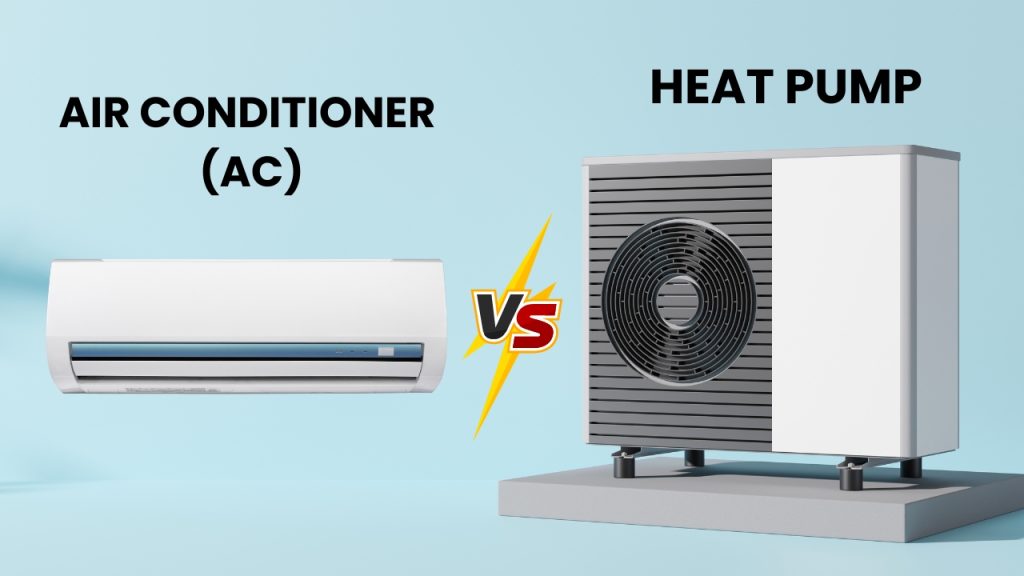
Are you wondering if a heat pump can keep your home cool just like an air conditioner? You want to stay comfortable all year round without guessing if your cooling system will do the job.
Choosing the right option can save you money, energy, and headaches. This article will help you understand how heat pumps work when it comes to cooling and whether they can match the performance of traditional air conditioners. Keep reading to find out what’s best for your home and your comfort.
Heat Pumps Vs Air Conditioners
Heat pumpsand air conditionersboth cool indoor spaces. Heat pumps can also heat by moving warm air inside. Air conditioners only cool by removing heat from the air. This makes heat pumps more versatilefor year-round use.
Heat pumps transfer heat using a reversing valve. This lets them switch between cooling and heating modes. Air conditioners only move heat out of the house. The cooling process is similar in both systems.
| Feature | Heat Pump | Air Conditioner |
|---|---|---|
| Energy Efficiency | High in moderate climates, saves energy by heating and cooling | Efficient for cooling only, uses more energy in heating season |
| Cooling Capacity | Similar to air conditioners, suitable for most homes | Designed specifically for cooling, can handle high heat loads |
| Performance | Works well in mild to moderate temperatures | Consistent cooling even in very hot weather |

Credit: coloradosun.com
How Heat Pumps Cool
Heat pumps cool by moving warm air outside and bringing cooler air inside. They work like air conditioners but also heat spaces efficiently. Both systems offer effective cooling, though heat pumps add heating function too.
Reversing The Heating Cycle
Heat pumps cool by changing their heating cycle. They move heat from inside to outside. This process lowers indoor temperatures. This is like how air conditioners work. The pump reverses the flow of refrigerant to cool air. It removes warm air from your home and releases it outside.
Common Cooling Features
- Energy efficientoperation saves money on bills.
- Works as a heater in winter and cooler in summer.
- Uses a fan to spread cool air inside.
- Can maintain a steady indoor temperature.
- Quieter than many traditional air conditioners.
Limitations In Extreme Heat
Heat pumps may struggle in very hot weather. Their cooling power drops when outside temperatures rise too high. They work best in mild to moderate climates. In extreme heat, they may not cool as fast or well as air conditioners. This can mean less comfort during heatwaves.
Air Conditioners’ Cooling Strengths
Air conditioners are made only to coolrooms. They focus all power on lowering air temperature fast.
This helps them drop room temperature quickly. You feel cooler in less time.
They also work well in high humidity. Air conditioners remove moisture from the air. This makes the room feel more comfortable.
Cost And Installation Factors
Initial setup expensesfor heat pumps are usually higher than air conditioners. Heat pumps need extra parts to work for both heating and cooling. Installation can take more time and may require changes in your home’s system. Air conditioners often have lower upfront costs but only cool your home.
Operating costsfor heat pumps tend to be lower because they move heat instead of creating it. This makes them more energy-efficient in many climates. Air conditioners might cost more to run since they only cool and use more electricity.
Maintenance requirementsvary between the two. Heat pumps need regular checks for both heating and cooling parts. Filters should be cleaned or changed often. Air conditioners need less frequent maintenance but still require filter cleaning and occasional professional service.
Environmental Impact
Heat pumpsgenerally use less energythan traditional air conditioners. They move heat instead of creating it, which makes them more efficient. This can lower electricity bills and reduce carbon footprints. Air conditioners often consume more power during peak summer months.
| Type | Common Refrigerants | Environmental Effect |
|---|---|---|
| Heat Pumps | R-410A, R-32 | Lower global warming potential refrigerants used more often |
| Air Conditioners | R-22, R-410A | Some refrigerants have higher ozone depletion potential |
Sustainability depends on energy source and refrigerant type. Heat pumps can use renewable energy better. Using eco-friendly refrigerants helps protect the ozone layer. Choosing systems with low emissions supports a cleaner environment.
Choosing The Right System
Climate affects how well heat pumps and air conditioners work. Heat pumps do best in mild to cool climates. Air conditioners are good for very hot places.
The size of your home matters. A well-insulated, small home keeps cool air longer. Large homes may need stronger systems. Proper insulation saves energy and money.
| Factor | Heat Pump | Air Conditioner |
|---|---|---|
| Initial Cost | Usually higher | Usually lower |
| Energy Use | Uses less energy for cooling and heating | Uses more energy for cooling only |
| Long-Term Savings | Saves more over time | Less savings long term |
Common Myths About Heat Pumps
Many people think heat pumpsdo not cool well. This is not true. Heat pumps can cool homesas effectively as air conditioners. They work by moving heat out of the house, just like AC units.
Some believe heat pumps are noisyor break easily. Actually, modern heat pumps are quietand built to last many years. Regular maintenance keeps them working well.
There is a myth that heat pumps cannot cool in cold weather. While their main role is heating in winter, they can still cool when needed. Their performance depends on the model and outside temperature.

Credit: greenleafair.com
Future Trends In Cooling Technology
Heat pumps are improving with new designs that help cool homes better. These advancements make heat pumps more efficient and quieter. They work well even in very hot or cold weather.
Smart controls allow users to set temperatures easily through phones or voice commands. Integration with home systems helps save energy and keeps homes comfortable automatically.
| Energy Regulations | Incentives |
|---|---|
| New rules require better energy efficiency in cooling devices. | Many places offer rebates or tax breaks for installing heat pumps. |
| Standards push manufacturers to create greener, cleaner technology. | Incentives encourage homeowners to switch from old air conditioners. |

Credit: www.rapidheat247.co.uk
Frequently Asked Questions
Do Heat Pumps Provide Effective Cooling?
Yes, heat pumps can effectively cool spaces. They function similarly to air conditioners by transferring heat from inside to outside. Modern heat pumps offer efficient cooling, especially in moderate climates. Their dual capability of heating and cooling makes them versatile.
However, in extremely hot regions, a dedicated AC might perform better.
Are Heat Pumps Energy-efficient For Cooling?
Heat pumps are generally energy-efficient for cooling. They use electricity to move heat, which requires less energy than generating cool air. Newer models have improved efficiency ratings. This can lead to reduced energy bills. However, their efficiency can vary based on local climate conditions.
How Do Heat Pumps Differ From Air Conditioners?
Heat pumps and air conditioners both cool spaces. The key difference is that heat pumps can also heat by reversing the process. Air conditioners are solely for cooling. Heat pumps offer more versatility for year-round comfort. They are ideal for regions with moderate temperature variations.
Can Heat Pumps Replace Air Conditioners?
Yes, heat pumps can replace air conditioners. They offer both heating and cooling capabilities, making them versatile. In moderate climates, heat pumps are very efficient. However, in extremely hot climates, dedicated air conditioners might be more effective for cooling. Consider your local climate when deciding.
Conclusion
Heat pumps can cool your home effectively and save energy. They work by moving heat out of your space, just like air conditioners do. Many models now match air conditioners in cooling power. Plus, heat pumps also warm your home during cold months.
Choosing between them depends on your climate and needs. Both keep your home comfortable in summer. Think about energy costs and environmental impact too. Either way, you can enjoy cool air all season long.