
Your plastic cutting board is one of the busiest tools in your kitchen. But are you cleaning it the right way?
If you don’t remove all the germs and stains, your meals could be at risk. Don’t worry—cleaning your plastic cutting board doesn’t have to be hard or time-consuming. You’ll discover simple, effective ways to keep your board spotless and safe.
Ready to protect your health and make your kitchen shine? Let’s dive in!

Credit: www.youtube.com
Choosing The Right Plastic Cutting Board
Plastic cutting boards are popular in many kitchens. They are easy to clean and maintain.
Choosing the right plastic board helps keep food safe. It also extends the board’s life.
Types Of Plastic Boards
There are different types of plastic cutting boards. Each type has unique features for cooking needs.
- Polyethylene: Most common and affordable. Good for everyday use.
- Polypropylene: Harder and more durable. Resists stains and odors.
- Polycarbonate: Very strong and clear. Often used in professional kitchens.
Durability And Safety
Plastic boards must be durable to avoid cracks and cuts. Cracks can hide bacteria and cause illness.
Choose boards that are thick and have a smooth surface. This makes cleaning easier and safer.
- Look for boards labeled as BPA-free for safe food contact.
- Thicker boards resist warping from knives and heat.
- Non-slip edges help keep the board steady while cutting.
Credit: en.brilio.net
Daily Cleaning Routine
Keeping your plastic cutting board clean every day stops germs from spreading. A simple routine helps your board last longer and stay safe.
Clean your cutting board right after use. This stops food stains and smells from building up.
Washing With Soap And Water
Use warm water and dish soap to wash your plastic cutting board. Scrub both sides well with a sponge or brush.
Pay special attention to grooves or cuts where food can hide. Rinse the board with clean water after scrubbing.
- Apply dish soap to a sponge or brush
- Scrub all surfaces of the board
- Rinse with warm running water
- Check for leftover food bits and clean again if needed
Drying Techniques
Dry your cutting board fully to stop bacteria growth. Use a clean towel or air dry it standing up.
Make sure both sides get air. Avoid stacking the board while it is still wet to prevent moisture build-up.
- Use a clean dish towel to wipe dry
- Stand the board upright on a rack or edge
- Let air flow around the board until it is dry
- Store in a dry place
Deep Cleaning Methods
Plastic cutting boards can hold bacteria and stains after use. Deep cleaning keeps them safe and looking good. Use simple household items to clean well.
These deep cleaning methods remove germs and odors. Try baking soda, vinegar, bleach, or your dishwasher for best results.
Using Baking Soda And Vinegar
Baking soda and vinegar work well to clean plastic cutting boards. They remove stains and kill many germs naturally.
- Sprinkle baking soda evenly over the board surface.
- Pour white vinegar on top to create fizzing action.
- Let it sit for 5 to 10 minutes to loosen dirt and bacteria.
- Scrub the board with a brush or sponge.
- Rinse thoroughly with warm water and dry.
Disinfecting With Bleach
Bleach is a strong disinfectant that kills bacteria and viruses on plastic boards. Use it carefully and in the right amount.
| Bleach Cleaning Steps | Description |
| Prepare Solution | Mix 1 tablespoon of bleach with 1 gallon of water. |
| Soak Board | Submerge the cutting board in the solution for 2 minutes. |
| Rinse Well | Rinse the board with clean water to remove bleach. |
| Dry | Air dry the board completely before use. |
Sanitizing In The Dishwasher
Many plastic cutting boards can be cleaned in a dishwasher. The hot water and detergent kill germs and remove food residue.
- Place the cutting board on the top rack of the dishwasher.
- Use a hot water cycle with detergent.
- Remove the board after the cycle ends and dry if needed.
- Check the board’s care instructions to ensure dishwasher safety.
Removing Stains And Odors
Plastic cutting boards can absorb stains and smells from foods. Cleaning them well helps keep your kitchen fresh. Use simple home ingredients to remove marks and odors.
Try natural methods that are safe and easy. These tips will help your cutting board look and smell clean again.
Lemon And Salt Scrub
Lemon and salt work well to clean plastic cutting boards. The lemon juice breaks down stains, and salt acts as a scrub to remove dirt.
- Sprinkle coarse salt over the cutting board surface.
- Cut a lemon in half and squeeze juice on the salt.
- Use the lemon half to scrub the board in circles.
- Let it sit for 5 minutes to soak the stains.
- Rinse the board with warm water and dry it.
Hydrogen Peroxide Treatment
Hydrogen peroxide helps kill bacteria and lighten stains. It is a safe cleaner for plastic boards when used correctly.
| Step | Instruction |
|---|---|
| 1 | Pour 3% hydrogen peroxide over the stained areas. |
| 2 | Spread it evenly with a clean cloth or sponge. |
| 3 | Let it sit for 10 minutes to work on stains and odors. |
| 4 | Rinse the board thoroughly with warm water. |
| 5 | Dry the board completely before storing. |
Preventing Damage And Wear
Plastic cutting boards are useful in many kitchens. Taking care of them helps them last longer. Avoiding damage keeps them clean and safe for food.
Simple habits can prevent wear and tear. Protect your cutting board from deep knife marks and improper storage to keep it in good shape.
Avoiding Knife Marks
Knife marks can create grooves where bacteria hide. Protect your board by using the right cutting techniques and tools.
- Use sharp knives to reduce pressure on the board.
- Cut with a gentle rocking motion instead of chopping straight down.
- Rotate the board regularly to spread wear evenly.
- Use separate boards for different foods to avoid cross-contamination in worn areas.
- Replace the board if deep cuts or cracks appear to keep it safe.
Proper Storage Tips
Storing your plastic cutting board correctly helps prevent warping and stains. Keep it dry and flat to maintain its shape and cleanliness.
| Storage Method | Benefit |
| Store upright in a rack | Allows air drying and prevents moisture buildup |
| Keep away from heat sources | Prevents warping and melting |
| Clean and dry before storing | Stops mold and odors |
| Use non-slip mats | Keeps the board stable and avoids scratches |
When To Replace Your Cutting Board
Plastic cutting boards wear out after regular use. Knowing when to replace them keeps your kitchen safe. Old boards can hide germs and cause illness.
Watch for signs that your cutting board needs to be replaced. This helps avoid health risks and keeps food preparation clean.
Signs Of Excessive Wear
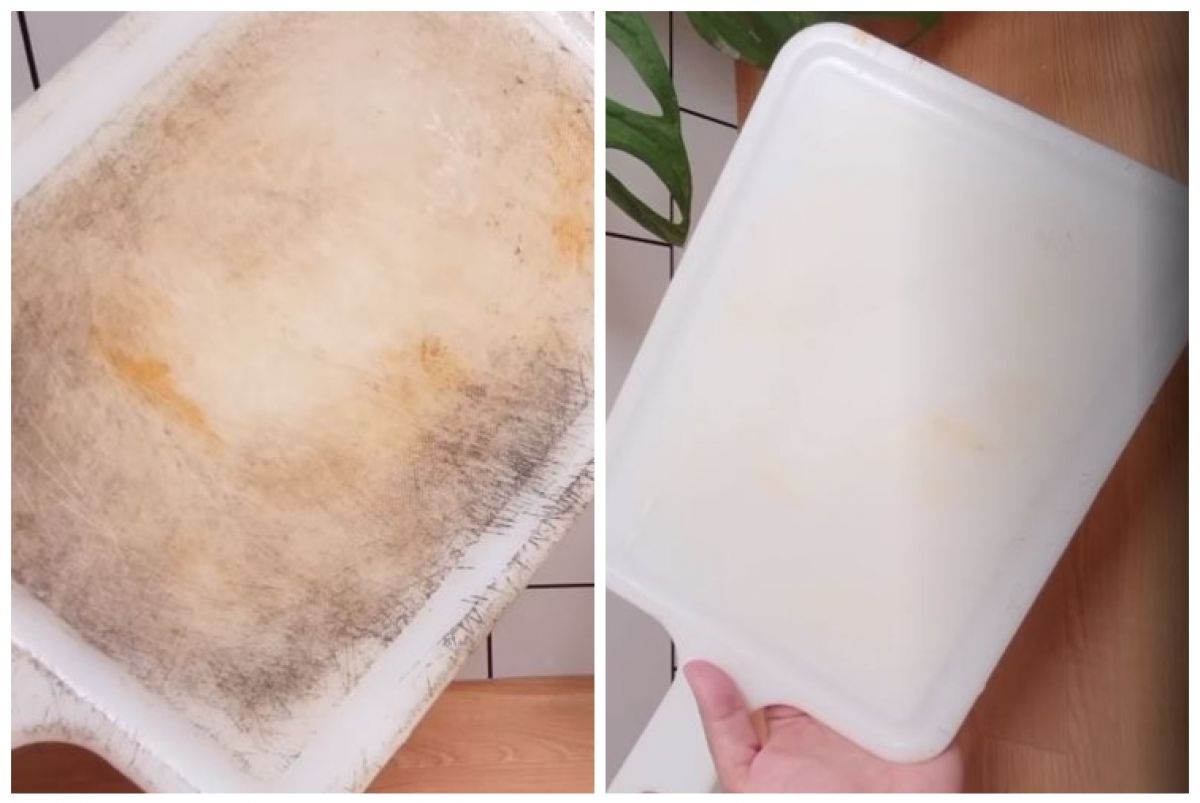
Cutting boards show wear in many ways. Deep cuts and grooves trap food particles and bacteria. Over time, the surface becomes uneven and hard to clean.
- Visible deep scratches or grooves
- Warping or bending of the board
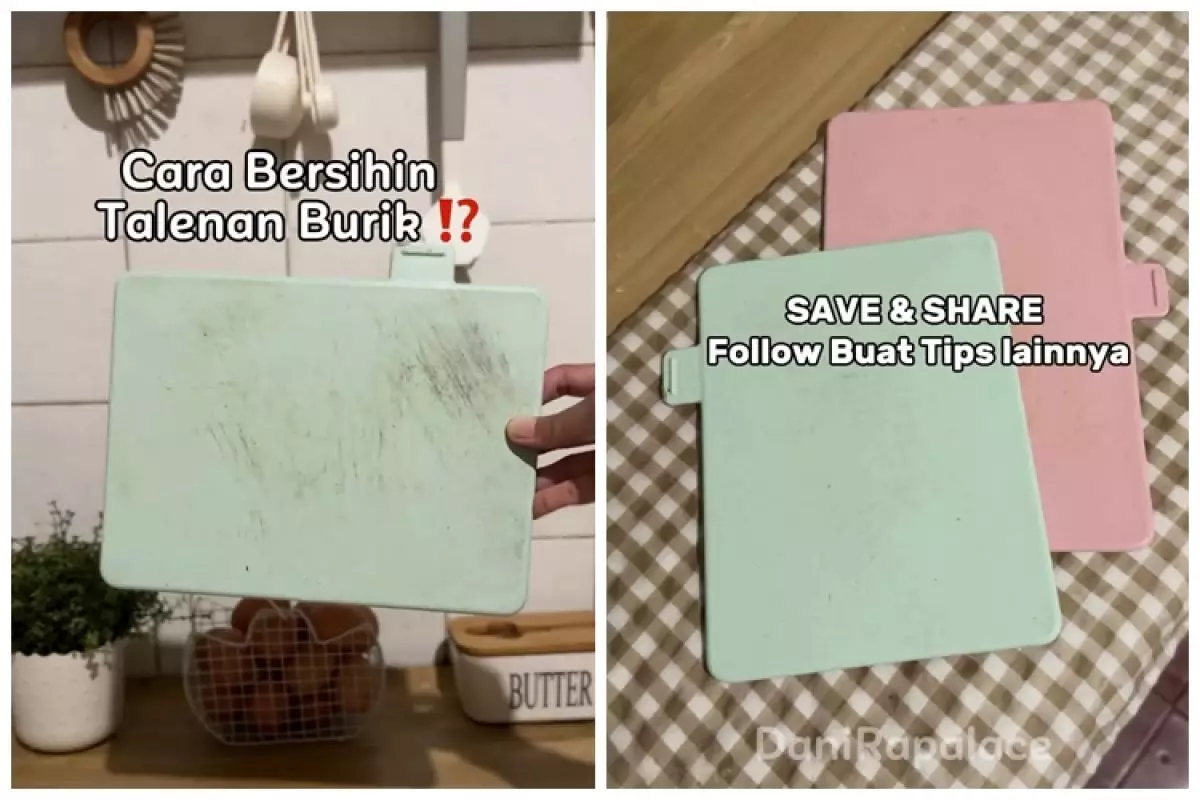
- Discoloration or stains that do not wash out
- Cracks or pieces breaking off
- Persistent odors even after cleaning
Health Risks Of Old Boards
Old plastic cutting boards can cause health problems. Bacteria grow in cracks and grooves. These germs can transfer to your food and cause food poisoning.
| Risk | Description | Impact |
| Bacterial Growth | Hidden germs in cuts and grooves | Foodborne illness |
| Cross-Contamination | Bacteria spread from raw to cooked food | Stomach infections |
| Mold Growth | Moisture trapped in damaged areas | Allergic reactions |
| Chemical Leaching | Old plastic may release harmful chemicals | Long-term health risks |
Credit: en.brilio.net
Frequently Asked Questions
How Do I Sanitize A Plastic Cutting Board?
To sanitize a plastic cutting board, wash it with hot, soapy water. Then, rinse thoroughly. Apply a solution of one tablespoon of bleach mixed with a gallon of water. Let it sit for a few minutes. Rinse again with water and let it air dry completely.
This ensures it’s germ-free.
Can Vinegar Clean Plastic Cutting Boards?
Yes, vinegar can clean plastic cutting boards effectively. Simply spray undiluted white vinegar on the board’s surface. Allow it to sit for a few minutes to break down bacteria. Rinse it thoroughly with warm water. This natural method disinfects and deodorizes without harsh chemicals.
What Is The Best Cleaner For Plastic Cutting Boards?
Dish soap and hot water are the best cleaners for plastic cutting boards. They effectively remove food particles and grease. For deeper cleaning, a solution of bleach and water is excellent for sanitizing. Vinegar and baking soda are also great natural alternatives for cleaning.
How Often Should I Clean My Plastic Cutting Board?
It’s best to clean your plastic cutting board after each use. This prevents cross-contamination and bacteria buildup. Regular cleaning with hot soapy water is essential. Deep clean with a bleach solution or vinegar weekly to maintain hygiene. Keeping it dry between uses is also crucial.
Conclusion
Cleaning plastic cutting boards keeps your kitchen safe and fresh. Use warm water and soap after every use. Scrub gently to remove food bits and stains. Rinse well and dry with a clean towel. For deep cleaning, try vinegar or baking soda.
Avoid harsh chemicals that can damage the board. Regular care stops germs from spreading. A clean cutting board helps prepare healthy meals. Small steps make a big difference in kitchen hygiene. Keep your cutting board clean and enjoy cooking safely every day.