Are you curious about how much electricity your air conditioner really uses? Knowing the wattage of your AC can help you save money on your energy bills and make smarter choices for your home.
You’ll discover the simple facts about air conditioner power consumption and learn easy tips to manage it better. Keep reading to find out how your cooling comfort impacts your energy use—and what you can do to stay cool without overspending.
Air Conditioner Power Basics
Air conditioners come in several types. Each type uses a different amount of power. Common types include window units, split systems, and central air conditioners.
| Model Type | Wattage Range (Watts) |
|---|---|
| Window Unit | 500 – 1500 |
| Split System | 1000 – 3000 |
| Central Air Conditioner | 2000 – 5000 |
Power use depends on many factors. Room size, insulation, and outside temperature all affect energy use. The AC’s efficiency rating also matters. A more efficient unit uses less power for the same cooling.

Credit: udpwr.com
Calculating Energy Consumption
Wattageshows how much energy an air conditioner uses. BTUmeasures cooling power. More BTU means stronger cooling but higher wattage. For example, a 5000 BTU unit uses less watts than a 15000 BTU one.
Running time affects total energy use. Longer use means higher electricity bills. Turning off the AC when not needed saves energy.
Energy labels help find efficient models. Look for Energy Staror similar marks. These units use less power and cool well. Reading labels helps choose the right size and save money.
Energy Efficiency Ratings
SEER(Seasonal Energy Efficiency Ratio) and EER(Energy Efficiency Ratio) are key ratings for air conditioners. SEER measures efficiency over a cooling season. EER measures efficiency at a specific temperature. Higher SEER and EER numbers mean better energy savings and lower electricity bills.
Energy Starcertified air conditioners meet strict energy efficiency guidelines. These units use less power and help reduce your home’s carbon footprint. Choosing Energy Star models often leads to long-term savings on energy costs.
- Look for units with high SEER and EER ratings.
- Energy Star certification ensures tested efficiency.
- Efficient units use less wattage for cooling.
- Smaller units with better ratings save more energy.

Credit: aurorasolar.com
Reducing Power Usage
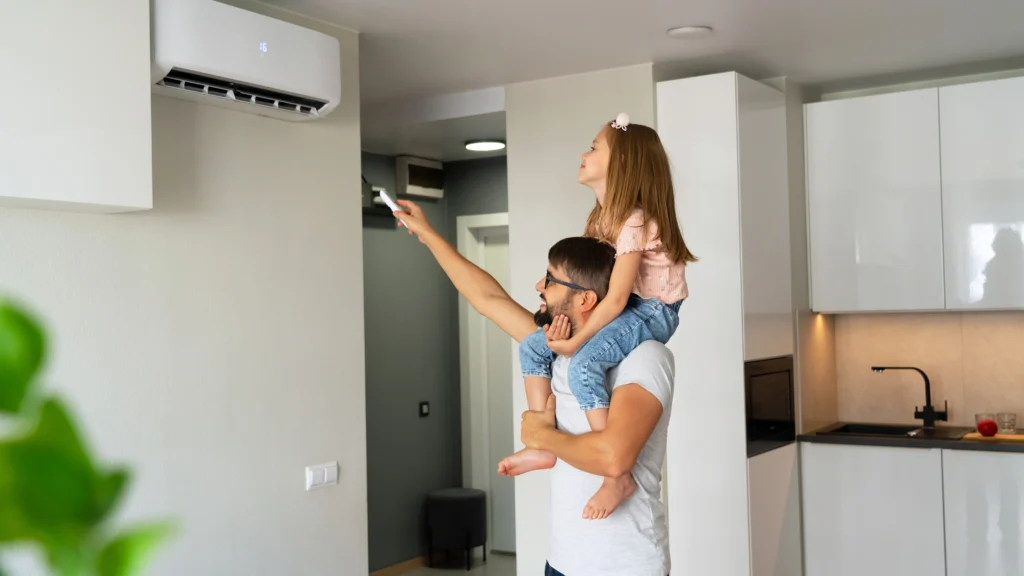
Setting a smart thermostatto higher temperatures when away saves energy. Lowering the cooling setting by just a few degrees reduces power use. Use timers to run the air conditioner only when needed. This avoids wasting electricity during cooler parts of the day.
Regular maintenancekeeps the air conditioner working well. Clean or replace filters every month. Dust and dirt block airflow, making the unit work harder. Check for leaks or damaged parts that lower efficiency.
Good insulationhelps keep cool air inside. Seal windows and doors to prevent warm air from entering. Proper ventilationlets heat escape naturally. Use fans to move air and reduce the load on the air conditioner.
Estimating Electricity Costs
To calculate monthly electricity use, multiply the air conditioner’s wattage by hours used daily. Then, multiply that by 30 days. This gives the total watt-hours per month. Divide by 1,000 to convert to kilowatt-hours (kWh). Utility companies charge by kWh, so this number helps estimate costs.
| Utility Company | Rate per kWh ($) | Notes |
|---|---|---|
| Company A | 0.12 | Standard residential rate |
| Company B | 0.15 | Higher rate during summer months |
| Company C | 0.10 | Discount for off-peak usage |
- Compare rates from different utility providers.
- Note any extra fees or peak-hour charges.
- Use this info to predict your monthly bill.
- Set a budget based on your estimated cooling costs.
- Adjust air conditioner use to save money.
Credit: aurorasolar.com
Alternative Cooling Options
Evaporative coolersuse water to cool the air. They use much less power than air conditioners. These coolers work best in dry climates. They add moisture to the air, making it feel cooler.
Fans and ventilationhelp move air around a room. Fans do not cool air but make you feel cooler by increasing air flow. Using fans with open windows can improve air flow and reduce heat indoors.
Solar-powered systemsuse energy from the sun to run cooling devices. These systems can lower electricity bills. They are eco-friendly and good for sunny areas. Solar power helps reduce the need for traditional electricity.
Frequently Asked Questions
How Much Electricity Does A Typical Air Conditioner Use?
A typical air conditioner uses between 500 to 1500 watts per hour. The exact wattage depends on the unit’s size and efficiency. Larger units consume more power, while energy-efficient models use less electricity. Understanding wattage helps manage your energy bills effectively.
Does Air Conditioner Wattage Vary By Room Size?
Yes, air conditioner wattage varies with room size. Larger rooms require higher wattage units to cool efficiently. For example, a small room may need 500 watts, while a large living room might need 1500 watts or more. Choosing the right wattage saves energy and improves cooling.
How Can I Reduce My Air Conditioner’s Wattage Usage?
To reduce wattage usage, maintain your AC regularly and use energy-saving settings. Close windows and doors to prevent cool air loss. Using a programmable thermostat also helps optimize power consumption. These steps lower electricity bills and extend your unit’s lifespan.
What Factors Affect Air Conditioner Wattage Consumption?
Wattage consumption depends on unit size, efficiency rating, and usage patterns. Outdoor temperature and insulation quality also impact power needs. Frequent on-off cycles increase energy use. Choosing a high SEER-rated AC reduces wattage and improves efficiency.
Conclusion
Understanding air conditioner wattage helps manage energy use effectively. Lower wattage means less electricity consumed. This saves money and reduces environmental impact. Consider the size of your room. Larger rooms need more power. Regular maintenance ensures efficient operation. Clean filters and check for leaks.
Choose energy-efficient models for better performance. Always compare different units before purchase. Making informed choices leads to comfort and savings. Stay cool without overpaying on energy bills. Balancing comfort and cost is key. Keep your home comfortable and your expenses low.