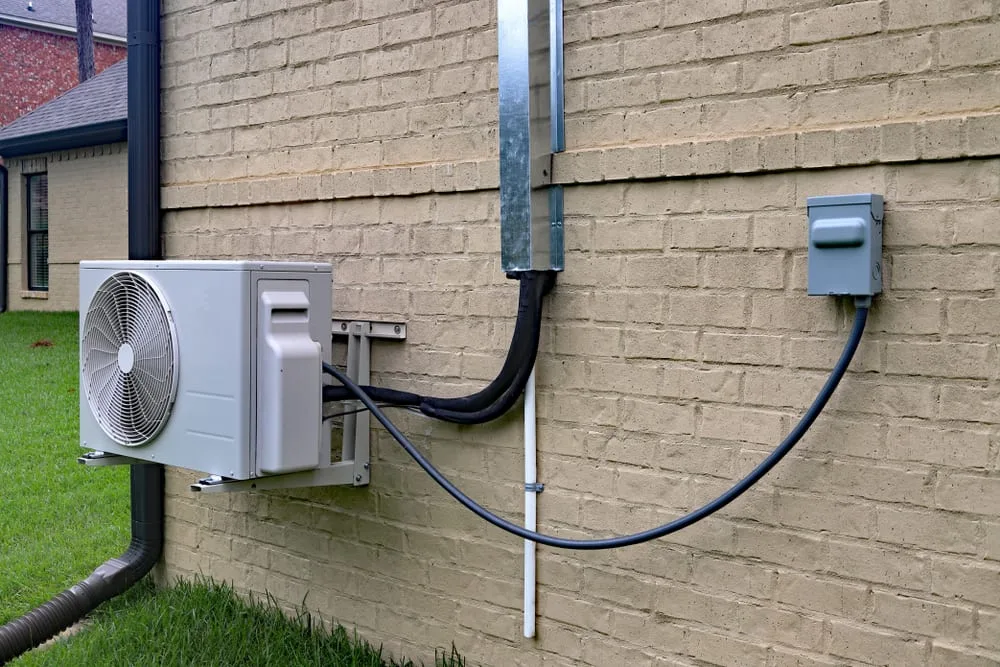
Is your air conditioner no longer keeping your home cool and comfortable? Replacing an air conditioner might seem like a big task, but with the right guidance, you can do it yourself and save money.
You’ll discover simple, step-by-step instructions to replace your air conditioner safely and efficiently. By the end, you’ll feel confident tackling the job and enjoying a fresh, cool home again. Ready to get started? Let’s dive in!
Signs You Need A New Air Conditioner
Frequent breakdownsare a clear sign your air conditioner may need replacement. Repairs become more common and costly over time. This can disrupt your comfort and add stress.
Rising energy billswithout increased use could mean your AC is losing efficiency. Old units use more power to cool the same space. This leads to higher monthly costs.
Inconsistent coolingmakes your home uncomfortable. Some rooms may feel cold while others stay warm. Uneven airflow or weak cooling signals the unit is struggling.

Credit: thelenmechanical.com
Choosing The Right Air Conditioner
Choosing the right air conditioner depends on your room size and needs. There are several types of air conditionersto consider:
- Window units – easy to install, best for small rooms.
- Split systems – quiet and efficient for larger spaces.
- Portable units – flexible, can be moved from room to room.
- Central air – cools whole house but costs more to install.
Sizing your unitcorrectly is very important. A unit too small will not cool well. A unit too large wastes energy and money.
Use the room’s square footage to find the right size. Usually, 20 BTUs per square footworks well.
Check the energy efficiency ratingsbefore buying. The SEERnumber shows how much energy the unit uses. Higher SEER means better efficiency and lower bills.
Tools And Materials Required
Replacing an air conditioner needs the right tools and safety gear. Basic tools include:
- Screwdrivers(flathead and Phillips)
- Wrench setfor loosening bolts
- Pliersfor gripping and cutting wires
- Drillwith bits for mounting
- Levelto ensure proper installation
- Measuring tapefor correct sizing
- Wire stripperfor electrical connections
Safety equipment helps prevent injuries and accidents:
- Glovesto protect hands
- Safety gogglesto shield eyes
- Dust maskto avoid inhaling dust
- Long sleeves and pantsfor skin protection
- Non-slip shoesfor stable footing
Preparing For Replacement
Ensure the power is completely offbefore starting. Locate the circuit breaker and switch it off to avoid any shocks. Double-check by trying to turn on the air conditioner. Safety first.
Remove any covers or panels to access the unit. Carefully disconnect the electrical wires and refrigerant lines. Have a container ready to catch any leftover fluids.
Unscrew the unit from its mounting brackets or window frame. Gently lift it out, asking for help if it feels heavy. Store or dispose of the old unit properly.
Installing The New Air Conditioner
Place the new air conditioner carefully into the window or wall opening. Make sure it fits snugly and is level. A level unit works better and lasts longer.
Connect the electrical wires according to the unit’s instructions. Turn off the power before touching any wires. Use wire nuts and electrical tape to secure connections safely.
Seal gaps around the air conditioner with weatherstripping or foam insulation. This keeps cold air in and hot air out. Proper sealing saves energy and money.
- Check that the unit is stable and secure.
- Use a screwdriver to tighten screws and brackets.
- Test the electrical connection before finishing installation.
- Apply caulk or foam to seal all edges.
Testing And Troubleshooting
Turn on the air conditioner to check if it powers up correctly. Listen for any unusual sounds. Look at the display panel for error codes or warnings. Make sure the unit starts without delays or interruptions.
Check for leaks around the pipes and connections. Use a soap solution or leak detector spray to spot bubbles indicating leaks. Fix leaks promptly to avoid loss of refrigerant and poor performance.
| Check Point | What to Do |
|---|---|
| Cooling Performance | Measure the air temperature from the vents. It should be much cooler than room temperature. |
| Airflow | Ensure air flows freely without blockage or strange noises. |
| Thermostat | Set to desired temperature and verify unit cycles on and off correctly. |
Maintaining Your New Air Conditioner
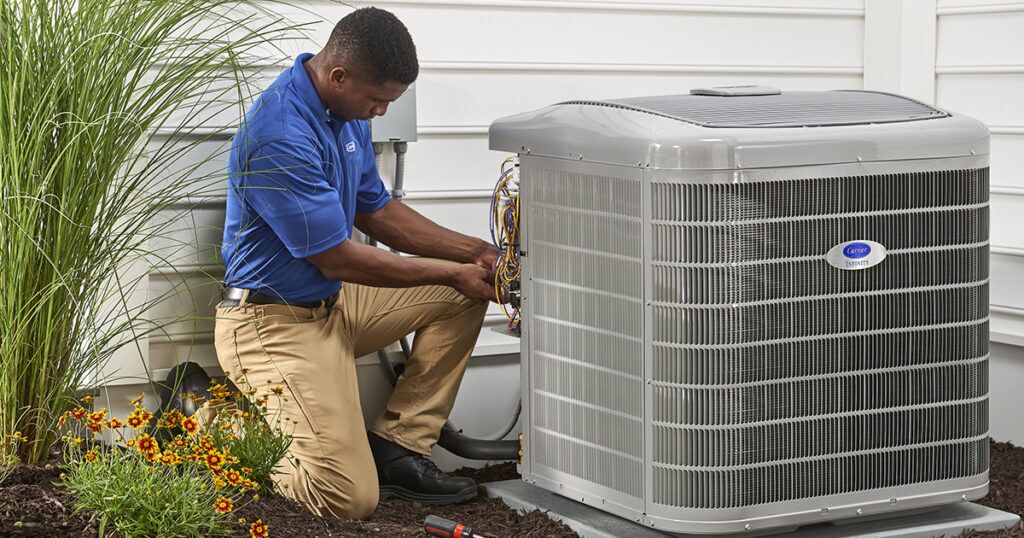
Regular cleaning keeps your air conditioner working well. Dust and dirt can block airflow. Clean the outside unit and the vents often. Clear away leaves and debris from the outdoor unit to stop damage.
Scheduled inspections help catch problems early. Check the system twice a year, especially before hot or cold seasons. A technician can find leaks or worn parts before they cause big issues.
| Filter Replacement Tips |
|---|
|

Credit: aquariushomeservices.com
Credit: bossplumbingltd.com
Frequently Asked Questions
How Do I Know When To Replace My Air Conditioner?
An air conditioner should be replaced if it’s over 10-15 years old, frequently breaks down, or isn’t cooling efficiently. Rising energy bills and unusual noises are also indicators. Consider a replacement for better efficiency and comfort.
What Tools Are Needed To Replace An Air Conditioner?
To replace an air conditioner, you’ll need a screwdriver, wrench, level, and tape measure. Other tools include pliers, a drill, and a utility knife. Having these tools ensures a smooth installation process.
How Long Does It Take To Replace An Air Conditioner?
Replacing an air conditioner typically takes 4 to 8 hours. This timeframe depends on the complexity of the installation and the system type. Hiring a professional can ensure the job is done efficiently and correctly.
Can I Replace An Air Conditioner Myself?
Replacing an air conditioner requires technical skills and knowledge of electrical systems. It’s best to hire a professional to ensure safety and efficiency. DIY installation might void the warranty and could lead to costly mistakes.
Conclusion
Replacing an air conditioner can seem hard at first. Step by step, you can do it right. Choose the right unit that fits your space and budget. Follow safety rules and use the proper tools. Taking your time helps avoid mistakes.
A well-installed air conditioner cools your home efficiently. Enjoy fresh, cool air all summer long. Trust your skills and stay safe throughout the process. Your comfort is worth the effort and care.