
Wondering how much it will cost to replace your air conditioner? You’re not alone.
When your AC starts acting up or stops working altogether, the price tag for a new unit can feel overwhelming. But knowing what affects the cost can help you plan better and avoid surprises. You’ll discover the real factors that drive the price and how to make the best choice for your home and budget.
Keep reading to get the full picture and take control of your cooling costs.

Credit: www.furnaceprices.ca
Factors Influencing Ac Replacement Cost
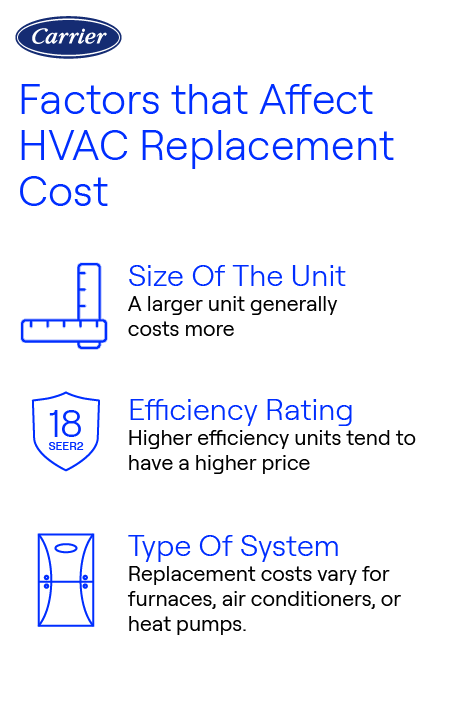
The type of air conditioneraffects the price a lot. Central AC units cost more than window or portable ones.
The unit size and capacitymust fit the room size. Bigger units cool better but cost more.
- Energy efficiency ratingslike SEER impact cost. Higher ratings save money on bills but increase upfront price.
- Installation complexitychanges labor costs. Hard-to-reach places or extra work raise the price.
- Geographic locationinfluences costs too. Some areas have higher prices for parts and labor.
Average Costs By Ac Type
Central air conditionersusually cost between $3,000 and $7,000. This price includes the unit and installation. The size of the home and the unit’s efficiency affect the price.
Ductless mini-split systemsrange from $2,000 to $5,000. These units are good for homes without ducts. They are easier to install and save energy.
Window unitsare the cheapest option. Prices range from $150 to $500. They cool one room at a time and are easy to install.
Portable air conditionerscost between $250 and $600. They are small and can be moved from room to room. Installation is simple but less efficient.
Additional Expenses To Consider
Ductwork repairs and modificationscan add to the cost. Old ducts might need fixing or changing. This helps the air conditioner work well.
Permits and inspection feesare often required by local rules. These fees pay for safety checks. They ensure the new system meets laws.
Removing and disposing of the old air conditioneralso costs money. Proper disposal keeps the environment safe. Some companies include this in their price.
Extended warranties and service plans give extra protection. They cover repairs after installation. This can save money on future problems.
Credit: homeguide.com
Energy Savings And Long-term Costs
SEER ratingsshow how efficient an air conditioner is. Higher SEER means better energy use. This lowers your electric billsover time. Even if units with high SEER cost more at first, they save money later.
Utility bills can drop by up to 30% with better SEERratings. This means more savings each month. These savings add up in the long run. Choosing the right SEER rating depends on your climate and usage.
Maintenance costsalso affect the total cost of owning an AC. Regular check-ups keep the system running well. This prevents costly repairs. Higher SEER units may need less maintenance because they run more smoothly.
| Factor | Effect on Cost | Notes |
|---|---|---|
| SEER Rating | Higher upfront cost | Saves energy and reduces bills |
| Utility Bills | Lower with high SEER | Up to 30% savings monthly |
| Maintenance | Lower with efficient units | Fewer repairs needed |
Ways To Save On Ac Replacement
Choosing the right unit size saves money and energy. A unit too big wastes power. A unit too small runs too long and breaks faster.
Rebates and incentives can lower the cost. Local governments and energy companies offer these deals. Check online or call your utility provider for details.
Licensed professionals ensure the job is done right. They follow safety rules and local codes. Poor installation can cause more problems and higher bills.
Timing your replacement can save money. Prices may drop in the off-season. Scheduling before summer or winter avoids rush and higher fees.
Common Installation Challenges
Older homes often need special care during air conditioner installation. The wiring might not support modern systems. This can cause extra costsand delays. Walls and spaces may not fit new units easily. Sometimes, ducts need to be rebuilt or fixed.
Electrical upgrades are common in older buildings. New air conditioners may require higher powerand updated panels. This means hiring an electrician to add new circuits or breakers. Without proper upgrades, the system won’t work safely or efficiently.
Space limitations can also create challenges. Small yards or tight indoor areas make unit placement tough. Installers may need to get creative with where to put the parts. This can increase labor time and overall price.
Credit: www.carrier.com
Frequently Asked Questions
What Factors Affect Air Conditioner Replacement Costs?
The cost of replacing an air conditioner depends on several factors. Key factors include the unit’s size, brand, efficiency, and installation complexity. Additional costs may include ductwork modifications and permits. Choosing a high-efficiency model can increase upfront costs but save money on energy bills over time.
How Much Does A New Air Conditioner Unit Cost?
A new air conditioner unit typically costs between $3,000 and $7,000. Prices vary based on unit size, brand, and efficiency. High-efficiency models and larger units tend to be more expensive. Installation costs can add an additional $1,000 to $2,000 to the total price.
Is It Cheaper To Repair Or Replace An Ac?
Repairing an AC can be cheaper in the short term. However, if your unit is old and inefficient, replacement may be more cost-effective. Frequent repairs can add up over time, making replacement a better investment for long-term savings and improved efficiency.
How Long Does An Air Conditioner Last?
Most air conditioners last between 10 to 15 years. Lifespan depends on maintenance, usage, and environmental factors. Regular maintenance can extend the life of your unit. If your AC is over 10 years old, consider replacement to improve efficiency and reduce repair costs.
Conclusion
Replacing an air conditioner costs vary depending on size and features. Choosing the right unit saves money and energy. Installation fees also affect the total price. Regular maintenance helps your system last longer. Consider your budget and needs before deciding.
A good air conditioner keeps your home cool and comfortable. Plan your purchase carefully for the best results.