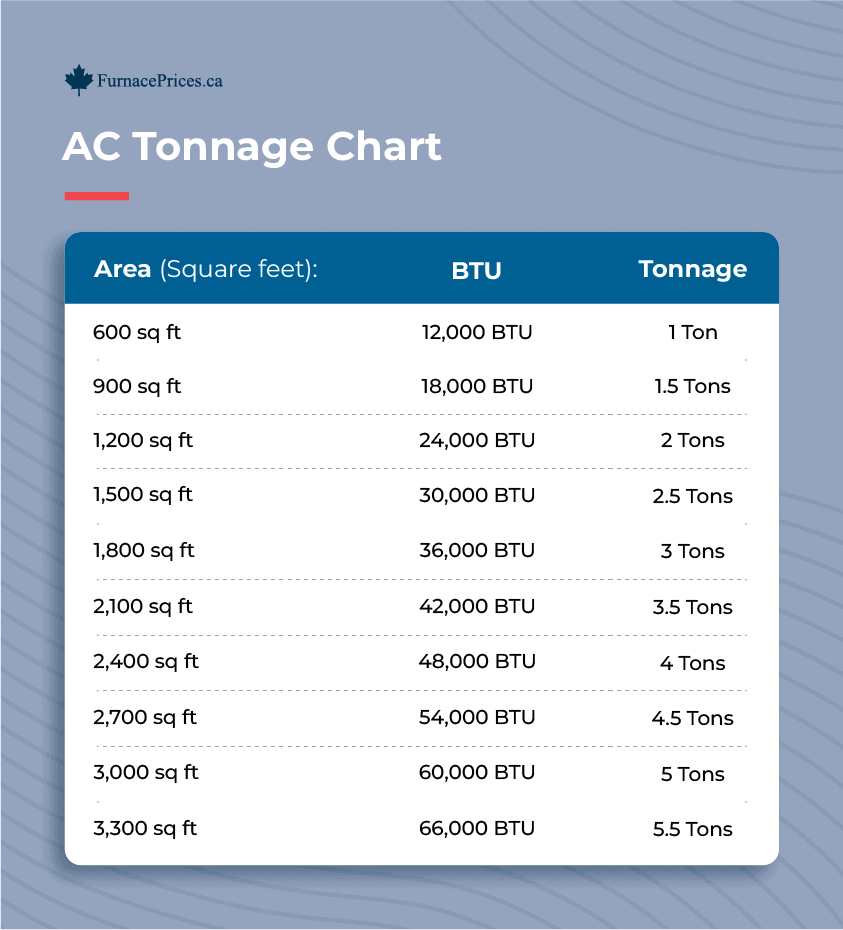
Choosing the right size air conditioner for your space can feel confusing. If your AC is too small, it won’t cool your home properly.
If it’s too big, you’ll waste energy and money. You want to get it just right to stay comfortable and save on bills. You’ll discover simple ways to figure out exactly how big of an air conditioner you need. By the end, you’ll feel confident making the best choice for your home and your budget.
Keep reading to find the perfect fit for your cooling needs.
Why Proper Ac Size Matters
Choosing the right air conditioner sizeis very important. An oversized unitcools the room quickly but cycles on and off too much. This wastes energy and increases bills. A unit too smallruns all the time but can’t cool well. This makes the room uncomfortable.
Energy efficiency depends on matching the AC size to the room. A proper size uses less power and keeps the temperature steady. It lowers your electricity cost.
- Comfort levelsimprove with correct size. The room cools evenly without hot spots.
- Cost savings come from less energy use and fewer repairs.
- A right-sized unit lasts longer because it does not work too hard.
Credit: www.angi.com
Factors Affecting Ac Size
The size of an air conditionerdepends on many important factors. Room size and layoutplay a big role. Larger rooms need more cooling power. Open spaces cool differently than small, closed rooms.
Insulation qualityaffects how well the room holds cool air. Better insulation means less cooling is needed.
Sun exposureheats up the room. Rooms with many windows or direct sunlight need bigger AC units.
The number of occupantsmatters. More people produce more heat, so a stronger AC is needed.
Heat from appliancesalso adds up. Cooking devices, computers, and lights raise room temperature.
| Factor | Effect on AC Size |
|---|---|
| Room Size and Layout | Bigger room = larger AC needed |
| Insulation Quality | Better insulation = smaller AC needed |
| Sun Exposure | More sun = bigger AC needed |
| Occupant Count | More people = larger AC needed |
| Appliance Heat Output | More heat from devices = bigger AC needed |
Measuring Your Space
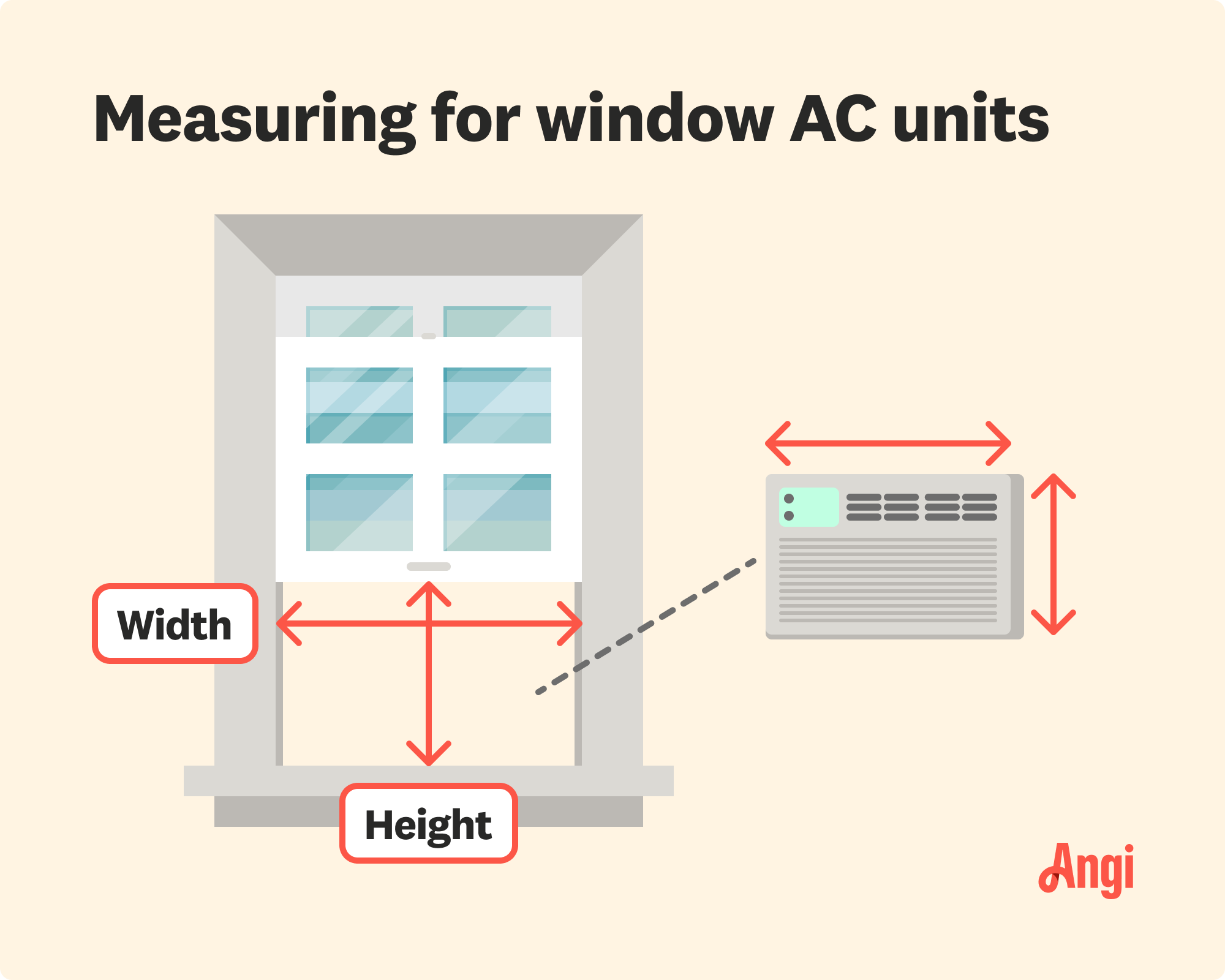
Measure the lengthand widthof the room in feet. Multiply these two numbers to get the square footage. This number helps decide the air conditioner’s size.
Ceiling height matters. Rooms with ceilings higher than 8 feet need more cooling power. For each foot above 8 feet, add extra cooling capacity.
Spaces that are open or connected to other rooms cool differently. Open areas often need a stronger air conditioner. Closed rooms keep cool air better and need less power.
| Room Type | Cooling Need |
|---|---|
| Closed Room | Standard cooling based on square footage |
| Open Area | Increase cooling capacity by 10-20% |
| High Ceilings (above 8 ft) | Add 10% cooling per extra foot |

Credit: northnjhvac.com
Btu And Ton Explained
BTUstands for British Thermal Unit. It measures how much heat an air conditioner can remove in one hour. The higher the BTU, the more cooling power the unit has.
A Tonof air conditioning equals 12,000 BTUs per hour. This term comes from the amount of heat needed to melt one ton of ice in 24 hours.
The size of the air conditioner depends on the space size. Typically, you need about 20 BTUs per square footof living area.
| Square Footage | BTU Needed | Equivalent Tons |
|---|---|---|
| 500 sq ft | 10,000 BTU | 0.83 Ton |
| 1,000 sq ft | 20,000 BTU | 1.67 Tons |
| 1,500 sq ft | 30,000 BTU | 2.5 Tons |
Sizing Guidelines By Room Type
Living roomsusually need an air conditioner with around 20 to 30 BTUsper square foot. These rooms are bigger and often have more windows.
Bedroomsneed less cooling power. Around 20 BTUs per square footworks well since these rooms are smaller and used less during the day.
Kitchensrequire more cooling. The heat from cooking adds to the load. Choose an AC with 25 to 30 BTUs per square footfor comfort.
Basementsare usually cooler and darker. A smaller unit with
Using Online Calculators And Tools
Many popular online calculators help find the right air conditioner size. They ask for room size, ceiling height, and sunlight exposure. Some also consider the number of people and appliances in the room. These tools give a quick estimate of cooling power needed, usually in BTUs (British Thermal Units).
Accuracy depends on the data you enter. Precise measurements lead to better results. Guessing room size or ignoring heat sources can cause errors. Double-check your inputs for the best estimate.
Online tools have limits. They may not consider insulation quality or special room shapes. Some calculators don’t adjust for climate differences. Use them as a guide, not a final answer. For complex cases, consult a professional.
Common Sizing Mistakes To Avoid
Oversizingan air conditioner can cause short cycling. This wastes energy and raises bills. Rooms may not cool evenly. The unit runs on and off too often, which can damage it. Noise levels may also increase.
Undersizingmakes your air conditioner work too hard. It may never cool your space well. The unit runs constantly, shortening its lifespan. High energy use and discomfort follow. Humidity might stay high, too.
Ignoring ventilationaffects air flow and cooling. Proper airflow helps maintain temperature and air quality. Poor ventilation can cause hot spots or stuffy rooms. Air conditioners need space around them to work well.
When To Consult A Professional
Complex home layouts can make it hard to choose the right air conditioner size. Large open spaces or many rooms need special care. A professional can measure and suggest the best option for your home.
Special cooling needs like equipment rooms or sunrooms may need extra cooling power. A regular air conditioner might not be enough. Experts can help plan for these unique spaces.
| Energy Audits | Why It Matters |
|---|---|
| Assess insulation and leaks | Better air conditioner sizing and energy savings |
| Check windows and doors | Identify areas where cool air escapes |
| Measure heat gain and loss | Helps pick the right air conditioner capacity |

Credit: www.warmzilla.co.uk
Frequently Asked Questions
What Size Air Conditioner Is Best For My Room?
Choosing the right air conditioner size depends on your room’s square footage. Typically, you need 20 BTUs per square foot. Measure your room and multiply the square footage by 20 to find the ideal BTU. Always consider factors like ceiling height and sun exposure for accurate sizing.
How Does Room Size Affect Ac Capacity?
Room size directly impacts the air conditioner’s required BTU capacity. Larger rooms need more cooling power. An undersized AC will struggle to cool, while an oversized one may waste energy. Proper sizing ensures efficient cooling, energy savings, and prolonged AC life.
Can A Small Ac Cool A Big Room?
A small air conditioner can’t efficiently cool a large room. It will struggle to reach the desired temperature. This leads to increased energy use and wear. For optimal performance, match the AC size to your room’s square footage and cooling needs.
What Factors Influence Air Conditioner Size?
Several factors affect the size of the air conditioner you need. These include room size, ceiling height, insulation quality, and sun exposure. Additionally, factors like room usage and the number of occupants can impact cooling needs. Properly assessing these factors helps ensure efficient cooling.
Conclusion
Choosing the right air conditioner size matters a lot. A unit too small won’t cool well. Too big wastes energy and money. Measure your room size first. Think about sunlight and insulation too. Proper sizing saves you from future problems.
Stay comfortable without high bills. Take your time to pick wisely. Cooling your home should be easy and efficient. A well-sized AC keeps you cool all summer. Simple steps lead to better comfort and savings.