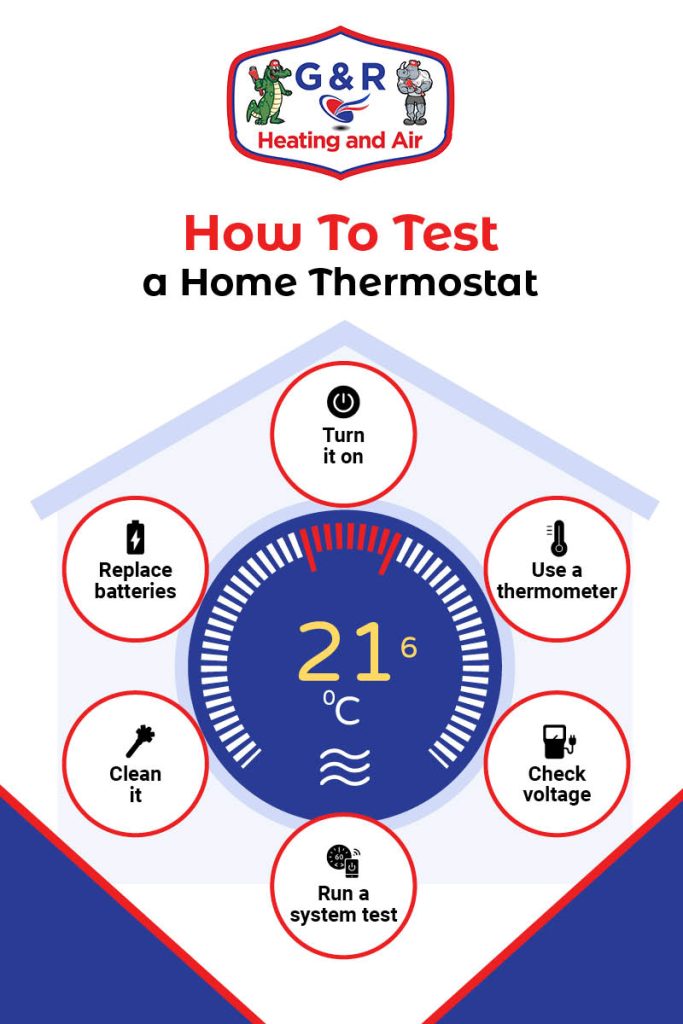
Is your air conditioner not cooling your home like it used to? Before calling a repair service, you might want to check your thermostat first.
Understanding how to check your air conditioner thermostat can save you time, money, and frustration. You’ll discover simple steps to test your thermostat’s performance and spot common issues. Keep reading to make sure your AC is working just the way it should.
Signs Of A Faulty Thermostat
Inconsistent room temperatureis a clear sign of a faulty thermostat. The air conditioner may cool the room too much or not enough. This happens because the thermostat fails to sense the right temperature.
Another sign is the AC running constantly. If the air conditioner never stops, even when the desired temperature is reached, the thermostat might be broken. This leads to higher energy bills and wear on the AC unit.
Unresponsive controlsmean the thermostat does not respond to changes. Adjusting the temperature settings has no effect. This could be due to faulty wiring or a dead thermostat sensor.
Tools Needed For Testing
Testing an air conditioner thermostat requires some basic tools. A thermometerhelps measure the room temperature accurately. Use it to check if the thermostat reads the same temperature as the room.
A screwdriveris necessary to open the thermostat cover. It allows access to the wiring and internal parts for testing.
A multimeteris useful for checking electrical connections and continuity. It helps see if the thermostat sends the right signals to the air conditioner.
- Thermometer: Measures room temperature.
- Screwdriver: Opens thermostat casing.
- Multimeter: Tests electrical circuits.
Preparing For The Check
Before checking the thermostat, ensure the air conditioner is completely powered off. This prevents any electric shock or damage. Find the power switch near the unit or turn off the breaker in the electrical panel.
Next, locate the thermostat. It is usually mounted on a wall inside the house. Look for a small box with a display or dial controls.
Carefully remove the thermostat cover. It may snap off or have small screws. Use a screwdriver if needed. This step allows access to the wiring and internal parts for inspection.

Credit: www.youtube.com
Checking Thermostat Accuracy
Set the desired temperatureon the thermostat clearly. Make sure it is easy to read and stable. Wait a few minutes for the system to adjust.
Use a reliable thermometer to compare room temperaturewith the thermostat’s setting. Place the thermometer near the thermostat but away from direct sunlight or vents.
If the temperatures do not match, adjust the thermostat settings. This may include recalibrating or resetting the thermostat. Follow the manufacturer’s instructions for accurate adjustment.
Testing Thermostat With Multimeter
To test a thermostat using a multimeter, first identify the terminalson the thermostat. Usually, these terminals are labeled as R (power), W (heat), and Y (cool). Consult the thermostat’s manual or label to find these terminals.
Next, set the multimeter to the continuityor ohmssetting. Touch the probes to the terminals you want to test. For example, test between R and W for heating, or R and Y for cooling. A beepor a low resistance reading means the circuit is continuous.
The results show if the thermostat switch works. No beep or infinite resistance means the thermostat is not closing the circuit. This often means the thermostat may be faultyor needs replacement.
Calibrating The Thermostat
The temperature dialon the thermostat controls how cold or warm your room will be. Turn the dial to the desired temperature setting. Wait for the air conditioner to respond and check if the room temperature matches the setting. If the temperature does not match, the dial may need adjustment or calibration.
Resetting the thermostat can fix many common problems. Locate the reset button or switch on your thermostat. Press and hold it for a few seconds until the display turns off and back on. This clears any errors and restarts the system.
Thermostats should be replaced if they no longer control temperature well. Signs include constant temperature swings, unresponsive controls, or display issues. Older models may also lack energy-saving features found in newer ones.
Preventive Tips For Thermostat Maintenance
Keep the thermostat free from dust and dirt by cleaning it regularly. Use a soft cloth to wipe the surface gently. Avoid using water or harsh chemicals that can damage the device.
Place the thermostat away from direct sunlight. Sunlight can make the sensor give wrong readings. This leads to poor air conditioner performance and higher energy use.
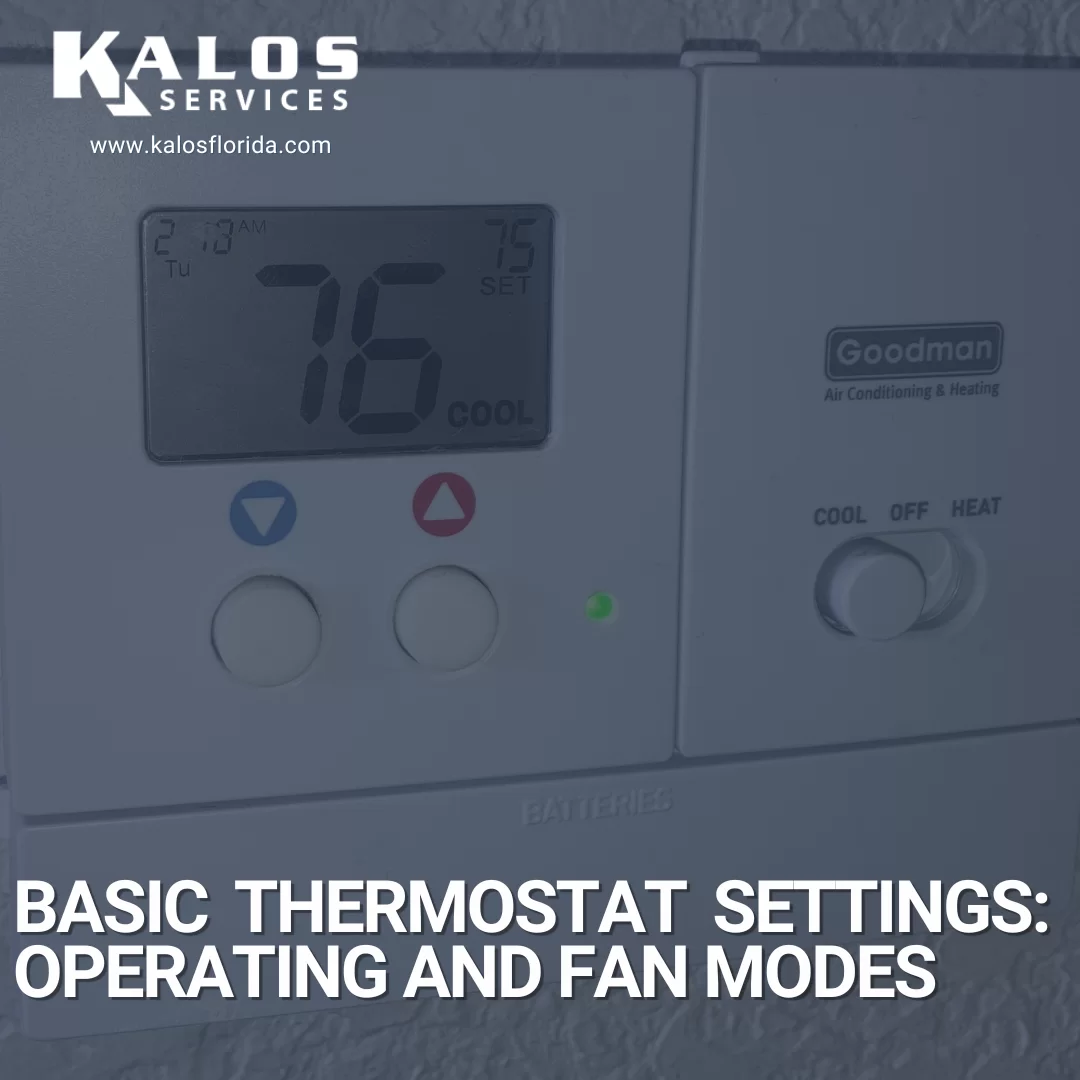
Check the battery life often if your thermostat uses batteries. Weak batteries can cause the thermostat to stop working or show incorrect temperatures. Replace batteries as needed to keep it working well.
Credit: www.kalosflorida.com

Credit: aquariushomeservices.com
Frequently Asked Questions
How Do I Test My Ac Thermostat?
To test your AC thermostat, start by setting the temperature lower than the room’s current temperature. Listen for a click, which indicates the thermostat is working. If the AC doesn’t start, check the power, wiring, or replace the batteries. Consult a professional if issues persist.
Why Is My Thermostat Not Working?
A non-working thermostat may have dead batteries, loose wiring, or faulty components. First, replace the batteries and check the wiring. If the problem continues, inspect the circuit breaker or contact a technician. Regular maintenance can prevent most thermostat malfunctions.
How Can I Reset My Ac Thermostat?
To reset your AC thermostat, turn off the power source. Wait for about 30 seconds, then turn it back on. This simple reset can resolve minor glitches. If issues persist, consult your thermostat’s manual for specific resetting instructions or contact a professional for assistance.
What Are Common Thermostat Problems?
Common thermostat problems include incorrect temperature readings, unresponsive controls, and frequent cycling. These issues can result from poor calibration, dead batteries, or faulty wiring. Regular maintenance and timely battery replacement can prevent most problems. If issues persist, consider consulting a professional technician for a thorough inspection.
Conclusion
Checking your air conditioner thermostat helps keep your home cool and comfortable. A simple test can show if the thermostat works right. Fixing small issues early saves money and time later. Regular checks prevent big problems with your AC. Stay comfortable by knowing how to test your thermostat.
Keep your system running smoothly with these easy steps. Take control of your home’s temperature today.