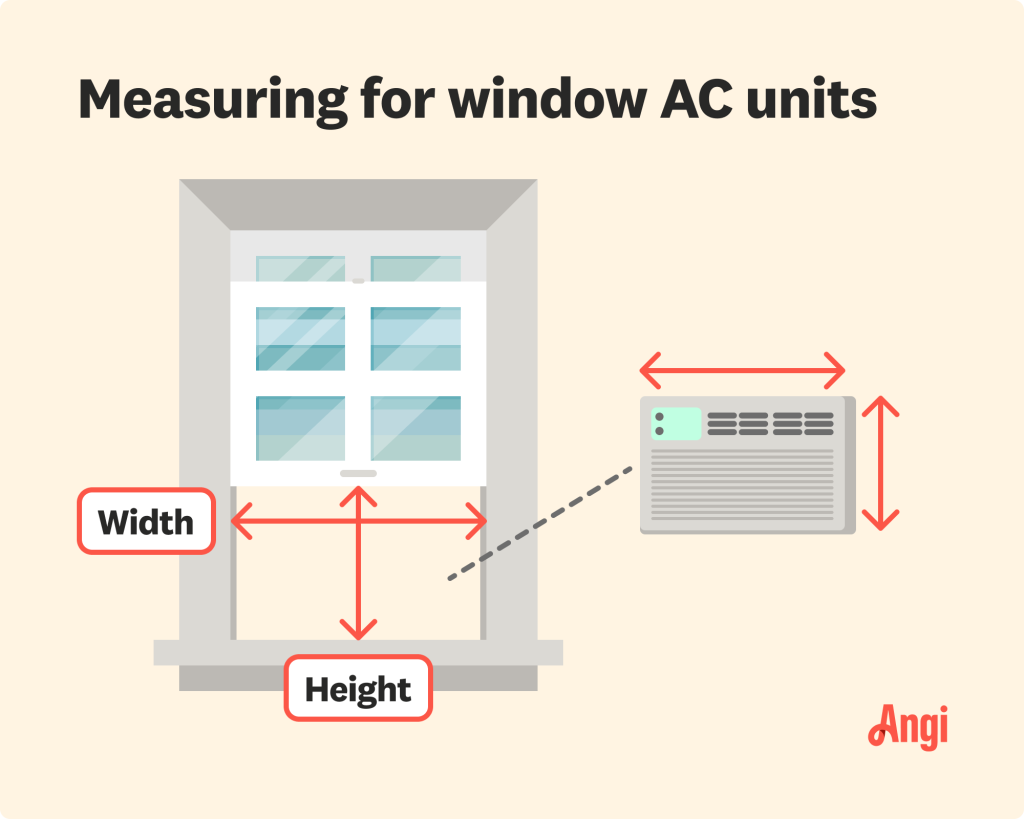
Choosing the right size air conditioner window unit can make all the difference in keeping your room cool and comfortable. But how do you know what size is best for your space?
Pick one too small, and your room will stay warm; go too big, and you’ll waste energy and money. You want a unit that works efficiently, saves you cash, and keeps the heat away. This guide will help you find the perfect fit for your window and your needs, so you can enjoy cool air without any guesswork.
Keep reading to discover how to choose the ideal air conditioner size for your room.
Factors Affecting Ac Size
Choosing the right sizeof a window air conditioner depends on several key factors. The room dimensionsare crucial; bigger rooms need units with higher cooling power. Ceiling heightalso matters because taller ceilings increase the room’s air volume.
Sunlight exposure impacts cooling needs too. Rooms with many windows or direct sun require stronger AC units. Insulation qualityaffects how well the room holds cool air. Poor insulation means the AC must work harder.
Lastly, the number of occupantsinfluences the size choice. More people generate more heat, which demands a larger AC unit for comfort. These factors together help find the best fit for efficient cooling.
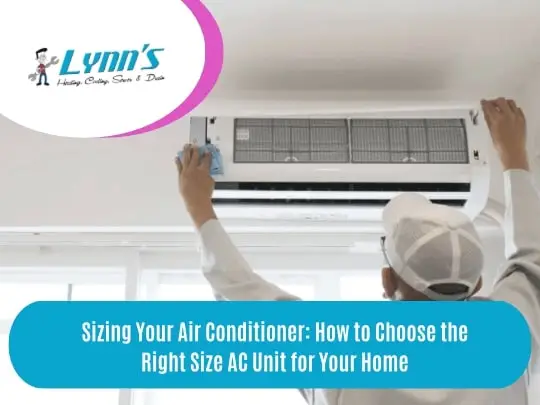
Credit: lynnswinnipeg.ca
Measuring Your Room
Measure the length and width of the room in feet. Multiply these numbers to find the square footage. This number helps decide the right air conditioner size.
For rooms that are not square or rectangular, divide the space into smaller sections. Measure each section separately. Add all sections’ square footage together to get the total room size.
| Room Shape | How to Measure | Example |
|---|---|---|
| Square/Rectangle | Length × Width | 10 ft × 12 ft = 120 sq ft |
| Irregular Shape | Add areas of smaller sections | Section A: 50 sq ft + Section B: 70 sq ft = 120 sq ft |
Btu And Cooling Capacity
BTU measures an air conditioner’s cooling power. Choosing the right BTU size ensures your window unit cools efficiently without wasting energy. Proper cooling capacity keeps your room comfortable and saves money.
What Btu Means
BTUstands for British Thermal Unit. It measures the amount of heat an air conditioner can remove from a room per hour. The higher the BTU number, the more cooling power the unit has. Choosing the right BTU size is important for comfort and energy savings.
Btu Recommendations By Room Size
| Room Size (sq ft) | Recommended BTU |
|---|---|
| 100 – 150 | 5,000 – 6,000 |
| 150 – 250 | 6,000 – 8,000 |
| 250 – 350 | 8,000 – 10,000 |
| 350 – 450 | 10,000 – 12,000 |
| 450 – 550 | 12,000 – 14,000 |
Special Considerations
Rooms in high heat areasneed air conditioners with more power. The unit should have extra cooling capacity to handle strong sunlight and warm temperatures.
Spaces with multiple electronicscreate more heat. TVs, computers, and other devices add warmth, so choose a unit that can cool this extra heat.
Humidity levelsaffect comfort and cooling needs. Higher humidity makes the room feel hotter, so a unit with good moisture removal works best in such areas.
Common Ac Sizes And Uses
Small units (5,000-6,000 BTU)cool rooms up to 150 square feet. Ideal for bedrooms, offices, or small spaces. Use these for light cooling needs or single-room comfort.
Medium units (7,000-10,000 BTU)cover areas between 250 and 450 square feet. Good for living rooms, larger bedrooms, or small apartments. Balance power and energy use well.
Large units (12,000+ BTU)handle spaces over 450 square feet. Best for big rooms, open layouts, or combined areas. Provide stronger cooling but use more electricity.

Credit: northnjhvac.com
Energy Efficiency Tips
Energy Star modelsuse less power. They help lower your electric bills. These units cool rooms well and save energy.
Proper installationis key for good performance. Make sure the unit fits tightly in the window. Seal gaps to keep cool air inside and hot air outside.
- Use a level to install the AC unit evenly.
- Follow the manufacturer’s instructions carefully.
- Check for proper drainage of water.
Regular maintenancekeeps the AC running smoothly. Clean or replace filters every month. Remove dirt from coils and vents. This helps air flow better and cools faster.
Troubleshooting Sizing Issues
Sizing problems often cause poor cooling or high energy use. Measure room size and check BTU ratings carefully. Adjust unit size based on sunlight, insulation, and window placement.
Signs Of Oversized Units
Oversized air conditionerscool rooms too fast. This causes the unit to turn on and off often, called short cycling. It wastes energy and raises bills. The room might feel cold but damp. Moisture stays in the air, causing discomfort and mold risk. Noise level is higher due to frequent starts and stops.
Problems With Undersized Units
Units that are too small run all day but can’t cool well. The room stays warm or hot. The air conditioner works hard, wearing out faster. Energy bills go up because of constant use. This can cause parts to break sooner. Comfort drops and repairs increase.
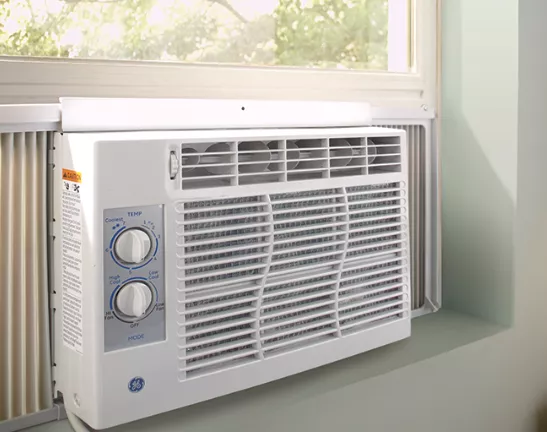
Credit: www.premium-electric.ca
Frequently Asked Questions
How Do I Choose The Right Ac Unit Size?
Choosing the right AC unit size depends on your room’s square footage. Measure the room and use an online BTU calculator. Consider factors like ceiling height, sun exposure, and insulation. A properly sized unit ensures efficient cooling and energy savings.
What Happens If My Ac Unit Is Too Small?
An undersized AC unit struggles to cool the space effectively. It runs continuously, leading to increased energy bills. The room may remain uncomfortable, especially during extreme heat. It’s essential to choose a unit that matches your room size for optimal performance.
Can A Window Ac Cool Multiple Rooms?
A window AC is designed for single-room cooling. If rooms are adjacent and doors are open, some cooling may extend. However, for effective multi-room cooling, consider a larger unit or central air. Proper ventilation and placement improve cooling distribution.
How Energy-efficient Are Window Ac Units?
Window AC units vary in energy efficiency. Look for units with an Energy Star rating for optimal savings. Higher SEER ratings indicate better efficiency. Regular maintenance, like cleaning filters, enhances efficiency. A well-sized unit also contributes to lower energy consumption.
Conclusion
Choosing the right size air conditioner matters a lot. Too small, and the room stays hot. Too big, and energy wastes away. Measure your room first for the best fit. Consider room size, sunlight, and insulation too. A well-sized unit cools quickly and saves money.
Think smart, stay cool, and enjoy your space comfortably. The right choice makes all the difference.