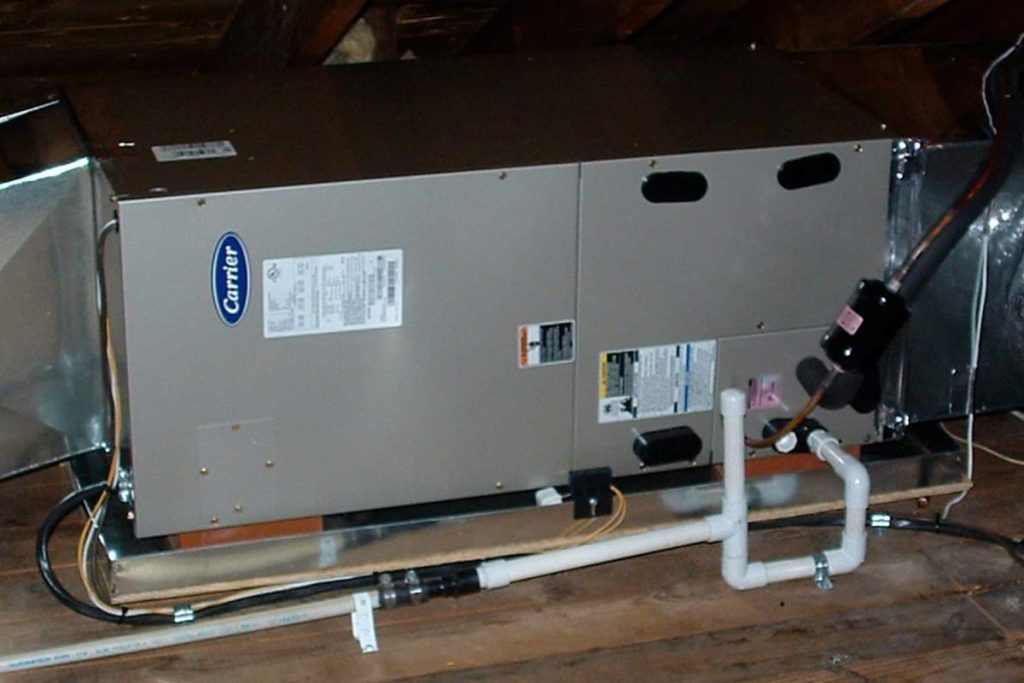
Have you ever wondered where the water from your air conditioner goes? If your AC is leaking or not cooling properly, the problem might be hidden in a small but important part called the drain pan.
Knowing where the air conditioner drain pan is located can save you time, money, and hassle. You’ll discover exactly where to find it and why it matters for your AC’s performance. Keep reading to avoid costly repairs and keep your home cool and comfortable all year round.

Credit: unitedstatesolutions.com
Air Conditioner Drain Pan Basics
The air conditioner drain pancollects water that forms during cooling. This water comes from condensation inside the system. Without the drain pan, water could leak and cause damage. It helps keep the area dry and safe.
Drain pans are made from different materials. The most common are:
- Plastic– lightweight and resists rust
- Metal– usually steel or aluminum, strong but can rust
- Galvanized steel– coated to prevent rust and very durable
Where To Find The Drain Pan
The air conditioner drain panis a small tray that collects water from the unit. It is usually found inside the indoor unit, where it catches water from the cooling process.
Look under the evaporator coil. This coil cools the air, and water forms on it. The drain pan sits just below to catch this water.
It is also located near the condensate drain line. The water collected in the pan flows out through this line. This helps prevent water leaks inside your home.
- Inside the indoor unit
- Under the evaporator coil
- Near the condensate drain line
Types Of Drain Pans
The air conditioner drain pan sits beneath the indoor unit to catch water from condensation. Common types include primary, secondary, and auxiliary pans, each designed for specific locations and purposes. These pans help prevent water damage by collecting and directing moisture safely away.
Primary Drain Pan
The primary drain panis located directly under the evaporator coil. It collects water that drips off during cooling. This pan is usually made of metal or plastic. Its main job is to catch condensation and guide it to the drain line. Keeping this pan clean helps prevent water damage and mold growth. Sometimes it has a drain hole connected to a pipe.
Secondary Drain Pan
The secondary drain pansits below the primary pan. It acts as a backup if the first pan overflows. This pan is often larger and made of plastic. It protects your home from leaks caused by clogs or blockages. Not all AC systems have a secondary pan, but it adds safety. Regular checks can stop water damage before it starts.
Signs Of Drain Pan Issues
Water leaksnear the air conditioner often signal a drain pan problem. The pan collects condensation and stops water from dripping. If it cracks or clogs, water can spill and damage floors or walls.
Mold and mildew growtharound the AC unit often show drain pan troubles. Standing water in the pan creates a damp place where mold grows. This can cause bad smells and health problems.
Unusual noiseslike dripping or gurgling sounds may come from the drain pan area. These sounds happen when water cannot drain properly and starts to build up. This issue needs quick fixing to avoid bigger problems.
Maintaining The Drain Pan
The air conditioner drain pan sits beneath the indoor unit, catching water from condensation. It’s usually a shallow tray hidden inside the unit or near the evaporator coil. Regular checks prevent leaks and water damage.
Cleaning Tips
Regular cleaning helps prevent water damage and mold growth. Use a soft brush to remove dirt and debris. Wipe the pan with a cloth soaked in a mixture of water and mild soap. Rinse the pan well and let it dry completely before reinstalling.
Preventing Clogs
- Check the drain pipe for blockages often.
- Flush the drain line with vinegar or a mild cleaner monthly.
- Keep the area around the pan clean and free of dust.
- Make sure the drain line slopes downwards for proper water flow.
When To Replace The Pan
Look for cracks, rust, or leaks. These signs mean the pan is failing. Replacement is needed to avoid water damage. Choose a pan that fits your AC unit well. Installing a new pan ensures better protection and longer AC life.
Credit: airaceheatingandcooling.com
Professional Inspection And Repair
Calling a technicianis important when the air conditioner leaks water. Some signs include water stains near the unit or a bad smell. A professional can check the drain panand pipes for blockages or damage. Repairs might need special tools or skills.
Common repair methods include:
- Cleaning the drain panand drain line to remove clogs.
- Replacing a cracked or rusted drain pan.
- Fixing or replacing the drain pipe to stop leaks.
- Checking and fixing the condensate pump if it is not working.

Credit: northnjhvac.com
Frequently Asked Questions
What Is An Air Conditioner Drain Pan?
The air conditioner drain pan collects condensation from your AC unit. This component is essential for preventing water damage. It catches the moisture that drips from the evaporator coils. Proper maintenance is crucial to avoid overflow and leaks. Regularly check and clean it to ensure optimal performance.
How Do I Locate The Ac Drain Pan?
To find the AC drain pan, first turn off your unit. Next, remove the access panel to expose the evaporator coils. The drain pan is typically located directly beneath these coils. Consult your AC’s manual for specific instructions, as locations can vary by model.
Why Is My Ac Drain Pan Leaking?
A leaking AC drain pan often results from clogs or cracks. Blocked drain lines cause water overflow. Cracks in the pan allow water to escape. Regular inspection and cleaning can prevent these issues. If leaking persists, consider professional assessment to avoid further damage.
How Do I Maintain The Ac Drain Pan?
Maintaining the AC drain pan involves regular inspection and cleaning. Remove debris and ensure drain lines are unclogged. Use a mixture of water and mild detergent for cleaning. Schedule routine checks, especially during heavy usage periods, to prevent potential water damage from occurring.
Conclusion
Finding the air conditioner drain pan is important for maintenance. It sits under the indoor unit and catches water. Checking it helps prevent leaks and water damage. Clean the pan regularly to keep your AC working well. Knowing its location saves time and avoids problems.
Simple steps make your home safer and more comfortable. Take care of your AC to enjoy cool air all year. Easy to find, easy to maintain.