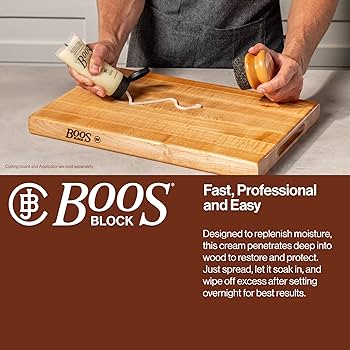
Your bamboo cutting board is more than just a kitchen tool—it’s an investment that deserves care. If you want to keep it looking fresh and prevent cracks or stains, sealing it properly is key.
But how do you do that without spending hours or using complicated products? You’ll discover simple, effective steps to seal your bamboo cutting board so it lasts longer and stays beautiful. Keep reading, and you’ll learn everything you need to protect your board with confidence.
Choosing The Right Bamboo Board
Picking the right bamboo cutting board is key before sealing it. The right board lasts longer and stays safe for food.
Look for quality and type to make sealing easier and more effective. This helps protect your board from damage.
Types Of Bamboo Boards
Bamboo boards come in different styles. Each type has its own look and strength.
Some common types include solid bamboo, laminated bamboo, and end-grain bamboo boards.
- Solid Bamboo:Made from one piece of bamboo. It is strong but can crack over time.
- Laminated Bamboo:Thin bamboo strips glued together. It is stable and less likely to warp.
- End-Grain Bamboo:Bamboo ends are glued to form the surface. It is durable and gentle on knives.
Quality Indicators
Good quality bamboo boards have certain signs to watch for. These signs show the board will last longer.
Check the finish, weight, and joinery of the bamboo pieces before buying.
- Smooth Finish:The surface should be even and polished to avoid splinters.
- Heavy Weight:A heavier board usually means denser bamboo and better quality.
- Tight Joints:Bamboo strips should be glued tightly with no gaps or cracks.
- Proper Thickness:Thicker boards resist warping and damage better.
Preparing The Board For Sealing
Sealing a bamboo cutting board protects it from damage and extends its life. Before sealing, prepare the board carefully to ensure the finish lasts longer.
This guide covers cleaning, drying, and sanding techniques to get your bamboo board ready for sealing.
Cleaning And Drying
Clean the board thoroughly to remove dirt and oils that may stop the sealant from sticking. Dry it completely to avoid trapping moisture inside.
- Wash the board with warm water and mild soap.
- Use a soft brush or sponge to scrub gently.
- Rinse well to remove all soap residue.
- Pat dry with a clean towel.
- Let the board air dry for several hours or overnight.
Sanding Techniques
Sanding smooths the surface and opens the bamboo’s pores. This helps the sealant absorb better and creates a smooth finish.
| Sandpaper Grit | Purpose |
| 120 | Remove rough spots and old stains |
| 220 | Smooth the surface for sealing |
| 320 | Final light sanding for extra smoothness |
Selecting The Best Sealant
Choosing the right sealant for your bamboo cutting board keeps it safe and durable. The sealant protects the board from moisture and stains. It also helps maintain the board’s look over time.
There are two main types of sealants to consider: food-safe oils and wax or varnish options. Each has benefits and suits different needs.
Food-safe Oils
Food-safe oils soak into the bamboo and create a natural barrier. They keep the wood moisturized and prevent cracking. These oils are safe for direct contact with food.
- Mineral oil: clear, odorless, and easy to apply
- Coconut oil: natural and has antibacterial properties
- Walnut oil: dries hard and offers good protection
- Beeswax mixed with oil: adds extra water resistance
Wax And Varnish Options
Wax and varnish provide a thicker protective layer on the surface. They help block water and stains but may require more care. Some varnishes are food-safe after curing.
| Sealant Type | Pros | Cons |
| Beeswax | Natural, water-resistant, easy to apply | Needs regular reapplication |
| Food-Safe Varnish | Durable, strong water and stain protection | Longer drying time, some brands not edible |
| Polyurethane (Food-Safe) | Very tough and long-lasting | Must be fully cured before use |
Applying The Sealant
Sealing a bamboo cutting board protects it from water and stains. This helps the board last longer and stay clean.
Applying sealant properly is important for good protection. Follow the steps carefully to get the best results.
Step-by-step Application
Start by cleaning the cutting board well. Make sure it is dry before applying the sealant.
Use a clean cloth or brush to apply the sealant evenly. Cover all surfaces of the board, including edges.
- Apply a thin layer of sealant to avoid sticky spots
- Let the sealant soak in for 10-15 minutes
- Wipe off any extra sealant with a dry cloth
- Allow the board to dry completely, usually overnight
- Apply a second coat if needed for extra protection
Tips For Even Coverage
Use smooth, long strokes to spread the sealant. This helps avoid patches or thick spots on the board.
Work in a well-lit area so you can see where the sealant is applied. Check all sides carefully.
- Apply sealant in thin layers for better absorption
- Use a soft cloth or foam brush for smooth application
- Rotate the board while sealing to reach all angles
- Do not rush drying time between coats
- Keep the room temperature steady to help sealant dry evenly
Drying And Curing Process
Sealing a bamboo cutting board requires a careful drying and curing process. This step helps protect the board and keeps it strong for daily use.
Proper drying and curing prevent moisture damage and make the seal last longer. It is important to follow the right conditions and give enough time.
Ideal Conditions
Drying and curing need a clean, dry place with good airflow. Avoid places with high humidity or direct sunlight.
Keep the temperature steady around 70°F (21°C). Too hot or cold can cause cracks or slow drying.
- Use a well-ventilated room
- Keep away from moisture
- Avoid direct sunlight
- Maintain steady temperature
Timing And Patience
Let the board dry slowly for at least 24 hours after sealing. Rushing can cause the finish to peel or stay sticky.
After drying, cure the board for up to 7 days. This lets the seal harden fully and protects the bamboo.
- Dry for 24 to 48 hours
- Cure for 5 to 7 days
- Handle gently during curing
- Do not use water during this time

Credit: kingsfleet.ca
Maintaining The Sealed Board
Sealing a bamboo cutting board protects it from water and stains. Keeping the seal strong helps your board last longer.
Proper care keeps the board clean and the finish intact. This guide explains how to maintain your sealed bamboo board.
Regular Cleaning
Clean your bamboo board after each use. Use mild soap and warm water to avoid damaging the seal.
Do not soak the board or put it in the dishwasher. Dry it with a towel right away to prevent water damage.
- Use a soft sponge or cloth for cleaning
- Avoid harsh chemicals and abrasive scrubbers
- Wipe dry with a clean towel immediately
- Store the board in a dry, well-ventilated place
Re-sealing Schedule
Over time, the seal on your bamboo board wears off. Re-seal it to keep water and stains out.
Apply a food-safe mineral oil or bamboo-specific conditioner every few months. This keeps the board strong and smooth.
- Check the board monthly for dryness or cracks
- Apply oil or conditioner when the surface looks dull
- Rub the oil evenly and let it soak in for hours
- Wipe off excess oil before storing
Common Mistakes To Avoid
Sealing a bamboo cutting board keeps it safe and long-lasting. Some mistakes can harm the board or reduce its life. Avoid these common errors for the best results.
Using the right method protects the bamboo from water and stains. It also keeps the surface smooth and clean. Pay attention to these common mistakes.
Over-saturating
Putting too much oil or sealant on your bamboo board can cause problems. The wood may stay sticky or take a long time to dry. This invites dust and dirt to stick.
Use only a small amount of oil. Apply thin, even layers and let each dry fully. Repeat if needed but do not rush the process.
- Apply thin coats of oil or sealant
- Wipe off any extra product immediately
- Allow full drying time between layers
- Avoid soaking the bamboo with too much liquid
Using Harsh Chemicals
Harsh chemicals can damage bamboo fibers and strip natural oils. They may also leave toxic residues on the board. This affects food safety and board quality.
Choose natural oils or food-safe sealants. Avoid bleach, ammonia, or strong cleaners. Gentle soap and warm water are best for cleaning.
- Do not use bleach or ammonia
- Use food-safe oils like mineral or walnut oil
- Clean with mild soap and warm water only
- Test any new product on a small area first

Credit: forest-decor.com

Credit: cheesegrotto.com
Frequently Asked Questions
How Often Should I Seal My Bamboo Cutting Board?
Seal your bamboo cutting board every 1 to 3 months. Frequent sealing prevents water damage and cracking. Regular maintenance keeps the board durable and hygienic.
What Is The Best Oil To Seal Bamboo Cutting Boards?
Food-grade mineral oil is the best choice. It penetrates bamboo without leaving harmful residues. Avoid vegetable oils as they can turn rancid over time.
Can I Use Beeswax To Seal Bamboo Cutting Boards?
Yes, beeswax can be mixed with mineral oil. This combo adds a protective layer and enhances water resistance. It also gives a smooth, polished finish.
How Do I Prepare The Bamboo Board Before Sealing?
Clean the board thoroughly with mild soap and water. Let it dry completely to avoid trapping moisture. Sand lightly if the surface is rough.
Conclusion
Sealing your bamboo cutting board ensures its longevity and beauty. Regular maintenance prevents damage and keeps it looking great. First, clean the board thoroughly. Next, apply food-safe mineral oil evenly. Let it soak in for a few hours. Finally, wipe off any excess oil.
Repeat this process monthly for best results. This simple care routine keeps your board in top shape. Your cutting board will last longer and remain a kitchen favorite. Enjoy a reliable and durable tool for your culinary adventures. Happy cooking and chopping!