Is your air conditioner frozen and not working properly? You’re not alone, and the good news is you don’t have to call a repair person right away.
Knowing how to thaw a frozen air conditioner yourself can save you time, money, and frustration. You’ll discover simple, effective steps to get your AC back to normal quickly. Keep reading to learn exactly what to do before the heat kicks in again.

Credit: serviceplusheatingcooling.ca
Why Air Conditioners Freeze
Air conditioners freeze mainly due to poor airflowor low refrigerantlevels. Dirt or dust can block the air filter, causing cold air to build up and freeze the coils. Thermostat issuesor setting the temperature too low also lead to freezing.
Here are some common causes:
- Dirty air filtersreduce airflow.
- Low refrigerantmeans less cooling power.
- Fan problemsstop air from moving.
- Thermostat set too lowcools too much.
Freezing harms the AC’s performance. Ice blocks air, so rooms do not cool well. It can also damage the compressor, leading to costly repairs. Regular cleaning and checks help avoid freezing.

Credit: www.delcohvac.com
Signs Of A Frozen Ac
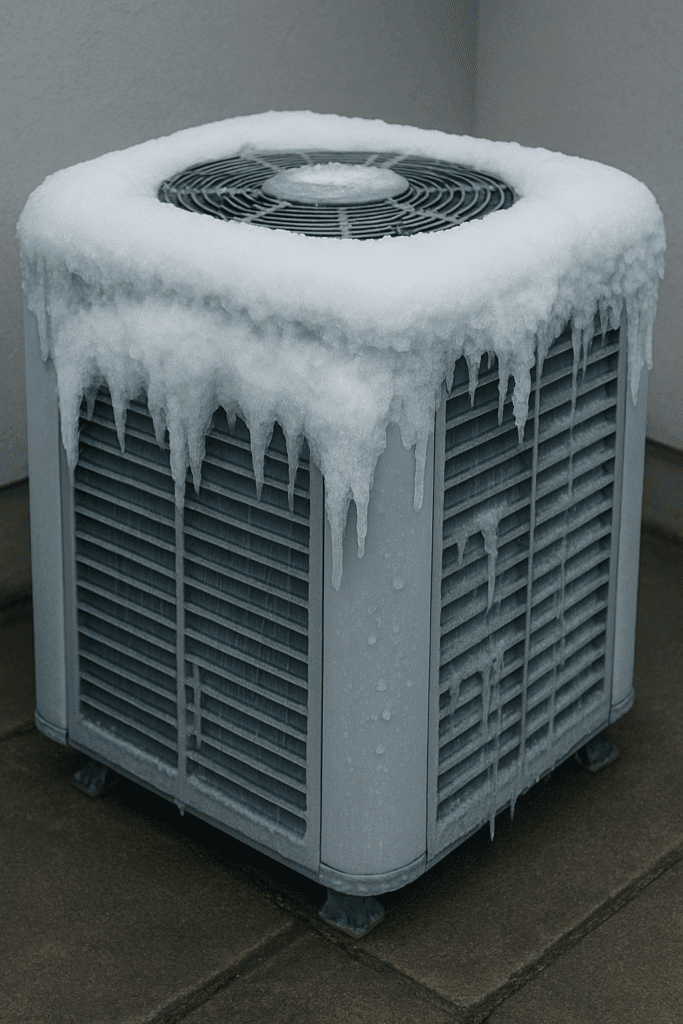
Visible ice formationon the air conditioner is a clear sign of freezing. Ice may cover the coils or the refrigerant lines. This ice blocks airflow and stops the unit from cooling properly. It often happens when the AC runs for too long or the airflow is weak.
Reduced cooling efficiencyshows the AC is struggling. The room stays warm or cools very slowly. Energy bills might rise because the unit works harder. This drop in performance often signals the presence of ice inside the system.
Immediate Steps To Thaw
Turn off the air conditioner immediately to stop more ice from forming. This prevents damage to the unit and helps it thaw faster. Keep the unit off until all the ice melts completely.
Use fans to move air around the room. This helps the ice melt quicker by improving air circulation. Place fans near the air conditioner for better airflow.
Safe Thawing Methods
Let the air conditioner sit at room temperature. This helps ice melt slowly and safely.
Avoid using hot water or sharp tools to remove ice. These can damage the unit.
Warm towels can help speed up thawing. Soak towels in warm water and place them on frozen parts.
Change towels often to keep the warmth steady. This method is gentle and effective.
Patience is key. Let the ice melt naturally to avoid harm.
Preventing Future Freezing
Regular checks help keep your air conditioner from freezing again. Clean or replace the filters often. This allows air to flow freely. Dirt and dust block airflow, causing freezing.
Look at the outdoor unit. Remove leaves, dirt, or debris. Keep the area around the unit clear for good airflow.
Checking refrigerant levels is key. Low refrigerant causes ice to form on coils. A professional can check and refill the refrigerant safely.
Keep the thermostat at a steady temperature. Avoid setting it too low. Sudden changes can make the unit freeze.
- Clean or replace air filters monthly
- Clear debris around outdoor unit
- Check refrigerant levels yearly
- Maintain consistent thermostat settings
- Schedule regular professional maintenance
When To Call A Professional
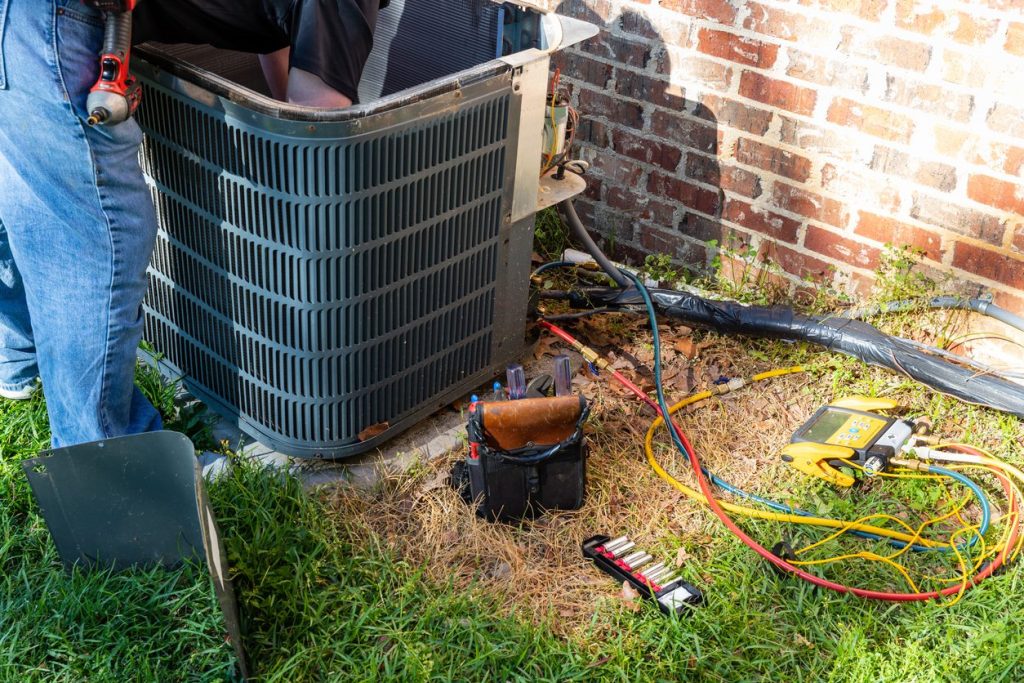
Signs of deeper issuesinclude the air conditioner freezing again soon after thawing. Strange noises or a burning smell may also signal problems. If the unit does not cool well or water leaks inside, these are warning signs. Constantly frozen coils might mean low refrigerant or a dirty filter. Electrical faults or broken fans can cause freezing too. These issues need expert diagnosis and repair to avoid damage.
Benefits of expert helpinclude quick and safe thawing of the unit. Professionals can find and fix the root cause of freezing. They have the right tools and knowledge to avoid harm. Hiring a pro saves time and prevents costly repairs later. Regular service by experts improves air conditioner life and efficiency. Trusting skilled technicians ensures better cooling and energy savings.
Credit: bellplumbing.com
Frequently Asked Questions
How Do You Know If Your Ac Is Frozen?
If your AC is frozen, you’ll notice reduced airflow or none at all. Ice may form on the coils or exterior. Also, the unit may struggle to maintain the desired temperature. Check for water leakage around the unit, as thawing ice can cause puddles.
What Causes An Air Conditioner To Freeze?
Air conditioners freeze due to low refrigerant levels, poor airflow, or dirty coils. A malfunctioning thermostat or blower fan can also cause freezing. Regular maintenance and cleaning can prevent these issues. Always ensure your AC is correctly set and filters are clean.
How Long Does It Take To Thaw?
Thawing a frozen AC typically takes 1 to 3 hours. The exact time depends on the extent of freezing and room temperature. Turn off the AC and let it defrost naturally. Avoid using external heat sources, as they can damage the unit.
Can I Prevent My Ac From Freezing?
Yes, regular maintenance can prevent freezing. Clean or replace air filters monthly to ensure proper airflow. Check refrigerant levels and inspect coils for dirt buildup. Ensure vents are open and unobstructed. Schedule professional inspections annually to catch potential issues early.
Conclusion
Thawing a frozen air conditioner does not have to be hard. Turn off the unit and let the ice melt naturally. Avoid using sharp tools or hot water to speed it up. Clean filters and check airflow to prevent future freezing.
Regular maintenance keeps your air conditioner working well. Stay patient and careful during the thawing process. This helps your unit last longer and cool your home better. Taking simple steps can save money and avoid damage. Keep your air conditioner running smoothly all year.