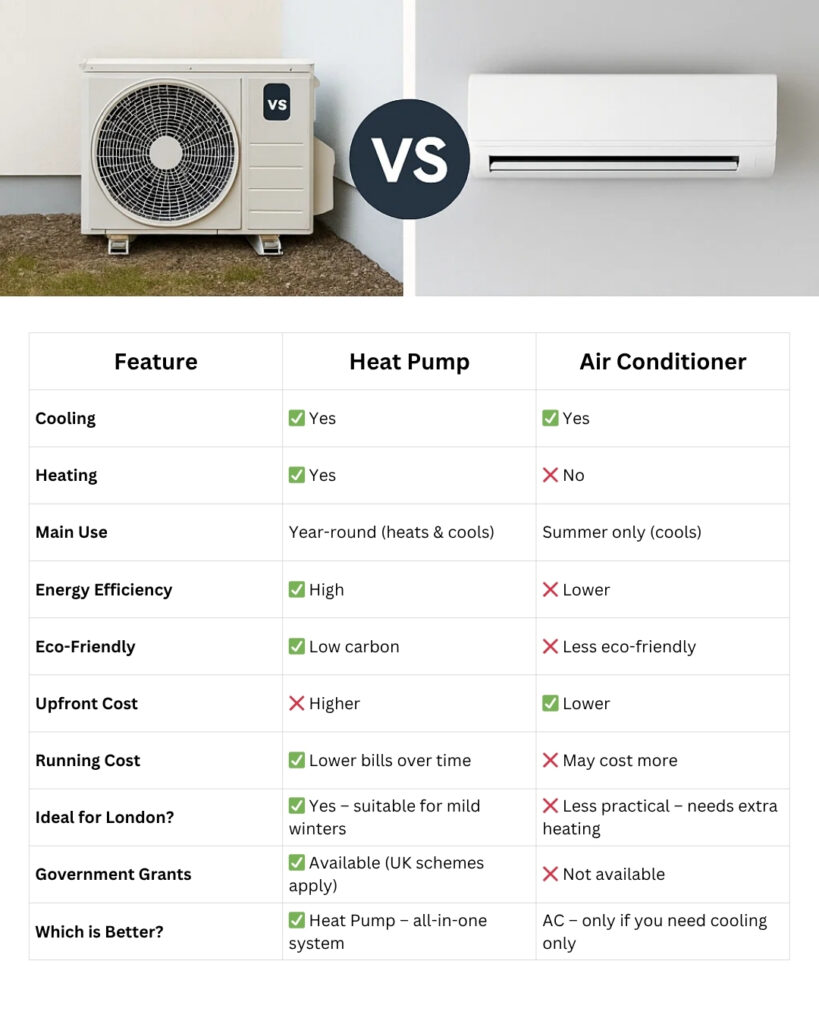
Are you wondering if heat pumps are a better choice than traditional air conditioners? Choosing the right cooling system can save you money and keep your home comfortable all year round.
But which option truly delivers more efficiency? You’ll discover how heat pumps work, why they might be more energy-efficient, and what that means for your electricity bills. By the end, you’ll have a clear answer to help you make the smartest decision for your home and your wallet.
Keep reading to find out which cooling system could be the perfect fit for you.
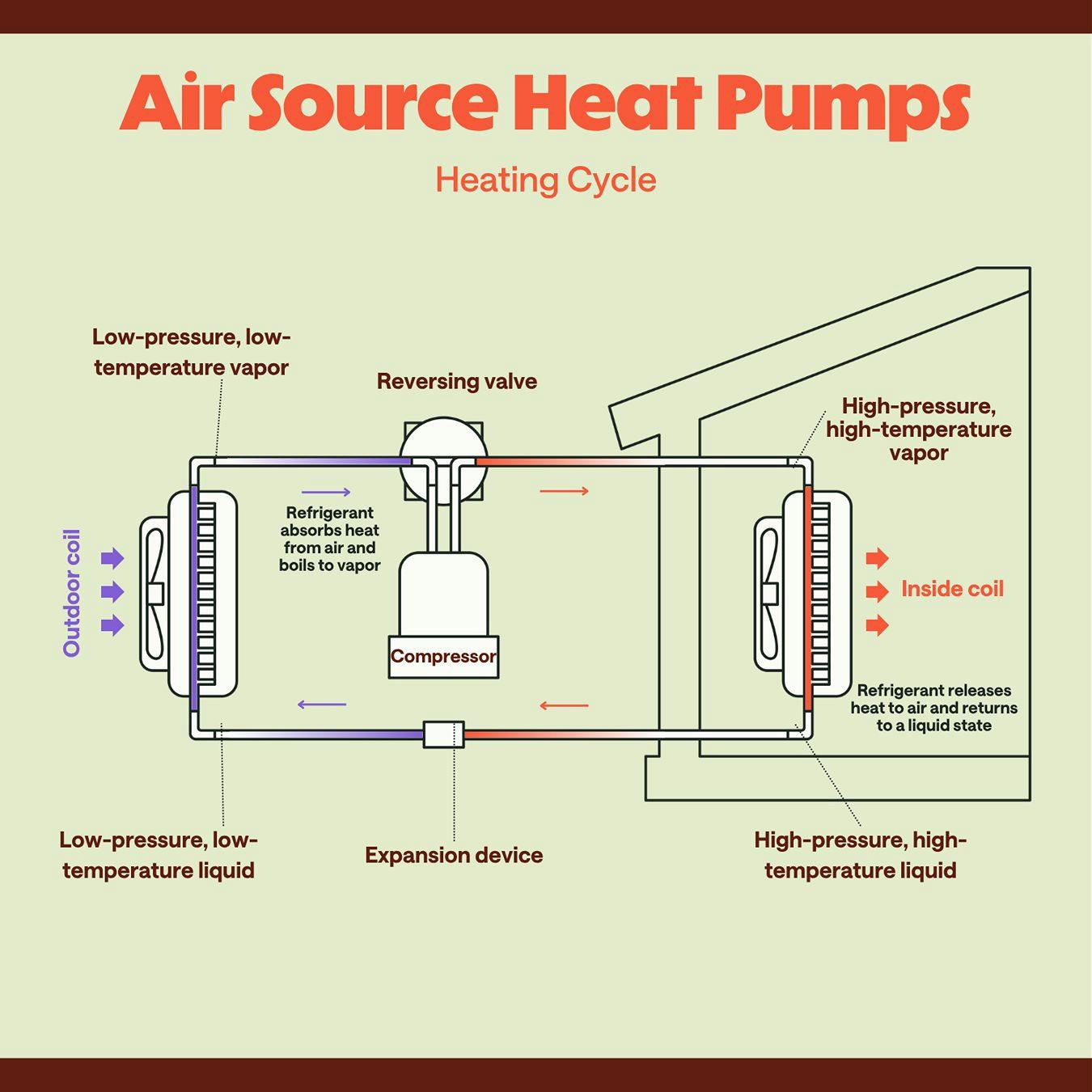
Credit: palmetto.com
How Heat Pumps Work
A heat pump moves heat from one place to another using a special fluid called refrigerant. It works like a refrigerator but can both heat and cool spaces.
In heating mode, the heat pump takes heat from outside air and brings it inside. Even if it is cold outside, it can still pull heat from the air.
In cooling mode, the heat pump works like an air conditioner. It takes heat from inside the house and moves it outside, making the inside cool.
This process uses less energy than traditional heating and cooling systems because it moves heat instead of creating it.
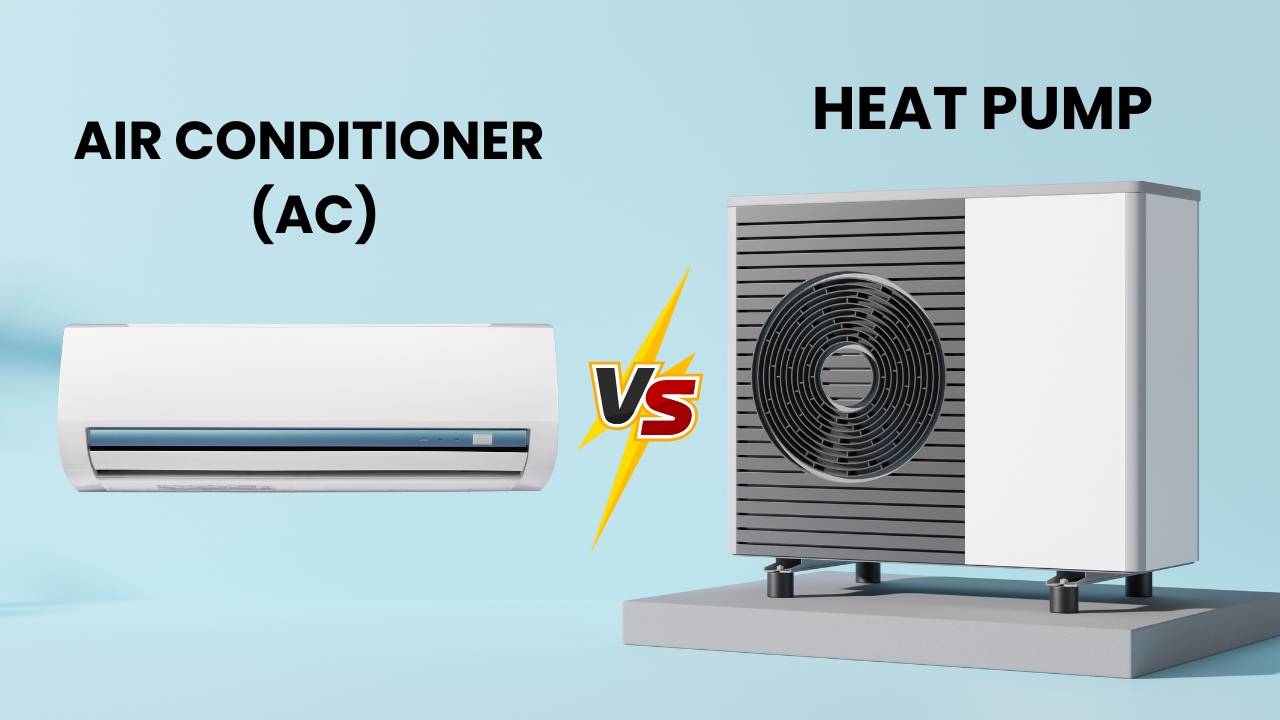
Credit: www.rapidheat247.co.uk
Air Conditioner Functionality
An air conditioner cools the air by removing heat from inside a room. It uses a refrigerant that absorbs heat and moves it outside. The process starts when warm air passes over cold coils inside the unit.
The refrigerant inside the coils changes from liquid to gas, capturing heat from the air. This cooled air then circulates back into the room. Meanwhile, the heat absorbed by the refrigerant is released outside.
| Energy Use | Details |
|---|---|
| Electricity Consumption | Air conditioners use electric power to run compressors and fans. |
| Efficiency | Measured by SEER rating; higher means less energy used for cooling. |
| Energy Loss | Some energy is lost as heat during the cooling process. |
Efficiency Comparison
Heat pumpsuse electricity to move heat, not create it. This makes them very energy efficientfor both heating and cooling. Air conditioners only cool by removing heat from indoors and sending it outside.
In cold climates, heat pumps work harder to pull heat from cold air. This can lower their efficiency compared to mild climates. Air conditioners do not provide heating, so heat pumps can save energy by handling both tasks.
| Climate | Heat Pump Efficiency | Air Conditioner Efficiency |
|---|---|---|
| Hot and Mild | High efficiency in cooling and heating | High efficiency in cooling only |
| Cold | Efficiency drops but still heats well | No heating function |
Seasonal performance varies. Heat pumps save energy by switching between heating and cooling. Air conditioners only cool, so a separate heater is needed in winter.
Cost Implications
The initial investmentfor heat pumps is usually higherthan air conditioners. This is because heat pumps offer both heating and cooling functions. They need more parts and complex installation. Air conditioners cost less upfront but only cool the air.
Over time, heat pumps can lead to long-term savings. They use less electricity for heating, which cuts energy bills in winter. Air conditioners only save money in summer. Heat pumps reduce the need for separate heating devices.
| Cost Aspect | Heat Pump | Air Conditioner |
|---|---|---|
| Initial Investment | Higher due to dual function and installation | Lower, focused on cooling only |
| Long-Term Savings | Significant energy savings for heating and cooling | Limited savings, only cooling energy use |
Environmental Impact
Heat pumps use less energy than air conditioners, reducing greenhouse gas emissions. They also help lower your carbon footprint by heating and cooling efficiently. This makes them a greener choice for the environment.
Carbon Footprint
Heat pumps often use less electricity than air conditioners. This means they create lower carbon emissions. They also work by moving heat, not making it, which saves energy. Using heat pumps can help reduce the overall carbon footprintof heating and cooling your home. Less energy use means less pollution and helps the environment.
Refrigerant Types
| System | Common Refrigerants | Environmental Effect |
|---|---|---|
| Heat Pumps | R-410A, R-32 | Lower global warming potential (GWP) refrigerants |
| Air Conditioners | R-22, R-410A | Some use older refrigerants with higher GWP |
Choosing The Right System
Choosing the right system depends on home sizeand insulation quality. Larger homes need more power, so heat pumps may work well. Well-insulated homes keep air inside, making any system more efficient. Poor insulation means more energy use.
Climate plays a key role. Heat pumps work best in mild to moderate climates. They both heat and cool efficiently. In very cold areas, air conditioners with a furnace might be better. Hot, dry places often benefit from air conditioners.
| Factor | Heat Pump | Air Conditioner |
|---|---|---|
| Best for Climate | Mild to moderate | Hot or very cold |
| Heats and Cools | Yes | No (requires extra heating) |
| Efficiency in Large Homes | Good with insulation | Depends on heating system |
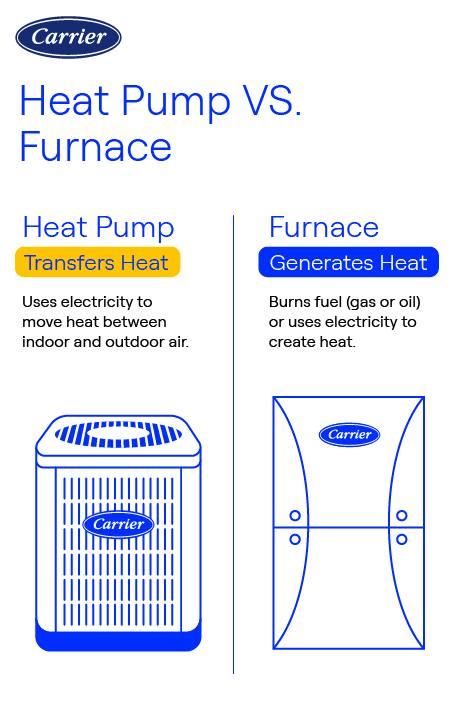
Credit: www.carrier.com
Frequently Asked Questions
Are Heat Pumps More Energy-efficient Than Air Conditioners?
Yes, heat pumps are generally more energy-efficient than air conditioners. They transfer heat rather than generate it, making them more efficient for both heating and cooling. This dual functionality often results in lower energy consumption and reduced utility bills, offering a cost-effective solution for temperature regulation in various climates.
Do Heat Pumps Work In Cold Climates?
Yes, modern heat pumps are designed to work efficiently in cold climates. Technological advancements, like variable-speed compressors, allow them to operate effectively even when temperatures drop. However, extremely low temperatures might require a supplementary heating source to maintain indoor comfort levels, ensuring optimal performance year-round.
How Do Heat Pumps Save Energy?
Heat pumps save energy by transferring heat rather than generating it. This process requires less electricity compared to traditional heating systems. During the summer, they efficiently remove heat from indoor spaces. In winter, they extract and transfer heat from the outside air, providing an energy-efficient solution for both heating and cooling.
What Are The Environmental Benefits Of Heat Pumps?
Heat pumps offer significant environmental benefits due to their energy efficiency. They reduce greenhouse gas emissions by consuming less electricity compared to conventional heating systems. Their ability to provide both heating and cooling in an efficient manner makes them an environmentally friendly choice, contributing to a reduction in overall energy consumption.
Conclusion
Heat pumps often use less energy than air conditioners. They cool and heat your home efficiently. This can lower your energy bills over time. Heat pumps work well in mild climates. Air conditioners may be better in very hot places.
Think about your local weather before choosing. Both systems have pros and cons. Choose the one that fits your needs best. Saving energy helps the planet too. Small changes can make a big difference.