Is your car’s air conditioner not cooling like it used to? You might think it’s time for a costly repair, but sometimes all it needs is a simple vacuum and recharge.
Knowing how to vacuum and charge your auto air conditioner can save you money and keep your car comfortable during hot days. In this guide, you’ll learn easy, step-by-step instructions to get your AC running like new again. Keep reading—you’ll be surprised how simple it can be to fix your car’s cooling system yourself.

Credit: www.reddit.com
Tools And Materials Needed
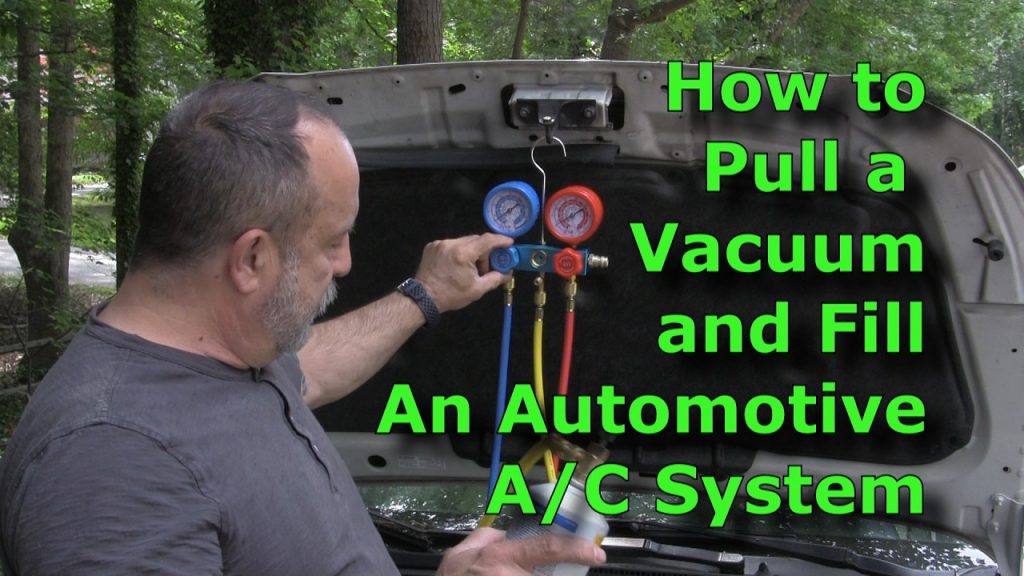
Essential equipment includes a vacuum pumpfor removing air and moisture. A manifold gauge sethelps check pressure levels. Use a refrigerant charging hoseto add refrigerant safely. Make sure the refrigerant matches your car’s specifications.
Safety gear is important. Wear protective glovesto avoid skin contact with refrigerant. Use safety gogglesto protect eyes from splashes. Work in a well-ventilated area to avoid inhaling fumes. Keep a fire extinguishernearby just in case.

Credit: www.youtube.com
Preparing The Vehicle
The AC systemis usually under the hood near the engine. The compressor, condenser, and evaporatorare key parts to find. The compressor looks like a small pump with belts. The condenser is like a small radiator at the front. The evaporator sits inside the car, often behind the dashboard.
Check the hoses and connections for any oil stainsor wet spots. These signs show where refrigerant might be leaking. Use a leak detectoror soapy water to find bubbles on joints. Small leaks can cause poor cooling and damage the system.
Vacuuming The Ac System
Start by attaching the vacuum pump to the AC system’s service port. Make sure the connection is tight and secure. This prevents air from entering during the vacuum process.
Turn on the vacuum pump and let it run for about 30 to 45 minutes. This removes moisture and air trapped inside the AC system. A clean system helps the air conditioner work better.
Watch the pressure gauge carefully. It should drop to a very low level, near zero. Keep the vacuum pump running until the pressure stays steady. This means the system is fully vacuumed and ready for charging.
Charging The Ac System
Choosing the right refrigerantis key to a well-functioning AC system. Use the type that matches your car’s model and year. Check the owner’s manual or the label under the hood for this information. Using the wrong refrigerant can damage the system.
Attach the recharge kit carefully. Connect the hose to the low-pressure valve on the AC system. Make sure the connections are tight to avoid leaks. The gauge will show the current pressure in the system.
Adding refrigerant safely means not overcharging the system. Slowly open the valve on the recharge kit to let the refrigerant flow. Watch the gauge closely. Stop adding when the pressure reaches the recommended level. Too much refrigerant can harm the AC system.
Testing The Air Conditioner
Checking cooling performancehelps ensure the air conditioner works well. Turn on the car and set the AC to the coldest setting. Feel the air coming from the vents. It should be cool and strong. If air feels warm or weak, there might be a problem in the system.
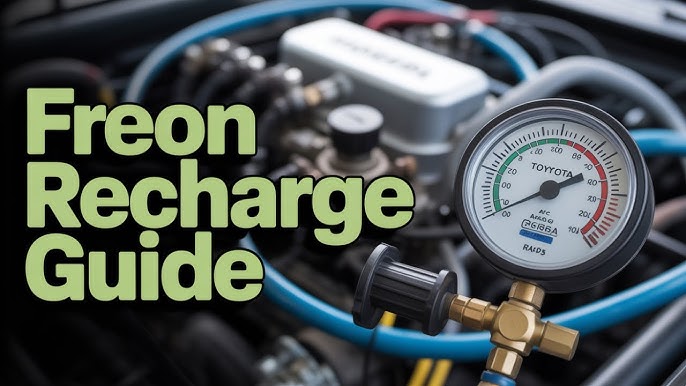
Verifying system pressureis key to finding leaks or low refrigerant levels. Use a pressure gauge connected to the AC service ports. Compare the readings to the car’s manual specs. Normal pressure means the system is healthy. Low or high pressure signals a need for repair or recharge.
- Check for unusual noises or smells during operation.
- Inspect hoses and connections for leaks or damage.
- Measure pressure under both low and high sides for accuracy.
Credit: www.youtube.com
Common Mistakes To Avoid
Overcharging the systemcan cause serious damage to your air conditioner. Too much refrigerant lowers cooling efficiency and may harm the compressor. Always follow the recommended charge amount from the car manual.
Ignoring leakswastes refrigerant and harms the environment. Leaks let air and moisture enter, which can damage the system. Check for leaks before charging to keep the system sealed and working well.
Skipping safety precautionsrisks injury and damage. Wear safety glasses and gloves to protect yourself. Work in a well-ventilated area to avoid breathing harmful fumes. Never smoke or use open flames near refrigerants.
Maintenance Tips For Longevity
Regular inspection helps find small problems early. Check hoses and connections for leaks. Look for worn or cracked parts. Tighten loose bolts and screws. Monitor refrigerant levels to keep cooling strong. Keep the system running smoothly by spotting issues fast.
Cleaning AC components keeps air fresh and system efficient. Remove dust and dirt from filters often. Clean condenser coils to improve heat exchange. Clear debris around the unit for better airflow. Wipe down vents to stop blockages. Clean parts last longer and work better.
Frequently Asked Questions
What Tools Are Needed For Vacuuming An Auto Ac?
To vacuum an auto AC, you’ll need a manifold gauge set, a vacuum pump, and a recovery machine. These tools help ensure the system is free of contaminants and moisture. Properly using these tools will enhance the efficiency and longevity of your car’s air conditioning system.
How Often Should I Vacuum My Car’s Ac?
Vacuuming your car’s AC should be done whenever it’s recharged or opened for repairs. Regular maintenance isn’t necessary unless there’s a specific issue. Keeping the system sealed and in good condition helps maintain optimal performance and efficiency.
Why Is Vacuuming An Ac System Important?
Vacuuming removes moisture and air from the AC system, preventing damage and inefficiency. Moisture can freeze and block refrigerant flow, while air can reduce cooling performance. Proper vacuuming ensures the system operates smoothly and prolongs its lifespan.
Can I Charge The Ac Without Vacuuming First?
Charging without vacuuming can lead to inefficient performance and potential damage. Moisture and air can cause blockages and reduce cooling efficiency. It’s crucial to vacuum first to ensure the system is free from contaminants for optimal operation.
Conclusion
Vacuuming and charging your car’s air conditioner keeps it cool and fresh. Follow each step carefully to avoid damage. Use the right tools and check for leaks. Regular maintenance helps your AC work better and last longer. Take your time, and do not rush.
A well-serviced AC makes driving more comfortable in hot weather. Stay safe and enjoy a cool ride every time.