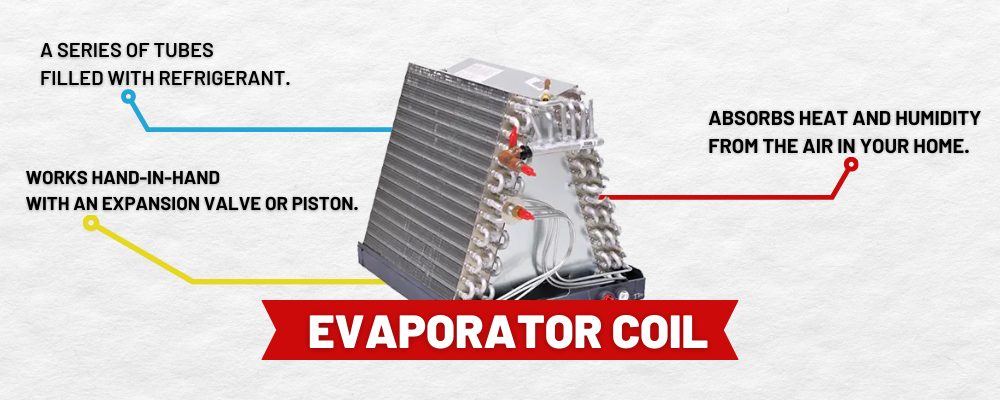
Have you ever wondered what makes your air conditioner cool the air so effectively? The secret lies in a small but powerful part called the evaporator coil.
Understanding what an evaporator coil is and how it works can help you take better care of your AC, save money on repairs, and stay comfortable all year long. You’ll discover exactly what an evaporator coil does, why it’s crucial for your air conditioner, and simple tips to keep it running smoothly.
Keep reading—you’ll be surprised how this tiny component plays a huge role in your home’s comfort.
Role Of The Evaporator Coil
The evaporator coilplays a key role in the air conditioner’s cooling process. It absorbs heat from the warm air inside a room. The coil holds a cold refrigerant that cools the air as it passes over the coil. This process lowers the room temperature.
Heat moves from the air to the refrigerant in the coil. The refrigerant changes from liquid to gas as it takes in heat. This is called the heat absorption mechanism. The cool air then flows back into the room, making it comfortable.
Without the evaporator coil, the air conditioner could not cool the air effectively. It helps keep homes and offices cool during hot days.

Credit: www.airworksnc.com
Types Of Evaporator Coils
The A-Coil designis shaped like the letter “A”. It fits inside many air handlers or furnaces. This coil cools the air by absorbing heat. It uses copper tubes and aluminum fins to move heat away quickly. The design allows easy airflow and good heat exchange.
The Slab Coil designis flat and rectangular. It is thicker than the A-Coil. This type fits well in tight spaces and is common in packaged units. It also uses copper tubes and aluminum fins. The slab coil is strong and easy to clean.
Materials And Construction
The evaporator coil in an air conditioner is mostly made from copperor aluminum. Copper is popular because it carries heat welland resists corrosion. Aluminum is lighter and costs less, but it can be less durable.
The coil has many thin tubes and fins. These parts help the coil absorb heatfrom the air. The tubes carry the refrigerant, while the fins increase the surface area for better cooling.
| Material | Advantages | Disadvantages |
|---|---|---|
| Copper | Excellent heat transfer, durable, corrosion-resistant | More expensive, heavier |
| Aluminum | Lightweight, affordable | Less durable, can corrode faster |
Durability depends on the material and protective coatings. Coatings help prevent rust and damage. Proper maintenance also helps the coil last longer. Dirt and debris can block airflow and reduce efficiency.
Signs Of A Failing Evaporator Coil
Reduced cooling efficiencyis a common sign of a failing evaporator coil. The air conditioner struggles to cool your home, and rooms stay warm. This happens because the coil cannot absorb heat properly.
Leaks and corrosionon the coil can cause refrigerant to escape. This weakens the cooling power and can damage the system. Look for oily spots or rust around the coil area.
Unusual noisessuch as hissing or bubbling sounds may come from the coil. These sounds often mean there is a refrigerant leak or blockages inside the coil. Strange noises should never be ignored.
- Lower cooling performance
- Oily or rusty spots on coil
- Hissing or bubbling noises
- Longer cooling cycles
Maintenance Tips
Regular cleaningkeeps the evaporator coil free of dust and dirt. Dust blocks airflow and reduces cooling power. Gently clean the coil with a soft brush or vacuum. Avoid using harsh chemicals that can damage the coil. Clean the coil at least once a year to keep it working well.
Professional inspectionshelp catch small problems early. Technicians check for leaks, corrosion, and blockages. They also test refrigerant levels to ensure the system runs smoothly. A yearly inspection can prevent costly repairs later.
- Preventing ice build-upis key for good cooling.
- Ice stops the coil from absorbing heat properly.
- Check airflow and refrigerant levels regularly.
- Fix leaks and clean air filters to avoid ice.

Credit: howardair.com
Replacing Vs Repairing
Replacing an evaporator coil costs more than repairing it. Repairing is cheaper but may not last long. Consider these points:
- Cost Considerations:Replacement can cost between $600 and $2,000. Repairs usually cost less than $500.
- When to Replace:Replace if the coil is old, leaking badly, or damaged beyond repair.
- Repair Options:Fix small leaks or clean dirty coils to improve function.
Replacing is better for long-term use. Repairing works if damage is small and recent. Always check the coil condition carefully.
Energy Efficiency Impact
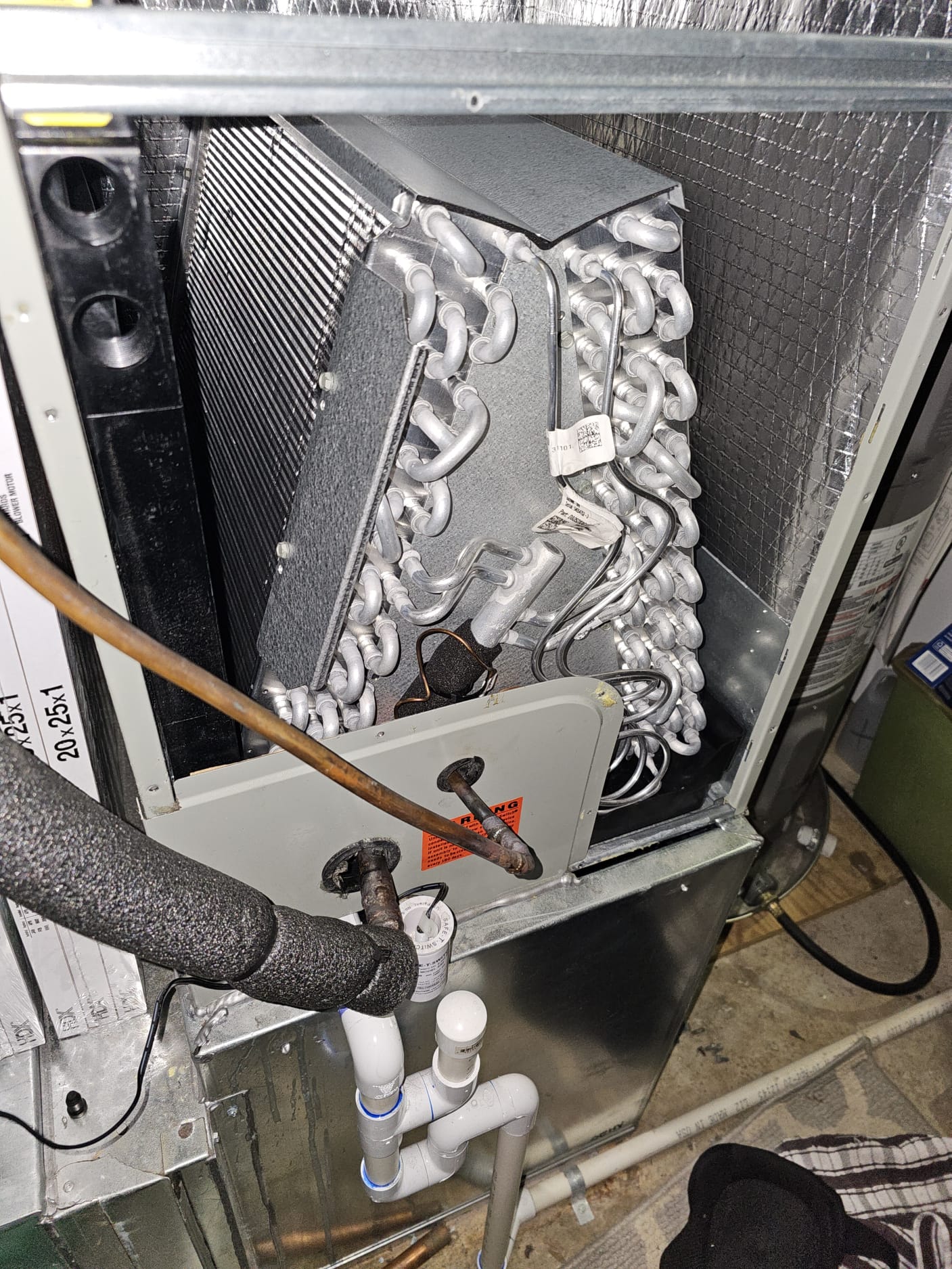
The evaporator coilplays a key role in HVAC system performance. It helps cool the air by absorbing heat from inside your home. If the coil is dirty or damaged, the system uses more energy to cool the air. This lowers efficiencyand raises utility bills.
Keeping the coil clean improves airflow and heat transfer. This makes the air conditioner work better and use less power. Regular maintenance extends the life of the HVAC system too.
- Clean coils reduce energy waste
- Better cooling comfort
- Less strain on the compressor
- Lower electricity bills
- Longer system lifespan
Credit: www.logan-inc.com
Frequently Asked Questions
What Does An Evaporator Coil Do In Ac?
An evaporator coil is crucial in cooling air. It absorbs heat from indoor air, allowing the refrigerant to convert into gas. This process cools the air, which is then circulated back into your home. The efficiency of your air conditioner greatly depends on a well-functioning evaporator coil.
How Can I Identify A Faulty Evaporator Coil?
Signs of a faulty evaporator coil include reduced cooling efficiency and unusual noises. You may also notice frozen coils or refrigerant leaks. If your air conditioner struggles to maintain the desired temperature, it might be time to inspect the evaporator coil.
How Often Should Evaporator Coils Be Cleaned?
Evaporator coils should be cleaned at least once a year. Regular cleaning ensures efficient cooling performance and prevents potential problems. Dirty coils can lead to increased energy consumption and reduced lifespan of the air conditioner.
Can A Dirty Coil Affect Ac Efficiency?
Yes, a dirty coil can affect AC efficiency. It restricts airflow, causing the system to work harder and consume more energy. This can lead to increased electricity bills and decreased cooling performance. Regular maintenance helps keep your air conditioner efficient.
Conclusion
An evaporator coil cools the air inside your home. It absorbs heat and removes moisture from the air. This process makes your indoor space comfortable and fresh. Proper care of the coil keeps your air conditioner working well. Clean coils help save energy and lower bills.
Knowing how it works helps you understand your AC better. Simple maintenance can prevent costly repairs later. Keep your evaporator coil clean for cool, healthy air.