How often should your air conditioner cycle? If you’ve ever wondered whether your AC is running too much or not enough, you’re not alone.
Understanding the right cycling frequency can save you money, keep your home comfortable, and extend the life of your unit. You’ll discover simple signs to watch for and easy tips to make sure your air conditioner is working just right—no more guessing, no more wasted energy.
Keep reading to find out how to get the most from your cooling system.
Ideal Cycle Duration
An air conditioner usually cycles on and off to keep the room cool. Ideal cycle durationdepends on many factors. Most AC units run for about 10 to 15 minuteseach cycle. This helps maintain a steady temperature without wasting energy.
Typical run timesvary by season and room size. In hot weather, AC may run longer. Smaller rooms may need shorter run times. Proper cycle length keeps air fresh and saves money.
Several factors affect cycle length:
- Room temperature and size
- Outdoor weather conditions
- Thermostat settings
- AC unit size and efficiency
- Insulation quality of the building
Impact Of Frequent Cycling
Frequent cyclingof an air conditioner can raise energy bills. Each start uses more power than steady running. This can lead to wasted electricityand higher costs.
Short cycles also cause more wear and tearon parts. The compressor and fan motor work harder and last shorter. This may lead to expensive repairsor early replacement.
| Impact | Details |
|---|---|
| Energy Consumption | More starts use more electricity, raising bills. |
| Wear and Tear | Frequent starts strain parts, causing damage faster. |
Effects Of Infrequent Cycling
Infrequent cyclingcauses poor humidity control. The air conditioner runs less often, so moisture stays in the air longer. This can make rooms feel damp and uncomfortable. High humidity also helps mold grow, which can harm health.
System efficiencydrops with infrequent cycling. The unit works harder during each run, using more energy. This puts stress on parts, which may lead to breakdowns. Short cycling can also cause uneven cooling, leaving some areas too cold or warm.
| Effect | Description |
|---|---|
| Humidity Control | Less frequent runs leave moisture in the air, causing dampness and mold growth. |
| System Efficiency | Harder work in each cycle uses more energy and wears parts faster. |

Credit: calfohomeservices.com
Seasonal Adjustments
During summer, air conditioners run more often to keep rooms cool. Set the thermostat between 75°F and 78°Ffor comfort and energy savings. Frequent cycling helps maintain a steady temperature. Avoid setting it too low; this can make the unit work harder and use more power.
Winter needs are different. Air conditioners usually run less or not at all. If your system has a heat pump, it may cycle to provide warmth. Adjust settings to a higher temperatureto reduce cycling and save energy. Regular maintenance ensures smooth operation across seasons.
Thermostat Settings And Their Role
The temperature rangeset on the thermostat affects how often the air conditioner cycles. A narrow range causes the AC to turn on and off more frequently. A wider range lets the AC run longer but less often, saving energy and reducing wear.
Smart thermostatsadjust settings based on your habits and the weather. They help keep the temperature steady and avoid too many cycles. Some smart models learn your schedule and change the temperature when you are away to save power.
- Set a comfortable temperature range between 72°F and 78°F.
- Smart thermostats reduce unnecessary cycling.
- Regular updates to settings improve efficiency.
Credit: minthome.com
Maintenance Tips To Optimize Cycling
Air conditioners should cycle on and off every 15 to 20 minutes for best efficiency. Frequent cycling may signal a problem with your system. Regular checks help keep your AC running smoothly and save energy.
Filter Cleaning
Clean air filters regularlyto help your AC run smoothly. Dirty filters block airflowand make the unit work harder. This can increase energy useand cause the AC to cycle too often. Replace or wash filters every 1-3 months. This keeps the air fresh and the system efficient.
Professional Inspections
Have a trained techniciancheck your AC at least once a year. They can find problemsbefore they get worse. A professional inspection ensures the system cycles properlyand stays in good shape. This helps save money and keeps your home cool.
Signs Of Cycling Problems
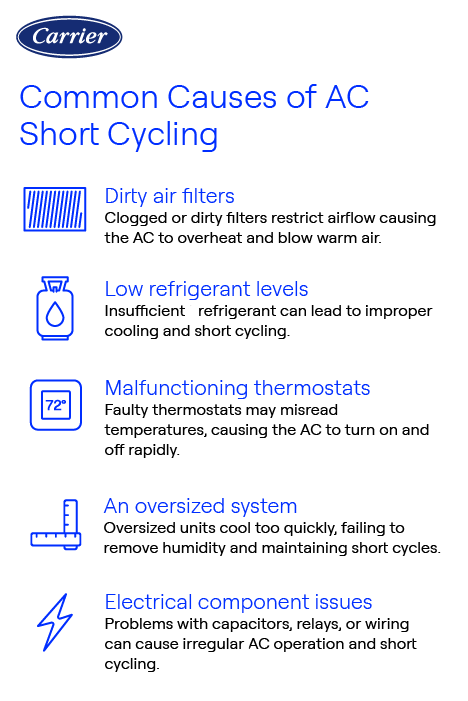
Short cyclingmeans the air conditioner turns on and off too often. This can cause higher energy billsand wear out partsfaster. Common signs include:
- The unit runs only for a few minutes then stops.
- The room never feels fully cool.
- Strange noises or frequent starts and stops.
Long cyclesmean the air conditioner runs for too long without stopping. This can cause frozen coilsor overheating. Watch for:
- The unit runs almost non-stop, even when it feels cool.
- Ice builds up on the outdoor or indoor unit.
- The system shuts down suddenly or makes loud noises.
Credit: www.carrier.com
Frequently Asked Questions
How Often Should An Air Conditioner Cycle Daily?
An air conditioner should cycle on and off about 4 to 6 times per hour. Proper cycling ensures efficiency and prevents wear. Too frequent cycling wastes energy and strains components, while too few cycles may not cool effectively.
What Affects Air Conditioner Cycling Frequency?
Factors like thermostat settings, outdoor temperature, and unit size affect cycling frequency. A well-sized AC cycles properly, balancing comfort and efficiency. Poor insulation or dirty filters can cause short cycling or extended run times.
Is Short Cycling Harmful To Air Conditioners?
Yes, short cycling can damage your air conditioner. It causes excessive wear, reduces efficiency, and increases energy costs. Address causes like refrigerant issues, dirty filters, or improper thermostat settings to prevent short cycling.
How To Tell If My Ac Cycles Too Often?
If your air conditioner turns on and off rapidly, often within a few minutes, it’s short cycling. This indicates possible problems like low refrigerant, clogged filters, or improper sizing. Regular maintenance can help identify and fix these issues.
Conclusion
Air conditioners should cycle often enough to keep rooms cool. Too many cycles can waste energy and wear out parts. Too few cycles can make your home uncomfortable. Aim for a balanced cycle time of 15 to 20 minutes. Regular maintenance helps your AC run smoothly and last longer.
Keep filters clean and check the system yearly. This keeps your air conditioner working well and saves money. Remember, proper cycling improves comfort and efficiency. Simple care makes a big difference in cooling your home.