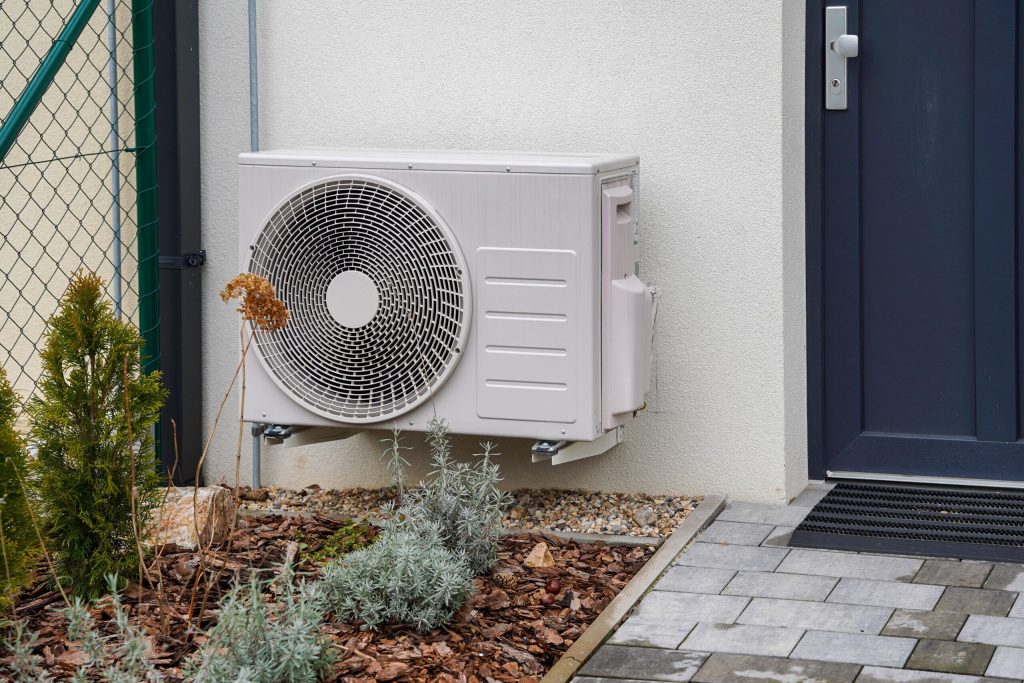
Have you ever wondered why your air conditioner sounds so loud, almost like it’s shouting at you instead of quietly cooling your space? That constant noise can be annoying and even stressful, especially when you just want to relax or focus.
Understanding why your air conditioner makes that noise can help you fix the problem and enjoy a peaceful, cool home. Keep reading to discover the real reasons behind the loud sounds and what you can do to bring back the quiet comfort you deserve.
Common Noise Sources
Compressor soundscome from the unit’s heart. It pumps refrigerant and cools the air. These sounds can be loud and low, like a humming or buzzing noise. If it’s too loud, it might need cleaning or repair.
Fan and motor noiseis common in air conditioners. The fan moves air through the unit. The motor powers the fan. If the fan blades are dirty or the motor is old, the noise gets louder.
Airflow vibrationshappen when air moves fast through vents. Loose parts or ducts can shake and rattle. This causes extra noise that can be annoying. Tightening or fixing these parts often helps.

Credit: davisheatingair.com
Mechanical Issues
Loud air conditioners often signal mechanical problems like loose parts or worn-out fans. Strange noises can mean the motor or compressor needs attention. Early checks help avoid bigger repairs and keep your AC running quietly.
Loose Components
Loose partsinside the air conditioner can cause loud noises. These parts may vibrate or hit each other. This makes the unit sound noisy and annoying.
Worn Bearings
Bearingshelp the fan spin smoothly. If they get old or worn out, the fan makes grinding or squealing sounds. This noise shows the fan is struggling to turn.
Damaged Fan Blades
Fan bladescan get bent or broken. This causes the fan to hit other parts inside. The air conditioner then produces loud banging or rattling noises.
Installation Problems
Improper mountingcauses the air conditioner to shake and make noise. If the unit is not fixed tightly, it vibrates loudly. This vibration creates annoying sounds that can disturb you.
Unbalanced unitsalso lead to noise. The fan or compressor inside the unit may be off-center. This causes uneven movement and loud sounds during operation.
Poor insulationallows sound to escape easily. Without good insulation, the noise from the air conditioner spreads throughout the room. Proper insulation helps keep the noise low and the environment quiet.
Environmental Factors
External obstructionslike walls, fences, or plants can make air conditioner sounds louder. These objects block sound waves and cause echoes. The noise seems stronger because it bounces back instead of fading away.
Nearby reflective surfacessuch as metal, glass, or concrete can also increase noise. These surfaces reflect sound waves directly toward your ears. This reflection can make the air conditioner noise feel sharper and more irritating.
Temperature and humidity change how sound travels. Hot air can carry sound farther. High humidity makes the air thicker, which can also boost sound levels. Both factors can make your air conditioner seem louder at different times of the day.
Maintenance Neglect
Dirty filtersblock airflow, causing the air conditioner to work harder. This makes the unit louder and less efficient. Regular cleaning or replacement helps keep noise down.
Clogged coilsreduce cooling ability. Dirt on coils forces the fan to run longer and louder. Cleaning the coils improves airflow and lowers noise levels.
Lack of lubricationin moving parts causes friction. This friction creates strange noises and can damage the system. Applying oil or grease to parts keeps the air conditioner running quietly.

Credit: www.totalair.com
Design And Model Differences
Older air conditioner modelsoften produce more noise. They use bigger, less efficient motors and fans. These parts work harder and louder. Newer models use advanced technologyand quieter parts. This makes them much quieterduring operation.
Energy efficiencyalso affects noise levels. Units with better energy ratings usually have better insulationand noise reduction features. Less energy waste means less noise from the compressor and fans.
| Size and Capacity | Noise Impact |
|---|---|
| Small units | Quieter but may work harder to cool large areas |
| Large units | Louder due to bigger compressors and fans |
| Proper size for room | Balanced noise and cooling efficiency |
Solutions To Reduce Noise
Regular maintenancekeeps your air conditioner running quietly. Clean or replace filters often to avoid noise from dirt buildup. Check fan blades and motors for wear and tear. Tighten any loose screws or parts. Lubricate moving parts to reduce friction sounds. Regularly cleaning the outdoor unit can stop rattling noises caused by debris.
Soundproofing can help reduce noise from your air conditioner. Use acoustic panelsor foam around the unit to absorb sound. Place a fence or barrier to block noise from reaching your home. Install vibration pads under the unit to stop shaking noises. Ensure the unit sits on a firm, level surface to avoid extra noise.
| Feature | Benefit |
|---|---|
| Variable speed motors | Run quieter at low speeds |
| Sound blankets | Reduce compressor noise |
| High-quality fans | Less vibration and noise |
| Modern design | Quieter operation overall |

Credit: www.reddit.com
Frequently Asked Questions
Why Is My Air Conditioner Making Noise?
Your air conditioner may be loud due to loose components or debris. Regular maintenance can prevent this. Worn-out parts or a failing compressor can also cause noise. Address these issues promptly to avoid further damage. Consider consulting a professional technician for a thorough inspection and repair.
How Can I Reduce Air Conditioner Noise?
To reduce noise, ensure your AC is on a stable surface. Check for loose parts and tighten them. Install sound barriers or insulation around the unit. Regular maintenance can also prevent noise. If the issue persists, consult a professional for further assistance.
Is A Noisy Air Conditioner Dangerous?
A noisy air conditioner isn’t usually dangerous but indicates potential issues. It could signify loose parts, debris, or a failing component. Ignoring the noise may lead to bigger problems. Addressing the issue promptly can prevent costly repairs and ensure your AC operates efficiently.
Can A Loud Ac Affect Sleep Quality?
Yes, a loud air conditioner can disrupt sleep quality. The noise can cause discomfort and interrupt rest. Consider soundproofing your bedroom or using earplugs. Regular maintenance can reduce noise levels. If the noise is unbearable, consult a technician to address the issue.
Conclusion
Air conditioners can be noisy for many reasons. Dirt, loose parts, or old age often cause loud sounds. Regular cleaning and maintenance help keep noise low. Choosing the right size unit also matters a lot. Quiet air conditioners improve comfort at home.
Understanding noise causes helps you find good solutions. Don’t ignore loud sounds; they may signal a problem. A peaceful home needs a calm, quiet air conditioner.