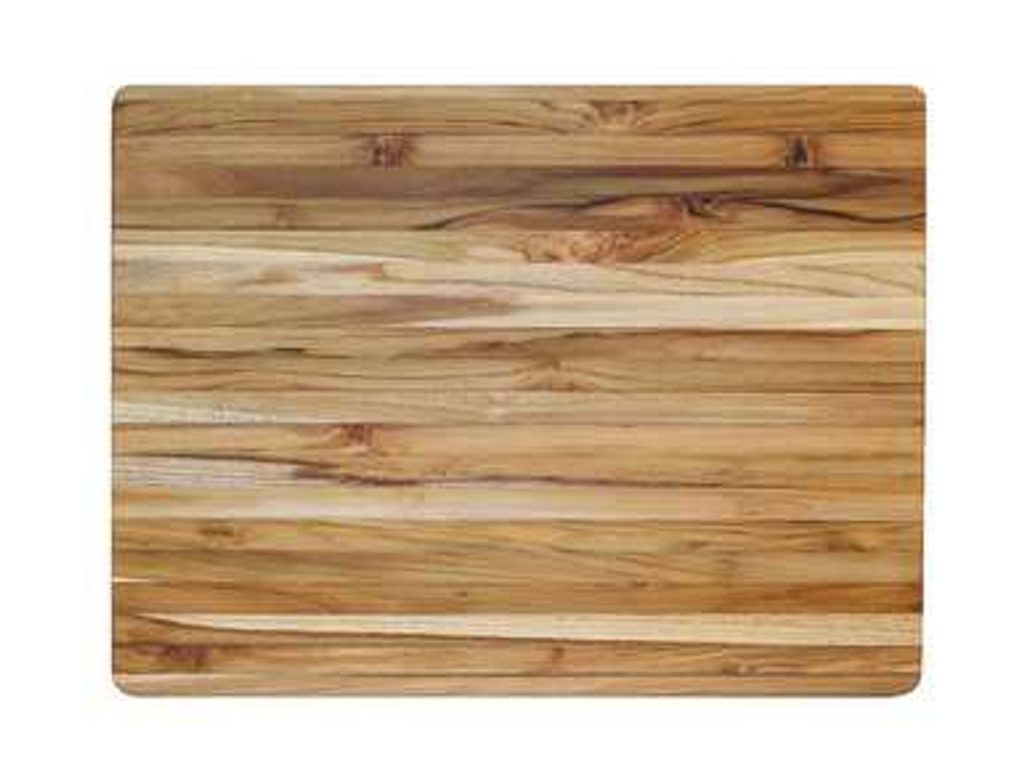
Are you looking for the perfect cutting board that lasts long and feels great in your kitchen? You might have heard about teak wood and wondered, “Is teak a good cutting board?” Choosing the right board is more than just picking a pretty piece of wood—it’s about your safety, your knives, and how easy it is to clean.
You’ll discover the surprising benefits and a few hidden drawbacks of teak cutting boards. By the end, you’ll know exactly if teak is the right choice for your cooking needs. Keep reading to find out!

Credit: www.amazon.com
Durability Of Teak Cutting Boards
Teak cutting boards are popular for their strength and lasting power. They offer good protection against damage from knives and daily use.
This durability comes from teak’s natural properties. It makes the boards tough and reliable for kitchen tasks.
Hardness And Strength
Teak wood is dense and hard, which means it can handle heavy chopping without getting damaged easily. Its strength helps prevent deep cuts and scratches.
- High Janka hardness rating around 1,070 lbf
- Resists dents from sharp knives
- Strong grain structure reduces splitting
Resistance To Moisture
Teak contains natural oils that repel water. This property keeps the wood from soaking up moisture and swelling.
| Wood Type | Water Resistance | Effect on Durability |
|---|---|---|
| Teak | High | Prevents warping and cracking |
| Maple | Medium | Can absorb water and swell |
| Bamboo | Low | More prone to splitting |
Longevity Compared To Other Woods
Teak cutting boards often last longer than boards made from softer woods. They keep their shape and surface quality even after years of use.
- Longer lifespan due to natural oils
- Less need for frequent replacement
- Maintains smooth cutting surface over time
Credit: leeknives.com
Safety Features Of Teak Boards
Teak cutting boards are popular for their strength and beauty. Safety is an important factor when choosing a cutting board.
Teak offers features that help keep your kitchen clean and safe. Let’s look at these safety benefits.
Natural Antimicrobial Properties
Teak wood contains natural oils that fight bacteria. These oils help prevent germs from growing on the board.
This makes teak boards safer for food preparation. They stay cleaner longer without extra chemicals.
Non-toxic Finish Options
Teak boards can be finished with safe, food-friendly oils. These finishes do not harm your food or health.
Common finishes include mineral oil and beeswax. They keep the wood protected without adding toxins.
- Mineral oil is odorless and tasteless
- Beeswax adds a natural protective layer
- Both finishes help prevent wood cracking
Impact On Knife Edges
Teak wood is firm but has some softness. This balance protects your knife edges from dulling quickly.
Using teak boards helps keep knives sharp longer. It reduces the need for frequent sharpening.
Styling With Teak Cutting Boards
Teak cutting boards add natural beauty to kitchens. Their warm tones and strong wood make them a popular choice.
Using teak boards can enhance your kitchen’s style. They blend well with many decor themes and last long.
Rich Color And Grain Patterns
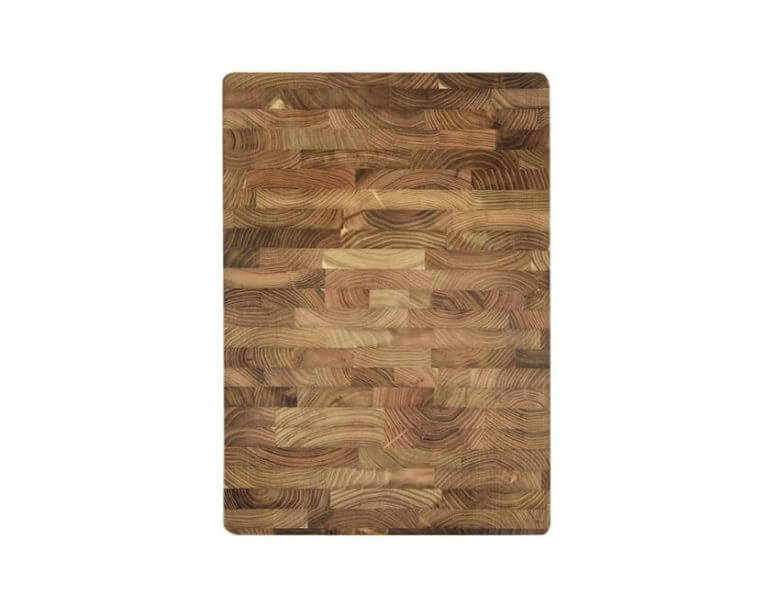
Teak wood has rich colors ranging from golden brown to deep amber. Each board shows unique grain patterns that add character.
- Golden hues brighten kitchen spaces
- Dark grains create natural texture
- Variations make each board one of a kind
Design Versatility
Teak boards fit many kitchen styles. Their classic look pairs well with modern, rustic, or traditional designs.
| Kitchen Style | Teak Board Look |
| Modern | Clean lines and smooth finish |
| Rustic | Natural grain and warm tones |
| Traditional | Rich color and solid wood feel |
Maintaining Appearance Over Time
Teak holds up well with regular care. It resists water and stains better than many woods, keeping its look longer.
Tips to keep teak cutting boards looking good:
- Clean with mild soap and water after use
- Oil the board monthly with mineral oil
- Avoid soaking or putting in the dishwasher
- Store in a dry place away from heat

Credit: www.amazon.com
Care And Maintenance Tips
Teak is a popular wood for cutting boards because it is strong and water-resistant. Proper care helps keep your teak cutting board in good shape. Follow simple steps to clean and protect it.
Taking care of your teak board will make it last longer and stay safe for food use. Use the tips below to keep it smooth and clean.
Cleaning Best Practices
Clean your teak cutting board after each use to avoid bacteria build-up. Use mild soap and warm water. Avoid soaking the board or putting it in the dishwasher.
- Wash with a soft sponge and mild dish soap
- Rinse with warm water immediately after washing
- Dry with a clean towel right away
- Do not soak or submerge in water
- Never put in a dishwasher or microwave
Oiling And Conditioning
Oiling your teak board keeps it from drying out and cracking. Use food-safe mineral oil or teak oil. Apply oil once a month or when the board looks dry.
| Oiling Step | Details |
| Apply Oil | Use a clean cloth to rub oil evenly on all surfaces |
| Let Absorb | Wait at least 2 hours or overnight for the oil to soak in |
| Remove Excess | Wipe off any extra oil with a dry cloth |
| Repeat | Oil regularly to maintain moisture and shine |
Avoiding Common Damages
Protect your teak board from damage by handling it carefully. Avoid cuts, stains, and warping to keep it looking good.
- Do not cut on the same spot repeatedly to prevent deep grooves
- Keep the board away from direct heat or sunlight
- Use both sides of the board to reduce wear
- Store in a dry place with good air flow
- Do not use harsh chemicals or bleach
Comparing Teak To Other Woods
Teak is a popular wood for cutting boards. It is known for its durability and water resistance. Comparing teak to other woods helps you choose the best cutting board for your kitchen.
Different woods have unique features like hardness, grain, and care needs. Let’s look at how teak compares to maple, bamboo, and walnut.
Maple Vs Teak
Maple is a hard, dense wood that resists scratches well. It has a smooth surface that is gentle on knives. Teak is also hard but has natural oils that help it resist water and stains.
Maple needs regular oiling to stay in good shape. Teak’s oils mean it needs less maintenance and stays durable longer. Both woods are safe for food contact.
- Maple is less oily but needs more care
- Teak resists water naturally
- Both are hard and knife-friendly
Bamboo Vs Teak
Bamboo is actually a grass but is very hard and eco-friendly. It is lighter than teak and can be more affordable. Bamboo cutting boards are less oily and can dry faster.
Teak has natural oils that protect it from water damage. Bamboo may absorb more water if not sealed well. Teak boards usually last longer with less cracking.
- Bamboo is lightweight and eco-friendly
- Teak naturally resists water and stains
- Bamboo needs sealing to avoid cracking
- Teak has a longer lifespan
Walnut Vs Teak
Walnut is a dark, soft hardwood that looks elegant. It is softer than teak and can show knife marks easier. Teak is harder and has natural oils that protect it from moisture.
Walnut needs regular oiling to prevent drying out. Teak requires less oil because of its natural oils. Both woods provide a safe cutting surface but teak may last longer under heavy use.
- Walnut is softer and shows scratches
- Teak is harder and more water-resistant
- Both need oiling, teak less often
- Walnut offers a rich, dark color
Frequently Asked Questions
Is Teak Durable For Cutting Boards?
Yes, teak is highly durable for cutting boards. Its natural oils make it resistant to moisture and bacteria. This durability ensures a long-lasting board that withstands regular use. Teak’s dense grain also prevents knife marks, maintaining its smooth surface over time.
It’s an excellent choice for a sustainable kitchen tool.
How Does Teak Compare To Other Woods?
Teak stands out among other woods for cutting boards due to its durability and natural oils. It resists water better than maple or bamboo. This quality helps prevent warping and cracking. Teak’s dense grain also minimizes knife marks. Overall, teak offers a superior blend of longevity and low maintenance.
Is Teak Safe For Food Preparation?
Yes, teak is safe for food preparation. Its natural oils have antibacterial properties, making it hygienic for kitchen use. The wood’s density prevents deep knife grooves, reducing bacteria buildup. Regular cleaning with mild soap and water keeps it sanitary. Teak is a safe, reliable choice for cutting boards.
Does Teak Require Special Maintenance?
Teak cutting boards require minimal maintenance. Regularly wash with mild soap and water. Occasionally, apply food-grade mineral oil to maintain the wood’s luster and prevent drying. Avoid soaking or dishwasher use to prevent damage. With these simple steps, a teak board remains in excellent condition for years.
Conclusion
Teak makes a strong and reliable cutting board choice. Its natural oils resist water and stains well. Teak boards last long and handle knives gently. They stay smooth and avoid cracking over time. Cleaning teak is simple and keeps it safe.
This wood balances durability and care easily. For a kitchen tool that works and looks good, teak fits perfectly. Choose teak for a cutting board that serves daily needs.