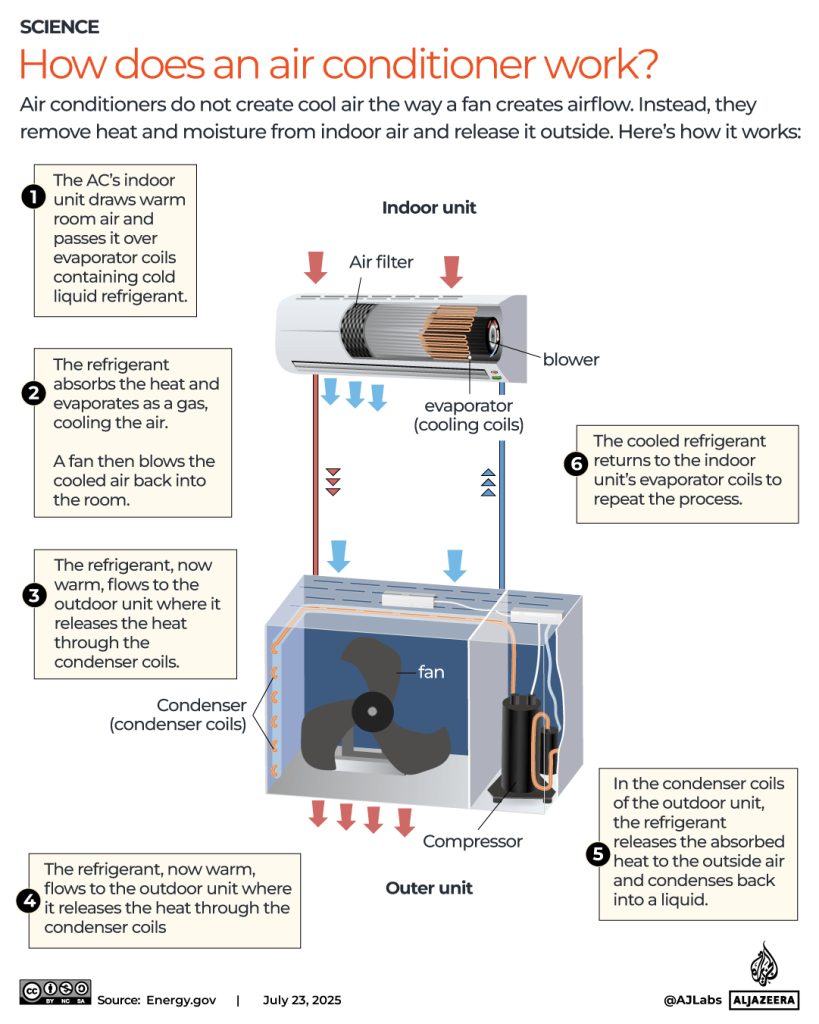
Have you ever wondered what makes your air conditioner cool the room so quickly? Understanding how an air conditioner works can help you appreciate the comfort it brings on hot days—and even help you maintain it better.
You’ll discover a simple, clear diagram that breaks down each part and shows exactly how they work together to keep your space cool. By the end, you’ll not only know how your AC functions but also feel more confident about troubleshooting common issues.
Let’s dive in and see what’s really happening behind the scenes of your air conditioner.
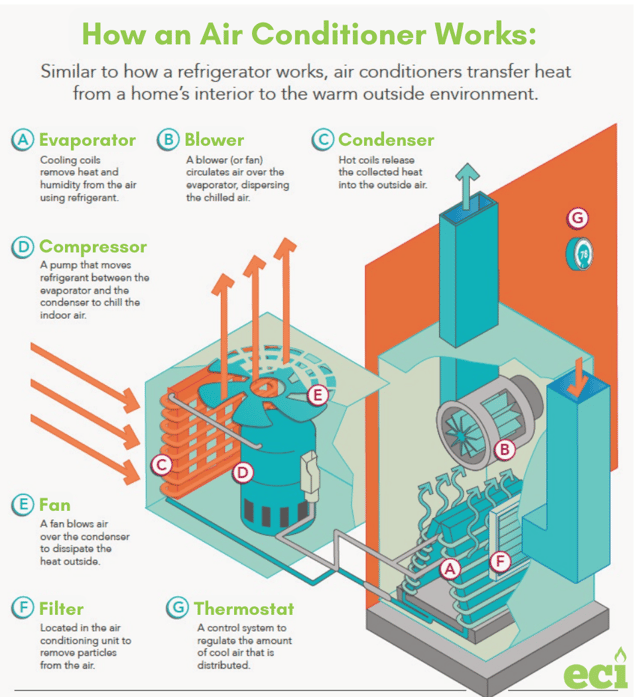
Credit: www.ecicomfort.com
Basic Components
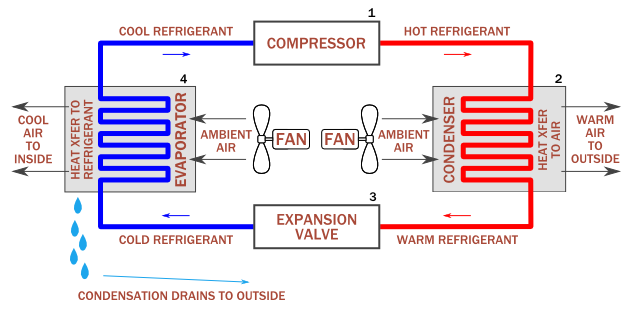
The compressorpumps the refrigerant and raises its pressure. It moves the refrigerant through the system like a heart pumps blood.
The condenser coillets heat escape from the refrigerant. It changes the hot gas into a cool liquid.
The expansion valvecontrols the flow of refrigerant. It lowers the refrigerant pressure, making it cold.
The evaporator coilabsorbs heat from the inside air. The refrigerant here turns back into gas by taking heat.
The refrigerantis a special fluid. It moves heat from inside to outside as it changes state.
Cooling Cycle
The compression processmakes the refrigerant hot and high-pressure.
A compressor squeezes the gas, raising its temperature.
During heat release, the hot gas cools down in the condenser.
The condenser moves heat from the refrigerant to outside air.
The expansion processlowers the pressure and temperature of the refrigerant.
The refrigerant passes through a valve that makes it cold and low-pressure.
In heat absorption, the cold refrigerant absorbs heat inside the room.
The refrigerant takes heat from indoor air, making the room cooler.
Airflow Path
Warm airfrom the room enters the air conditioner through a vent. A fan pullsthis air inside to start cooling it down.
The air passes over cold coilsfilled with refrigerant. This refrigerant absorbs heat from the air. As a result, the air becomes cool and dry.
A second fan pushes the cooled airback into the room through vents. This cycle helps keep the room comfortable and fresh.
Credit: medium.com
Energy Flow
Electrical power inputis the energy the air conditioner uses to run. It powers the compressor, fan, and other parts. This power helps move heat out of the room.
Heat transferhappens inside the air conditioner using a special fluid called refrigerant. The refrigerant absorbs heat from inside the room and releases it outside. This process cools the air inside.
Energy efficiencyshows how well the air conditioner uses electricity to cool the room. High efficiency means less electricity is needed for more cooling. This saves money and helps the environment.
Common Ac Types
Window unitsare small and fit into a window frame. They cool one room. Easy to install and cost less. Great for small spaces.
Split systemshave two parts: an indoor unit and an outdoor unit. The indoor unit cools the air. The outdoor unit sends heat outside. Quiet and energy-efficient.
Central air conditionerscool whole buildings. They use ducts to send cool air to all rooms. Best for large homes. More expensive but very effective.
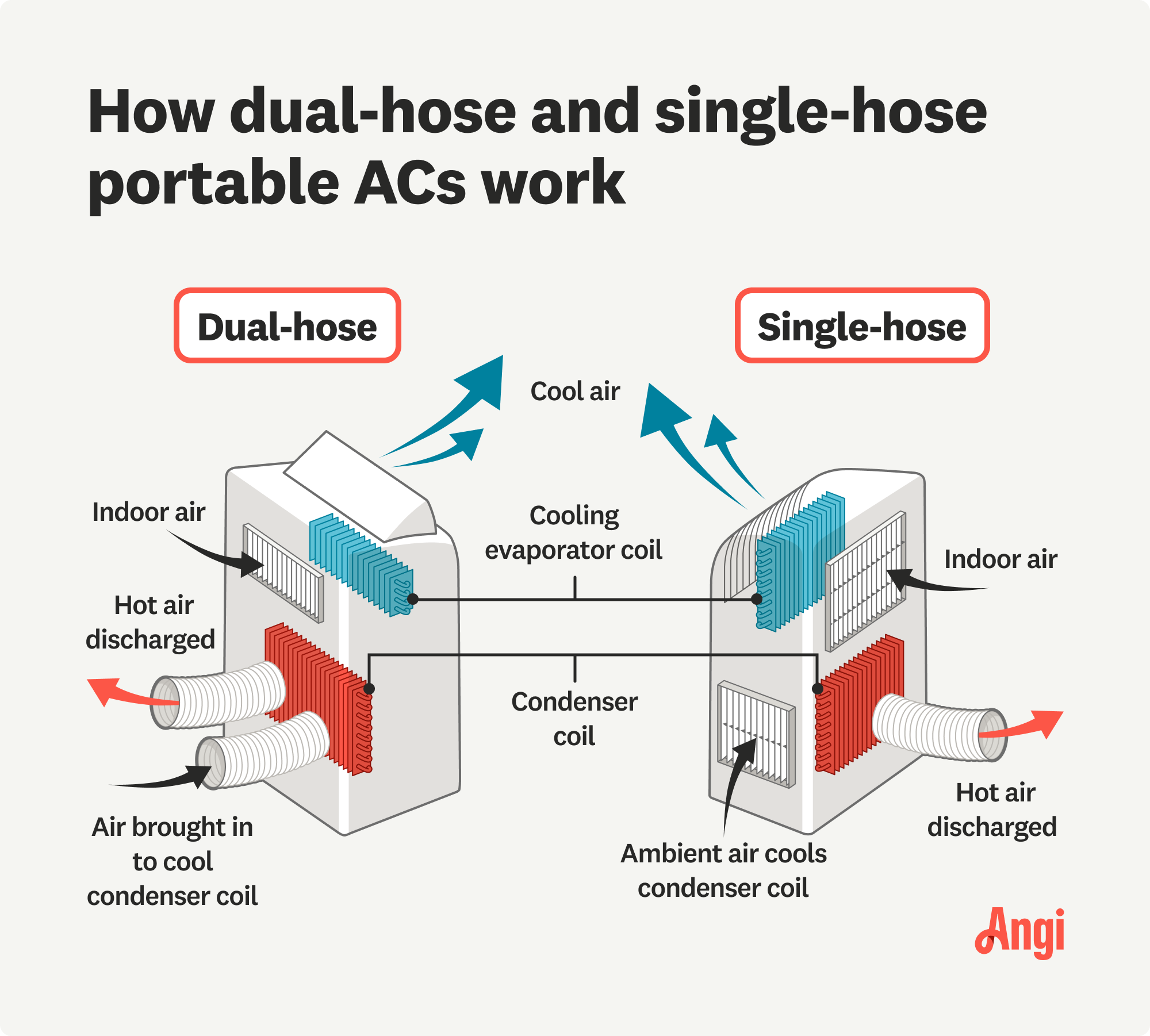
Credit: www.angi.com
Troubleshooting Tips
Common issuesinclude the AC not cooling well, strange noises, or water leaks. Dirt and dust can block filters and coils, reducing efficiency. Check if the thermostat is set correctly and if the power is on. Sometimes, a simple reset can fix minor problems.
Maintenance basicshelp keep the AC working smoothly. Clean or replace filters every 1-2 months. Clear debris around the outdoor unit. Make sure vents and ducts are open and clean. Regular maintenance improves air quality and saves energy.
When to call a professional: Strange smells, continuous water leaks, or the unit not turning on need expert help. If noises are loud or unusual, a technician should check for loose parts. Electrical issues or refrigerant leaks require trained service to avoid harm or damage.
Frequently Asked Questions
How Does An Air Conditioner Cool A Room?
An air conditioner removes heat from indoor air using a refrigerant cycle. It absorbs heat inside and releases it outside, lowering room temperature effectively.
What Are The Main Parts Of An Air Conditioner?
The main parts include the compressor, condenser, expansion valve, and evaporator coil. These components work together to circulate refrigerant and cool the air.
How Does The Refrigerant Flow In An Ac System?
Refrigerant flows from the compressor to the condenser, then through the expansion valve, and finally to the evaporator. This cycle absorbs heat inside and releases it outside.
Why Is The Evaporator Coil Important In Ac?
The evaporator coil absorbs heat from indoor air, cooling it. It allows refrigerant to evaporate and remove heat efficiently from the room.
Conclusion
Understanding how an air conditioner works helps you use it better. The diagram shows the key parts and their roles clearly. Cool air comes from the cycle of cooling and heating inside the unit. Knowing this can help you spot problems early.
It also helps in saving energy and money. A simple look at the diagram makes the process easy to follow. Now, you can appreciate how your AC keeps your home comfortable.