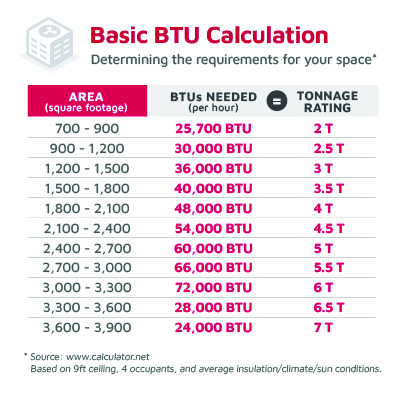
Have you ever wondered what those numbers on an air conditioner’s label really mean? If you’ve seen “BTU” and felt a bit lost, you’re not alone.
Understanding what air conditioner BTU means can make a huge difference when choosing the right unit for your space. It’s not just a random number—it’s the key to keeping your room perfectly cool without wasting energy or money. Keep reading, and you’ll discover how this simple term can help you stay comfortable all year round.
Credit: www.carrier.com
Btu Basics
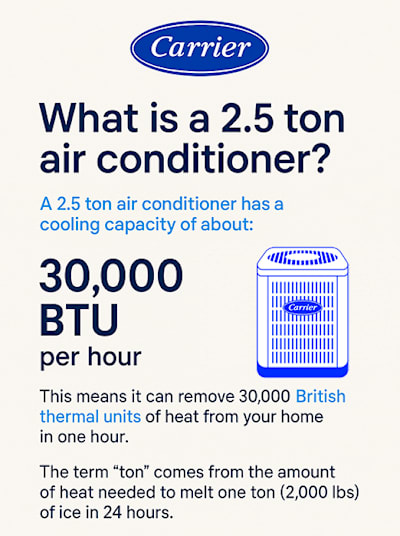
BTUstands for British Thermal Unit. It measures the amount of heat energy. In air conditioners, it shows how much heat the unit can remove from a room.
The higher the BTU number, the more cooling power the air conditioner has. For example, a 5,000 BTU unit cools a small room, while a 12,000 BTU unit cools a larger space.
BTU helps choose the right air conditioner size. Too low BTU means the room won’t cool well. Too high BTU wastes energy and can make the room too cold.
Why Btu Matters
BTUstands for British Thermal Unit. It measures how much heat an air conditioner can remove from a room in one hour. The higher the BTU, the stronger the cooling power.
Choosing the right BTU depends on the size of your room. A small room needs fewer BTUs, while a large room needs more. This keeps the room cool and saves energy.
| Room Size (sq. ft.) | Recommended BTU |
|---|---|
| 100 – 300 | 5,000 – 6,000 |
| 300 – 500 | 7,000 – 8,000 |
| 500 – 800 | 10,000 – 12,000 |
| 800 – 1,200 | 14,000 – 18,000 |
Wrong BTU sizecauses problems. Too low BTU means the air conditioner works too hard and can’t cool well. Too high BTU cools too fast but makes the room damp and wastes energy.
Calculating Btu Needs
To calculate BTU needs, first measure the room size. Multiply the length by width to get square feet. Rooms with better insulationneed fewer BTUs. Poor insulation means more cooling power is required.
Other sources of heat also affect BTU needs. Appliances, sunlight, and people add heat. More heat means a higher BTU rating is necessary.
| Factor | Effect on BTU |
|---|---|
| Room Size | Larger rooms need more BTUs |
| Insulation Quality | Better insulation lowers BTU needs |
| Heat from Appliances | Increases BTU requirements |
| Sunlight | More sunlight means more BTUs |
| Number of People | More people add heat, raising BTU |

Credit: newway.sg
Btu And Energy Efficiency
Btumeans British Thermal Unit. It measures how much heat an air conditioner can remove. The higher the Btu, the more cooling power the unit has.
Power consumptionshows how much energy the air conditioner uses. Sometimes, units with high Btu use more power. But some use energy smartly.
| Btu | Power Consumption (Watts) | Energy Efficiency |
|---|---|---|
| 5000 | 450 | Good for small rooms |
| 12000 | 1150 | Best for medium rooms |
| 18000 | 1600 | For large rooms |
- Choose a unit that fits your room size.
- Look for energy labels to save power.
- High Btu is not always the best choice.
Common Btu Myths
Higher BTUdoes not always mean better cooling. Too much BTU can make a room cold and uncomfortable. It also wastes energy and increases bills. Too few BTUs won’t cool the room well, causing the AC to run all day.
Choosing the right BTU depends on room size and insulation quality. Bigger rooms need more BTUs; smaller rooms need less.
Climate plays a big rolein BTU needs. Hot and humid areas require AC units with higher BTUs. Cooler climates need less powerful units.
Ignoring climate can lead to poor coolingor high energy costs. Always consider local weather before buying an AC.
Credit: www.herzindagi.com
Tips For Btu Selection
Consulting professionalshelps choose the right BTU for your space. Experts measure room size, ceiling height, and sunlight. They suggest BTU that fits your needs perfectly. This avoids buying too big or small units.
Considering future needsmeans thinking about changes in your space. Will the room get bigger? More people using the AC? These factors increase cooling needs. It is smart to pick a slightly higher BTU for growth.
Frequently Asked Questions
What Does Btu Mean In Air Conditioners?
BTU stands for British Thermal Unit. It measures how much heat an AC can remove from a room per hour. Higher BTU means more cooling power.
How To Choose The Right Btu For My Room?
Match BTU to your room size. Small rooms need 5,000-8,000 BTU. Larger rooms require 10,000-14,000 BTU for effective cooling.
Why Is Btu Important For Ac Efficiency?
BTU affects cooling speed and energy use. The right BTU prevents overworking your AC and saves electricity bills.
Can A Higher Btu Damage My Room’s Comfort?
Yes, too high BTU cools quickly but causes humidity issues. Proper BTU maintains balanced temperature and comfort.
Conclusion
Understanding air conditioner BTU helps you pick the right unit. BTU shows how much heat the AC can remove. A proper BTU ensures your room cools well and saves energy. Too low or high BTU causes discomfort and higher bills.
Check room size and BTU ratings before buying. This simple step makes your cooling efficient and cost-effective. Now, you know what air conditioner BTU means. Choose wisely for a cooler, comfortable home.