Have you ever wondered if your air conditioner does more than just cool the air? You might feel less sticky on hot days and think it’s just the cold air working.
But what if your AC is also removing moisture from your room? Understanding whether your air conditioner dehumidifies can help you stay comfortable and save energy. Keep reading to discover how your AC affects humidity and what that means for your home.
How Air Conditioners Affect Humidity
Air conditioners cool the air by pulling warm air inside. The air passes over cold coils. This cools the air and removes heat.
Cold coils also cause moisture in the air to turn into water droplets. This water collects and drains away. So, air conditioners remove some humidityfrom the air while cooling.
This process is called dehumidification. It helps make the room feel cooler and more comfortable.
| Step | Action | Effect |
|---|---|---|
| 1 | Warm air enters the AC unit | Heat is absorbed by cold coils |
| 2 | Air cools down | Moisture condenses into water droplets |
| 3 | Water drains away | Air becomes less humid |
| 4 | Cool, drier air returns to room | Room feels cooler and more comfortable |
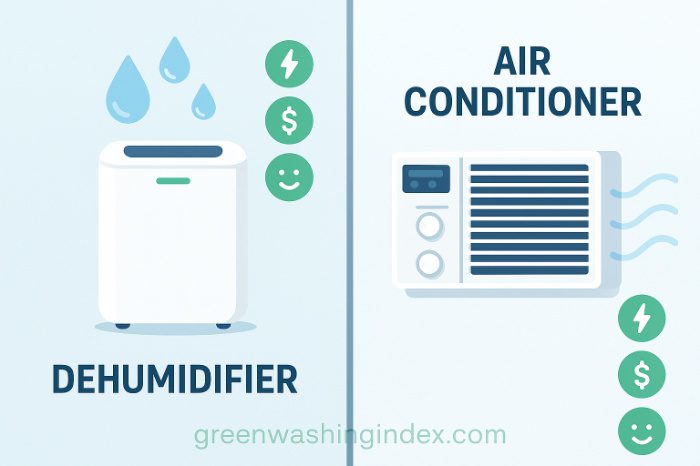
Credit: www.greenwashingindex.com
Dehumidification Vs Cooling
An air conditioner’s primary functionis to cool indoor air. It does this by removing heat and blowing cooler air inside. Along with cooling, AC units also remove some moisturefrom the air. This happens because warm air passes over cold coils, causing water to condense and drain away.
AC units reduce humiditybut are not designed mainly for dehumidifying. They work best in warm, humid conditions where cooling is needed. In less warm weather, their moisture removal is less effective.
| Function | Effectiveness |
|---|---|
| Cooling | High– Main job of AC units |
| Moisture Reduction | Moderate – Happens during cooling process |
Types Of Air Conditioners And Dehumidification
Central air conditionerscool large spaces and reduce humidity by removing moisture from the air. They circulate air through ducts, making homes comfortable and dry.
Window unitsfit into windows and cool single rooms. They also dehumidify by pulling moisture from the room air as they cool.
Portable ACscan be moved from room to room. They remove moisture but are less effective than central or window units.
Dehumidifier-integrated modelscombine cooling and moisture removal. These units are designed to keep air dry and cool at the same time.

Credit: www.nytimes.com
When Air Conditioners Fail To Dehumidify
Air conditioners remove moisture from the air while cooling. Sometimes, they may fail to dehumidify due to dirty filters or low refrigerant. Proper maintenance keeps your space dry and comfortable.
Common Causes
Dirty air filtersblock airflow. This stops moisture removal. Low refrigerant levelsreduce cooling power and humidity control. Incorrect thermostat settingsaffect humidity control. Blocked or damaged drain linescause water buildup inside. These issues stop air conditioners from working properly.
Maintenance Tips
- Clean or replace air filters regularly.
- Check refrigerant levels with a professional.
- Set thermostat to proper cooling mode.
- Clear drain lines to prevent clogs.
- Schedule routine service for your air conditioner.
Alternatives To Air Conditioners For Dehumidifying
Standalone dehumidifiersare devices made to remove moisture from the air. They work well in damp rooms and basements. These machines collect water in a tank that you can empty. Dehumidifiers help prevent mold and dust mites, making homes healthier. They are easy to use and come in many sizes. Some models have a built-in humidistat to control humidity levels automatically.
Natural humidity control methodsinclude simple steps to reduce moisture. Ventilating your home by opening windows helps air flow. Using exhaust fans in kitchens and bathrooms removes wet air. Houseplants like peace lilies can absorb moisture. Keeping doors between rooms open also improves air circulation. These natural ways can help lower humidity without electricity.

Credit: www.duracomfort-life.com
Energy Efficiency And Dehumidification
Air conditionersremove moisture by cooling air below its dew point. This process naturally dehumidifiesthe space. But it can affect energy consumption. More moisture means the unit works harder, using more electricity.
Balancing coolingand moisture controlhelps save energy. Running the AC too much wastes power. Setting the temperature just right keeps the room comfy and dry without extra energy use.
- Lower humidity makes the air feel cooler.
- High humidity forces the AC to run longer.
- Using a dehumidifierseparately can reduce AC load.
- Regular maintenance keeps the system efficient.
Frequently Asked Questions
Can An Air Conditioner Act As A Dehumidifier?
Yes, an air conditioner can act as a dehumidifier. It removes moisture from the air as it cools. This process helps in reducing indoor humidity levels. However, for more effective dehumidification, a dedicated dehumidifier is recommended.
How Does An Ac Remove Humidity?
An air conditioner removes humidity by cooling the air. As the air cools, moisture condenses on the coils and drains away. This process lowers the humidity levels inside the room, providing a more comfortable environment.
Is Dehumidification Energy Efficient In Acs?
Dehumidification in ACs is less energy efficient compared to dedicated dehumidifiers. Air conditioners primarily focus on cooling. While dehumidifying, they consume more energy. Using a dehumidifier can be more energy-efficient for reducing humidity.
Does Every Air Conditioner Dehumidify?
Yes, every air conditioner has some dehumidifying capability. However, the efficiency varies among different models and types. Some modern air conditioners have enhanced dehumidification features, which improve their ability to reduce indoor humidity.
Conclusion
Air conditioners help reduce indoor humidity by removing moisture from the air. This makes rooms feel cooler and more comfortable. While they do dehumidify, they are not designed to replace dedicated dehumidifiers. Regular use of an air conditioner can lower humidity but may not solve severe dampness.
Understanding how your unit works helps you manage indoor air better. Choose the right appliance based on your needs for the best results. Simple care and use keep your space fresh and dry.