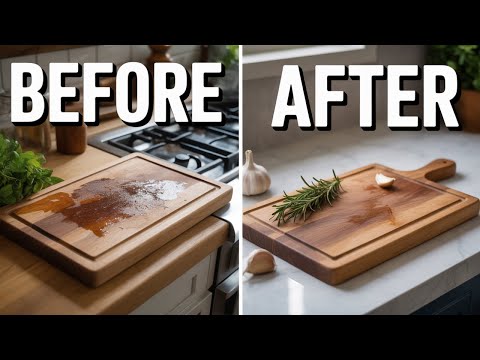
Your wood cutting board is a kitchen essential, but did you know it can harbor harmful bacteria if not cleaned properly? Keeping it disinfected is key to protecting your health and ensuring your food stays safe.
You might think washing with soap is enough, but there’s a simple, effective way to make sure your board is truly clean. Stick with me, and I’ll show you easy steps to disinfect your wood cutting board like a pro—so you can cook with confidence every time.
Choosing The Right Cleaner
Keeping your wood cutting board clean is important for safety. Choosing the right cleaner helps remove germs and keep the wood in good shape.
Not all cleaners work well on wood. Some can damage the surface or leave harmful residues. Learn about safe options below.
Natural Options
Natural cleaners are gentle and safe for wood. They kill germs without harsh chemicals. You can find these at home easily.
- White vinegar: Use diluted vinegar to wipe the board. It kills bacteria and odors.
- Lemon juice: Rub lemon on the surface to disinfect and remove stains.
- Baking soda paste: Mix baking soda with water to scrub the board gently.
- Salt: Use coarse salt with lemon to clean and deodorize the wood.
Commercial Disinfectants
Some commercial products are safe for wood cutting boards. They kill germs fast but need careful use. Check labels to avoid damage.
| Disinfectant Type | Safe for Wood | Notes |
| Food-safe bleach solution | Yes | Use diluted and rinse well |
| Hydrogen peroxide (3%) | Yes | Effective and breaks down safely |
| Quaternary ammonium compounds | Sometimes | Check product label for wood use |
| Oven cleaner | No | Too harsh, avoid on wood |
Avoiding Harsh Chemicals
Harsh chemicals can ruin wood boards. They dry out or crack the wood. Avoid cleaners with these ingredients.
- Chlorine bleach (undiluted)
- Ammonia-based cleaners
- Oven or drain cleaners
- Products with strong fragrances or dyes

Credit: homewithgraceandjoy.com
Preparing The Board
Cleaning your wood cutting board before disinfecting is important. It removes dirt and food bits that can hide germs.
Taking time to prepare the board helps keep it safe for your next use.
Removing Food Residue
Start by scraping off leftover food with a bench scraper or spatula. This clears big pieces from the surface.
Wash the board with hot water and mild soap. Use a sponge or brush to scrub gently. Rinse well to remove all soap.
- Use a plastic scraper to avoid damage
- Wash with warm water and dish soap
- Rinse thoroughly to remove soap
Drying Before Disinfection
Dry the board completely before disinfecting. Wet wood holds germs and stops disinfectants from working well.
Use a clean towel to wipe off water. Let the board air dry standing up if possible. This helps both sides dry fast.
- Pat dry with a clean cloth
- Stand board on edge for air drying
- Make sure board is fully dry before next step
Disinfection Techniques
Wood cutting boards need regular cleaning to stay safe and free from germs. Disinfecting helps kill bacteria and keeps food safe.
There are simple ways to disinfect wood cutting boards using items you may already have at home.
Using Vinegar And Lemon
Vinegar is a natural disinfectant that kills many germs. Lemon adds extra cleaning power and a fresh smell.
Spray white vinegar on the board and let it sit for a few minutes. Then rub a lemon half over the surface to clean and freshen.
- Vinegar kills bacteria naturally
- Lemon removes stains and odors
- Both are safe for wood surfaces
Applying Hydrogen Peroxide
Hydrogen peroxide is a safe disinfectant that kills bacteria and viruses. Use 3% hydrogen peroxide for cleaning.
Pour it on the cutting board and spread evenly. Let it sit for a few minutes before wiping off with a clean cloth.
- Use fresh 3% hydrogen peroxide
- Let it work for 5 minutes
- Wipe with a clean cloth after
Salt And Baking Soda Scrub
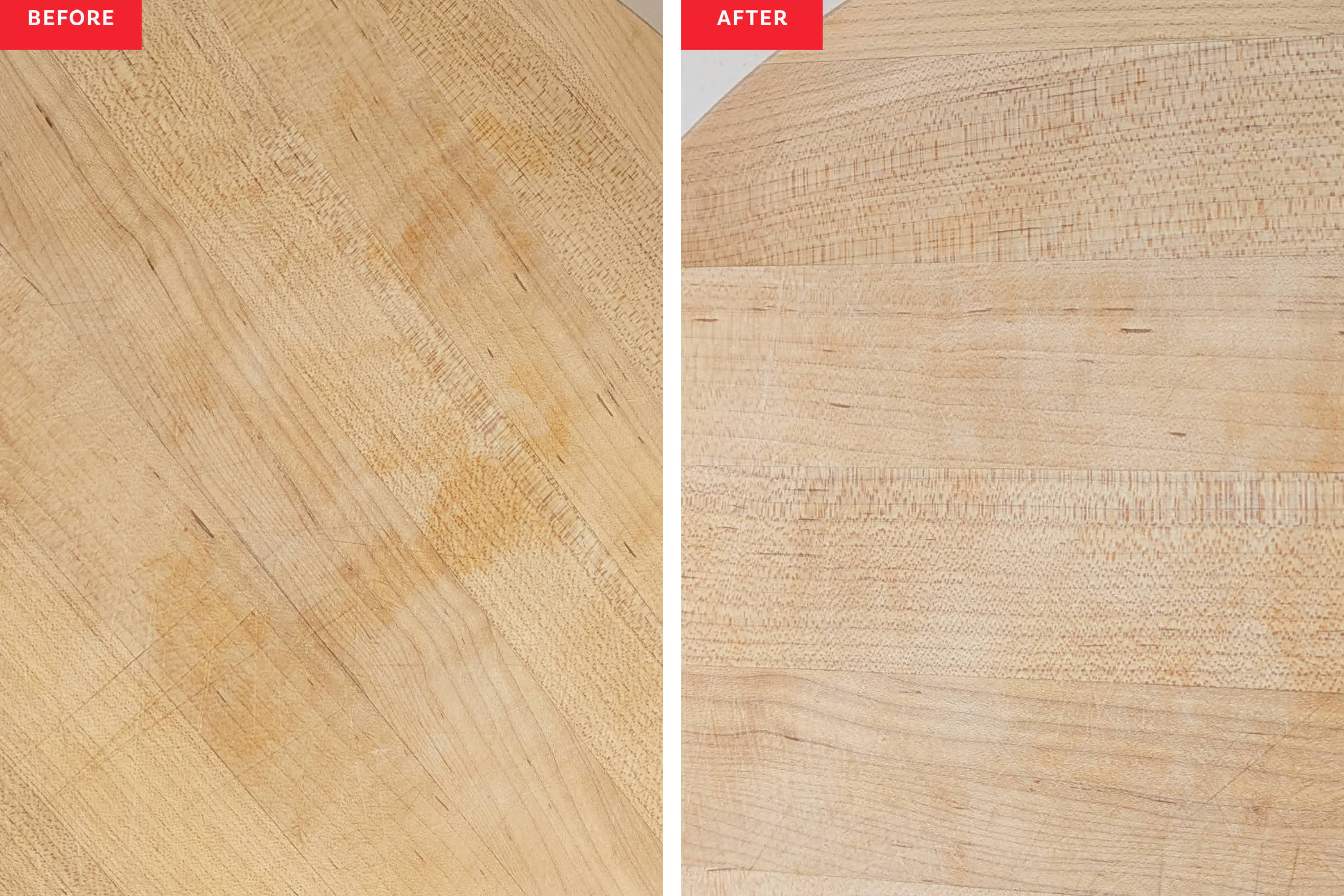
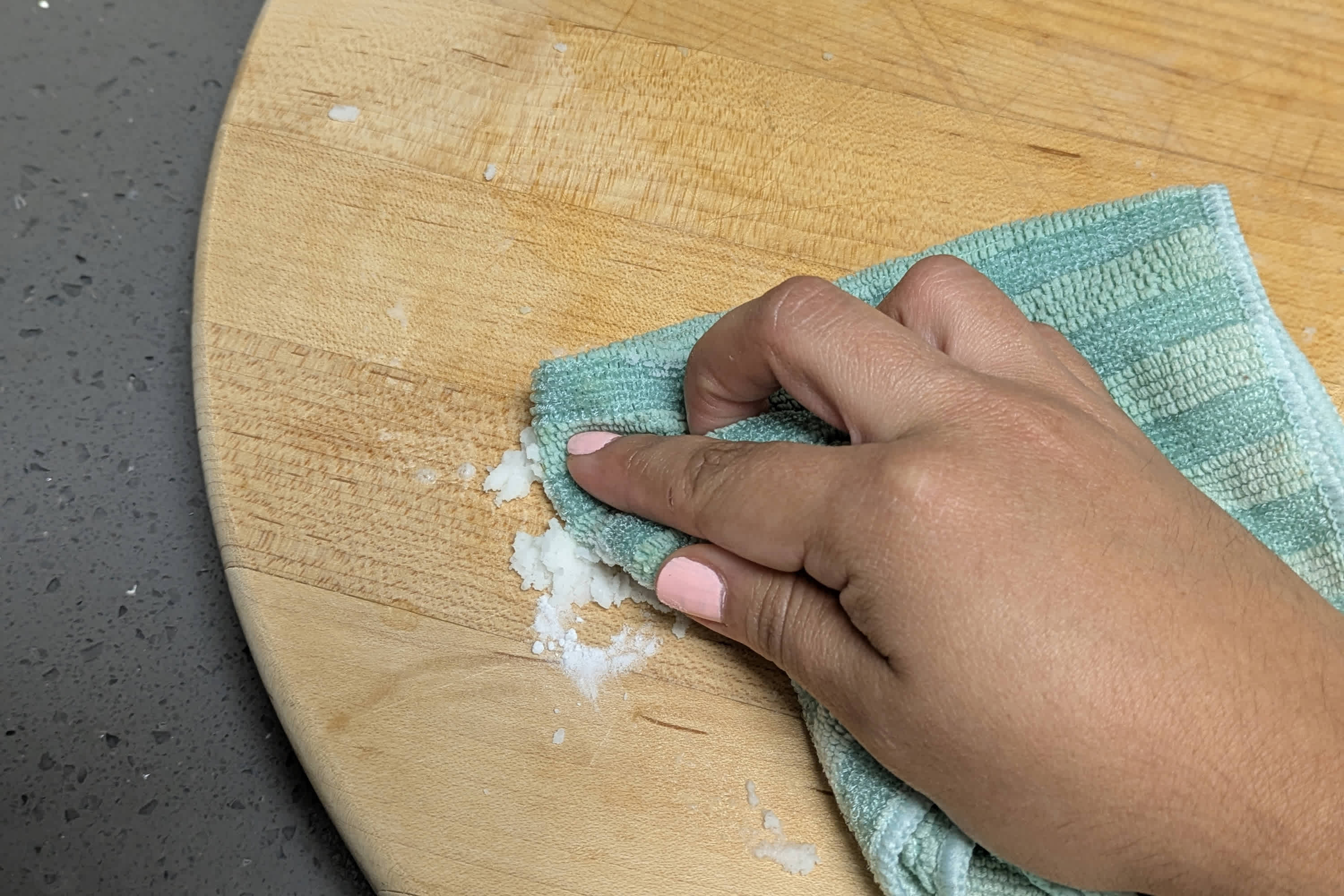
Salt and baking soda create a rough scrub that helps remove dirt and bacteria. This mix also deodorizes the board.
Sprinkle salt and baking soda on the board. Use a lemon half or a damp cloth to scrub the surface well. Rinse with warm water.
- Salt scrubs away food particles
- Baking soda kills odors
- Use lemon or cloth for scrubbing
- Rinse well to remove residue
Bleach Solution Method
Bleach is a strong disinfectant that kills almost all germs. Use a diluted bleach solution to avoid damaging wood.
Mix one tablespoon of bleach with one gallon of water. Apply the solution to the board and let it sit for a few minutes. Rinse thoroughly with water.
- Use 1 tablespoon bleach per gallon water
- Let sit for 2–3 minutes
- Rinse well with water
- Dry completely before use
Credit: www.thekitchn.com
Rinsing And Drying
Cleaning a wood cutting board keeps it safe and fresh. Rinsing and drying are key steps to disinfect it well.
Proper rinsing removes food bits and bacteria. Drying prevents water damage and germs from growing.
Proper Water Rinse
Use warm water to rinse the board after use. Wash away all food particles and soap residue.
Do not soak the board in water. Excess water can damage the wood and cause cracks.
- Rinse under running warm water for 20-30 seconds
- Use a brush or sponge to scrub lightly
- Remove all visible food debris
- Avoid letting the board sit in water
Air Drying Tips
Dry the board in a well-ventilated area. Air drying stops moisture from staying inside the wood.
Place the board upright or on its side. This helps both sides dry evenly and faster.
- Keep the board away from direct sunlight
- Use a drying rack or stand if possible
- Allow at least several hours to dry fully
- Do not put the board in a dishwasher to dry
Maintaining Board Hygiene
Keeping your wood cutting board clean is key to safe cooking. Proper care stops bacteria from growing. This guide shares easy ways to disinfect and maintain your board.
Regular cleaning, oiling, and avoiding cross-contamination help your board last longer and stay safe for food use.
Regular Cleaning Schedule
Clean your wood board after every use. Wash it with hot, soapy water. Rinse well and dry with a clean towel. Avoid soaking the board in water.
- Scrape off food bits immediately.
- Use a sponge and mild dish soap to scrub the surface.
- Rinse with hot water to remove soap and debris.
- Dry the board standing up to air dry fully.
Oiling The Board
Oiling wood keeps it from drying and cracking. Use food-safe mineral oil for best results. Apply oil once a month or when the board looks dry.
- Pour a small amount of oil on the board.
- Rub it evenly using a soft cloth.
- Let it soak in for a few hours or overnight.
- Wipe off any extra oil before use.
Avoiding Cross-contamination
Use different boards for raw meat and vegetables. This prevents harmful germs from spreading. Clean boards well after contact with raw foods.
| Food Type | Recommended Board |
| Raw Meat | Separate board, cleaned thoroughly |
| Vegetables | Dedicated board only for veggies |
| Cooked Food | Use clean board, avoid raw food contact |
Credit: www.thekitchn.com
Frequently Asked Questions
How Often Should I Disinfect A Wood Cutting Board?
It’s recommended to disinfect a wood cutting board after each use. This ensures that bacteria and germs are effectively removed. Regular cleaning with hot, soapy water is essential. For deeper cleaning, use vinegar or a diluted bleach solution weekly.
What Is The Best Disinfectant For Wood Cutting Boards?
White vinegar is an effective natural disinfectant for wood cutting boards. It kills germs and bacteria without harsh chemicals. Simply spray undiluted vinegar onto the board and let it sit for a few minutes. Rinse thoroughly with water and dry completely.
Can I Use Bleach On Wood Cutting Boards?
Yes, but it should be diluted. Use one tablespoon of bleach per gallon of water. Apply the solution to the board and let it sit for a few minutes. Rinse thoroughly with water, then dry completely to prevent wood warping.
Is Lemon Juice Effective For Disinfecting Wood Boards?
Yes, lemon juice can help disinfect wood cutting boards. Its acidic nature helps kill bacteria and neutralize odors. Simply rub half a lemon over the board’s surface. Let it sit for a few minutes, then rinse with water and dry thoroughly.
Conclusion
Keeping your wood cutting board clean protects your food and health. Use simple steps to wash and disinfect it well. Regular care stops germs and prevents bad smells. Dry the board completely after cleaning to avoid damage. Treat your board gently to make it last longer.
Clean boards help you cook safely every day. Small efforts bring big benefits in your kitchen. Stay safe and enjoy fresh, healthy meals!