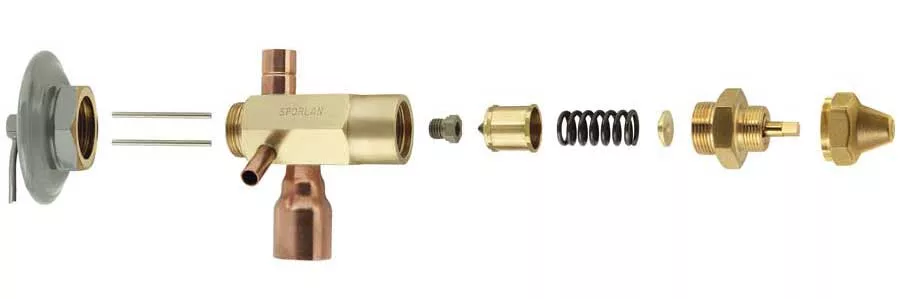
Are you wondering if your air conditioner really needs a TXV? You’re not alone.
Many homeowners ask this question when trying to understand how their cooling system works. The truth is, the TXV plays a crucial role in keeping your AC running smoothly and efficiently. But why exactly is it so important? And what happens if your system doesn’t have one?
Keep reading to discover how a TXV can impact your comfort, energy bills, and the lifespan of your air conditioner. By the end, you’ll know if a TXV is necessary for your home’s cooling needs.
Role Of Txv In Air Conditioners
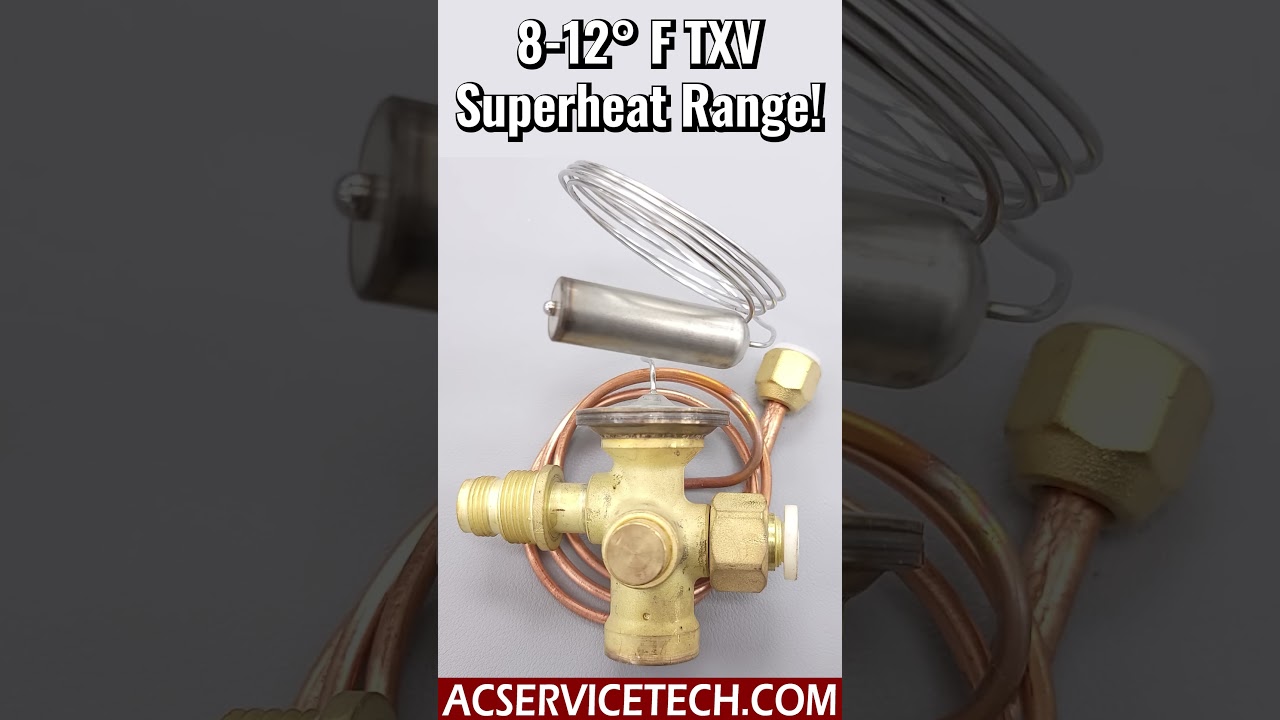
The TXVor Thermostatic Expansion Valve controls how much refrigerantenters the evaporator. It adjusts the flow based on the cooling load. This helps keep the system balanced and efficient.
By controlling refrigerant flow, the TXV improves cooling efficiency. It prevents too much or too little refrigerant from entering. This leads to better temperature control and less energy use.
| Feature | TXV | Fixed Orifice |
|---|---|---|
| Refrigerant Flow | Adjusts flow based on load | Fixed, no adjustment |
| Cooling Efficiency | Higher efficiency | Lower efficiency |
| Energy Use | Less energy used | More energy used |
| System Protection | Protects compressor | Less protection |
Credit: www.youtube.com
Signs Your Ac Needs A Txv
Symptoms of TXV Malfunctioninclude uneven cooling and frequent system cycling. The AC may blow warm air or freeze the evaporator coil. Strange noises near the TXV or increased energy bills also signal issues.
Effects on System Performanceinvolve reduced efficiency and discomfort. The compressor can overheat or fail early. Moisture may build up, causing corrosion and damage.
| Condition | Effect on AC | Action Needed |
|---|---|---|
| TXV leaks or clogs | Uneven cooling, high pressure | Replace TXV immediately |
| TXV stuck open | Low pressure, freezing coil | Repair or replace TXV |
| TXV stuck closed | Reduced cooling, compressor strain | Replace TXV |
Benefits Of Installing A Txv
TXV (Thermostatic Expansion Valve)helps save energy by controlling refrigerant flow precisely. It prevents waste and lowers electricity bills. This makes your air conditioner cost-efficientover time.
Temperature control improves with a TXV. It keeps the room cool without big swings in temperature. This means more comfort and less need to adjust the thermostat.
Air conditioners last longer with a TXV. It stops parts from working too hard. This reduces wear and tear. Your system stays healthy and needs fewer repairs.
Situations Where Txv May Not Be Necessary
Some air conditioner systems use alternative controlsthat work well without a TXV. For example, fixed orifice systems may not need one. These systems rely on other parts to control refrigerant flow.
Cost plays a role in deciding on a TXV. TXVs add expense to the system and installation. Systems with tight budgets might skip the TXV to save money.
| System Compatibility | Details |
|---|---|
| Simple Systems | May work well without a TXV if load is consistent. |
| Variable Load Systems | Usually need TXV for better efficiency and control. |
| Older Units | Often designed to run without TXVs. |
Installation And Maintenance Tips
Choosing the right TXV sizeensures the air conditioner works well. A TXV too big or small can cause problems like poor cooling or high energy use. Check the unit’s specs and match the TXV carefully.
Common issues include leaks, wrong placement, and blocked valves. Make sure the TXV is clean and installed where it can sense temperature well. Avoid tight bends in the refrigerant line to keep flow smooth.
- Check for dirt or debris around the TXV regularly.
- Look for signs of wear or leaks in pipes and joints.
- Test system pressure and temperature to catch early problems.
- Replace damaged parts quickly to prevent bigger damage.

Credit: www.achrnews.com

Credit: www.achrnews.com
Frequently Asked Questions
What Is A Txv In An Air Conditioner?
A TXV, or Thermostatic Expansion Valve, regulates refrigerant flow to the evaporator. It optimizes cooling efficiency and adjusts to varying load conditions. TXVs improve energy efficiency, ensuring the air conditioner operates effectively. They prevent coil freezing and enhance system reliability, making them essential for modern air conditioning systems.
How Does A Txv Improve Efficiency?
A TXV improves efficiency by adjusting refrigerant flow based on cooling demand. It ensures optimal heat exchange, preventing energy waste. By maintaining the correct refrigerant charge, it reduces energy consumption. This leads to lower utility bills and extends the lifespan of the air conditioning system, making it more cost-effective.
Is A Txv Necessary For All Air Conditioners?
A TXV is not mandatory for all air conditioners but highly recommended. It offers better efficiency, especially in variable climate conditions. Systems with TXVs adapt to changes in cooling demand more effectively. While some units use fixed orifice devices, TXVs provide superior performance and energy savings for most modern air conditioners.
Can I Replace A Txv Myself?
Replacing a TXV requires technical expertise and proper tools. It’s recommended to hire a professional HVAC technician for the job. Incorrect installation can lead to system inefficiencies and potential damage. Professionals ensure the valve is correctly calibrated and the refrigerant levels are optimal, ensuring the system functions effectively.
Conclusion
A TXV helps control the flow of refrigerant in an air conditioner. It keeps the system running smoothly and saves energy. Some units work fine without one, but many perform better with a TXV. Choosing the right parts matters for comfort and efficiency.
Think about your AC model and needs before deciding. A TXV can improve cooling and protect your system. Small parts, big difference.